Trump Administration Launches $5B AI Push for Science
The Genesis Mission aims to use artificial intelligence to accelerate federal research, but critics say it favors economic competitiveness over broader scientific goals.
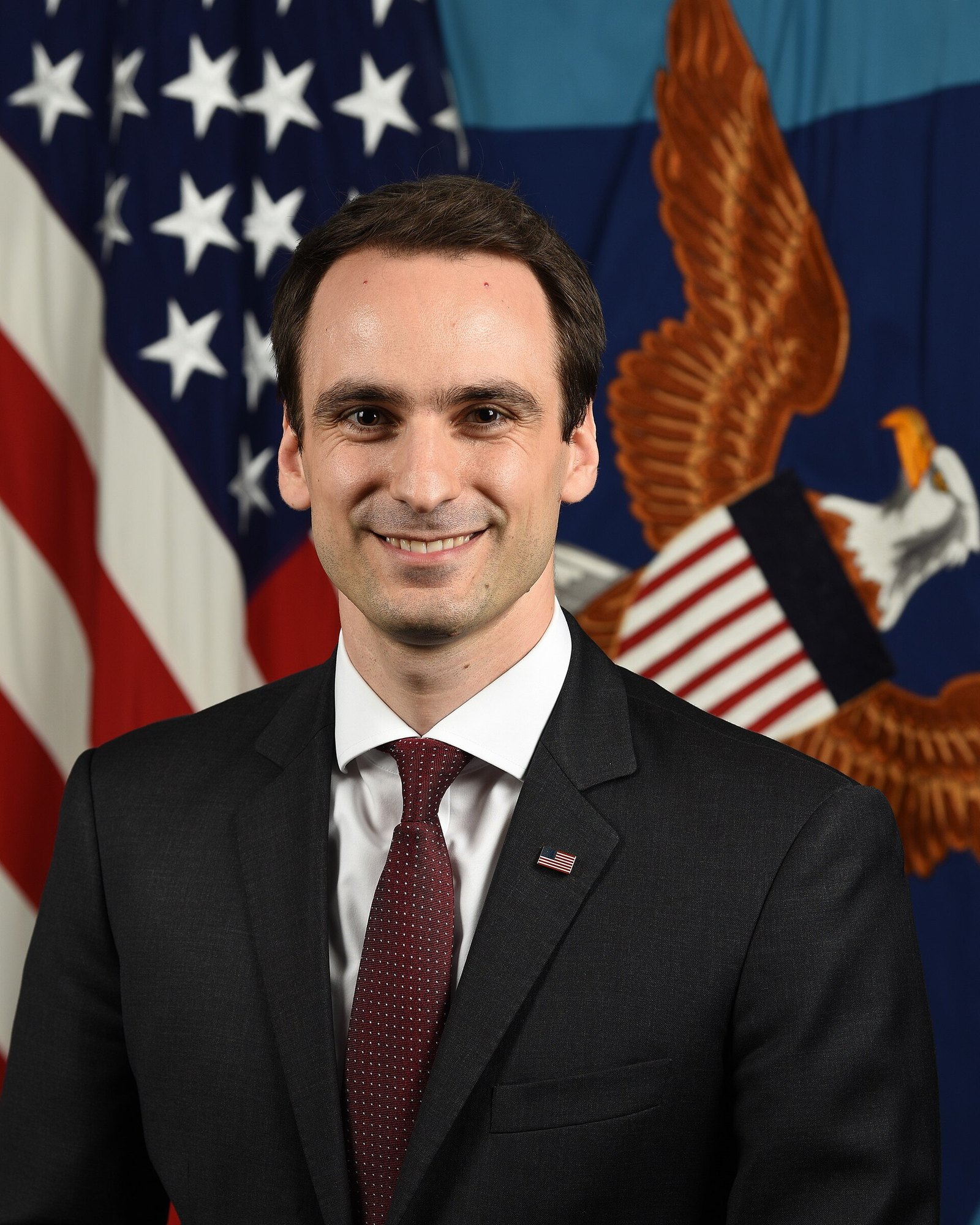
The Trump administration has unveiled a $5 billion initiative called the Genesis Mission, aimed at using artificial intelligence to transform federal scientific research, White House science and technology adviser Michael Kratsios told lawmakers at a Capitol Hill hearing.
"The Genesis Mission will be the central hub for the entire federal government to revolutionize the conduct of American science with AI," Kratsios said.
The program has already funded nearly 300 research projects spanning fields from biotechnology to nuclear energy, according to NPR. One recipient, Yale synthetic biologist Farren Isaacs, had a federal grant abruptly canceled in January as the administration terminated or froze thousands of grants it said did not align with its priorities. Isaacs said he saw the Genesis Mission as a new opportunity because his lab already develops AI algorithms for designing synthetic genomes, work that could aid new medicines, agriculture or industrial biotechnology.
Kratsios framed the initiative as a revival of the country's post-World War II "golden age of science," invoking Vannevar Bush, the adviser who urged President Franklin D. Roosevelt to expand federal investment in research. "Our moment calls for renewal of Bush's original intentions," Kratsios said, "to use the best tools, organizational theories and systems thinking at our disposal to ensure that taxpayer-supported science produces the largest returns possible for the benefit of all Americans."
But historians say the comparison is imperfect. Patrick McCray, a historian of science at the University of California, Santa Barbara, compared letters from Roosevelt's era with the current initiative's language and found a shift in emphasis. "There's not a whole lot about explicitly, we want to have war against disease, like FDR said — we want to increase life expectancy," McCray said. He noted the administration's "golden-age" report mentions artificial intelligence more than 100 times but never mentions climate change.
McCray said the research being funded is worthwhile but leaves out large areas of science, including much of the social sciences. He argued the effort is "fundamentally economic" and called it more a "golden age of profit" than of science. The White House Office of Science and Technology Policy did not respond to NPR's requests for comment.
This article was produced with the assistance of artificial intelligence (AI), in accordance with our editorial policy.