Merck, Moderna Say Cancer Vaccine Shows Promise Against Melanoma
An experimental mRNA-based vaccine combined with Merck's Keytruda appeared to delay melanoma recurrence in a late-stage trial, the companies say.
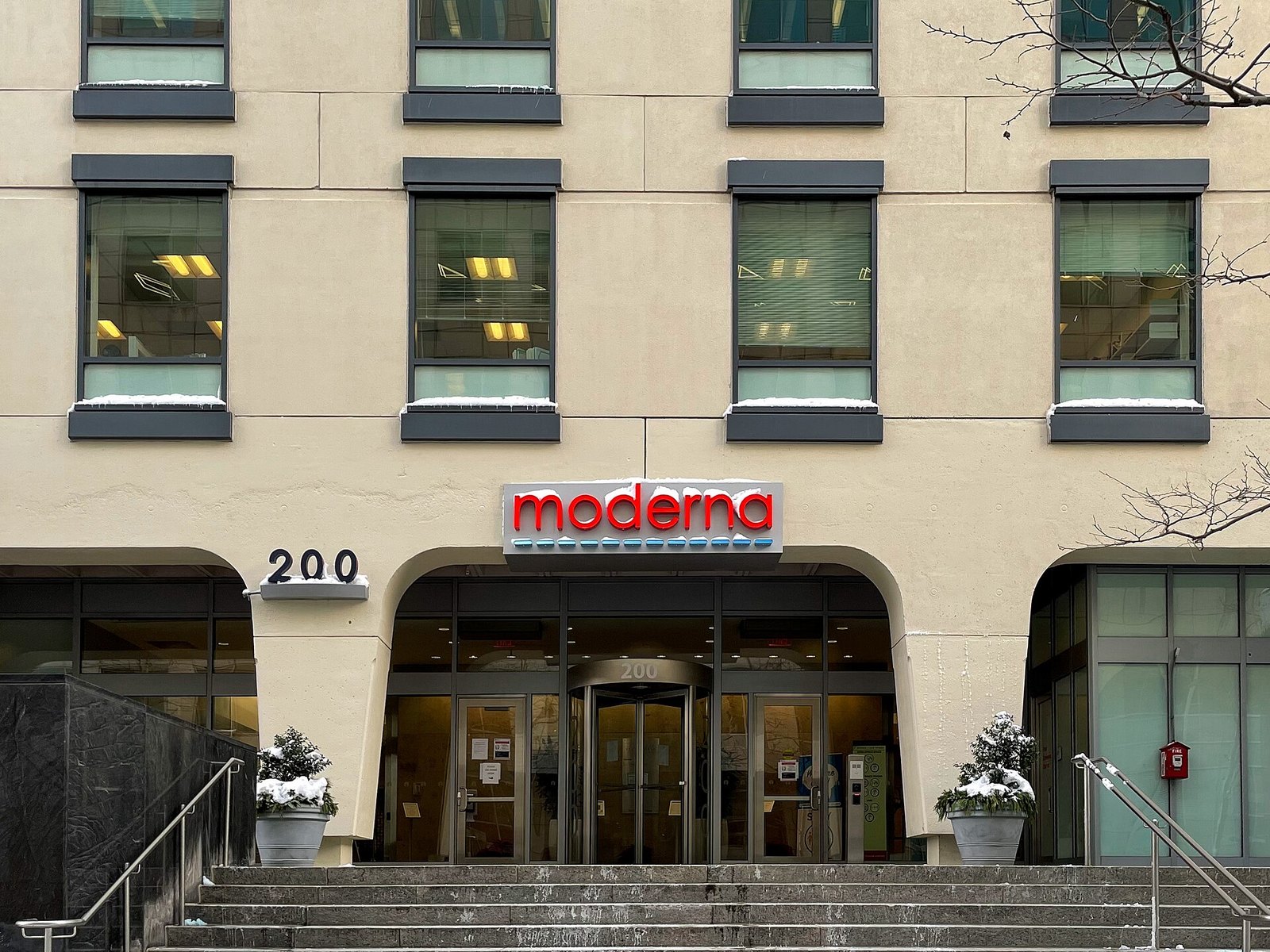
Moderna and Merck announced Wednesday that an experimental cancer vaccine has shown early signs of preventing the return or spread of melanoma, the deadliest form of skin cancer, in patients considered high risk.
The companies have not published the results in a peer-reviewed journal or released detailed data. Instead, they said the findings will be presented at an upcoming medical meeting and shared with regulators.
According to a news release, the personalized, mRNA-based vaccine, called Intismeran, was tested in a late-stage trial involving patients who had already undergone surgery to remove melanoma. The vaccine was used in combination with Keytruda, Merck's cancer immunotherapy drug.
Interim results from the trial showed the vaccine-drug combination appeared to extend the time before cancer returned in high-risk patients, the release said. The companies described the finding as the first breakthrough of its kind, and said the study would continue to track overall survival rates following treatment.
"These Phase 3 findings represent a pivotal moment for the field of cancer research," Moderna CEO Stéphane Bancel said in the release. "For many years, the idea of creating an mRNA treatment designed specifically for an individual patient's cancer was aspirational. We are now helping turn that vision into a reality."
The announcement sent Moderna shares soaring as much as 106% in premarket trading Wednesday. Merck shares rose 7%.
This article was produced with the assistance of artificial intelligence (AI), in accordance with our editorial policy.