NASA Rescue Mission for Sinking Swift Telescope Fails
A spacecraft designed to boost the Neil Gehrels Swift Observatory to a higher orbit suffered fatal attitude control failures, and the telescope is now expected to burn up in the atmosphere later this year.
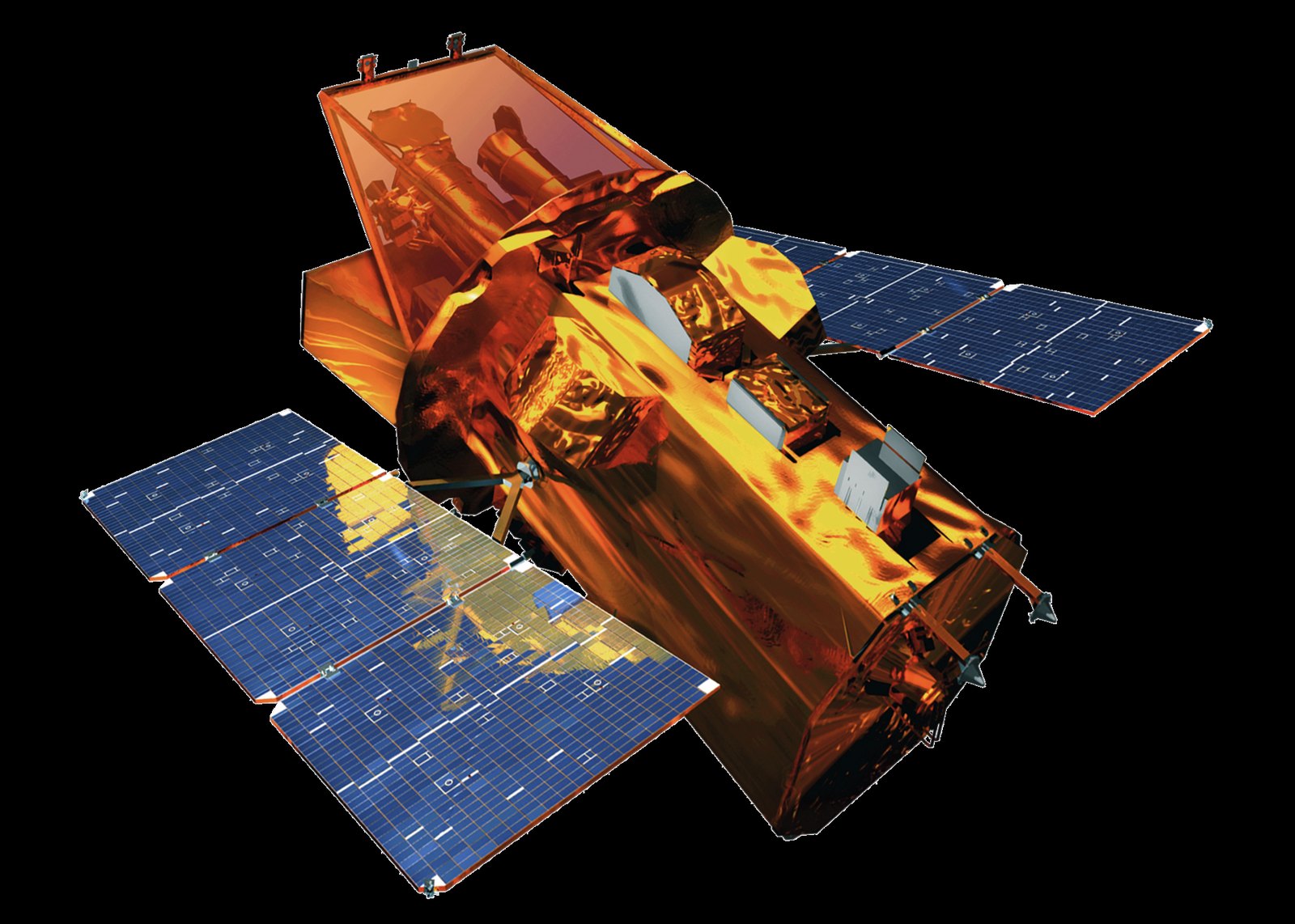
A first-of-its-kind mission to save a NASA space telescope from a fiery reentry has failed, the agency announced Wednesday.
The Neil Gehrels Swift Observatory, launched in 2004 to study gamma-ray bursts, has been rapidly losing altitude and is expected to break apart in Earth's atmosphere later this year. Last month, NASA launched a rescue mission using a spacecraft called LINK, built by Arizona-based Katalyst Space Technologies, to capture the observatory and raise its orbit over several months.
LINK launched July 3 on Northrop Grumman's Pegasus XL rocket, but problems began almost immediately. Less than two weeks into the flight, teams reported issues with the probe's orientation. Katalyst engineers said they had addressed early communications and attitude control problems, but software patches ultimately failed. By July 28, NASA said LINK's attitude control systems had malfunctioned, causing the spacecraft to spin at about 9 degrees per second with only sporadic communications.
Mission managers fired the spacecraft's thrusters this month to slow the spin, but the ongoing control issues forced NASA to abandon the boost attempt altogether.
"This is not the outcome we were working toward, but it does not change why this mission was worth attempting," NASA Administrator Jared Isaacman said in a statement.
While LINK will not boost the Swift observatory, NASA said Katalyst will still attempt to approach and rendezvous with it for technology demonstrations that could inform future missions.
Katalyst CEO Ghonhee Lee said the company had "already learned a tremendous amount" and would work to build "a repeatable playbook to inform future rendezvous and proximity operations and satellite servicing."
Swift's orbital decline began in 2024 during a period of intense solar activity, which heats Earth's atmosphere and increases drag on satellites in low orbit. NASA awarded Katalyst a $30 million contract in 2025 to build LINK and attempt the rescue.
Shawn Domagal-Goldman, director of NASA's astrophysics division, called the mission "a first-of-its kind attempt, developed on an unprecedented timeline driven by the Sun's activity." Isaacman said the effort would still provide valuable lessons for future satellite servicing operations as NASA and commercial companies expand activity in low Earth orbit.
This article was produced with the assistance of artificial intelligence (AI), in accordance with our editorial policy.