Heart Pump Kept Mother Alive Until Baby Could Be Born
Doctors used a device never before tried at this stage of pregnancy to save Cassandra King's heart and give her daughter a chance at life.
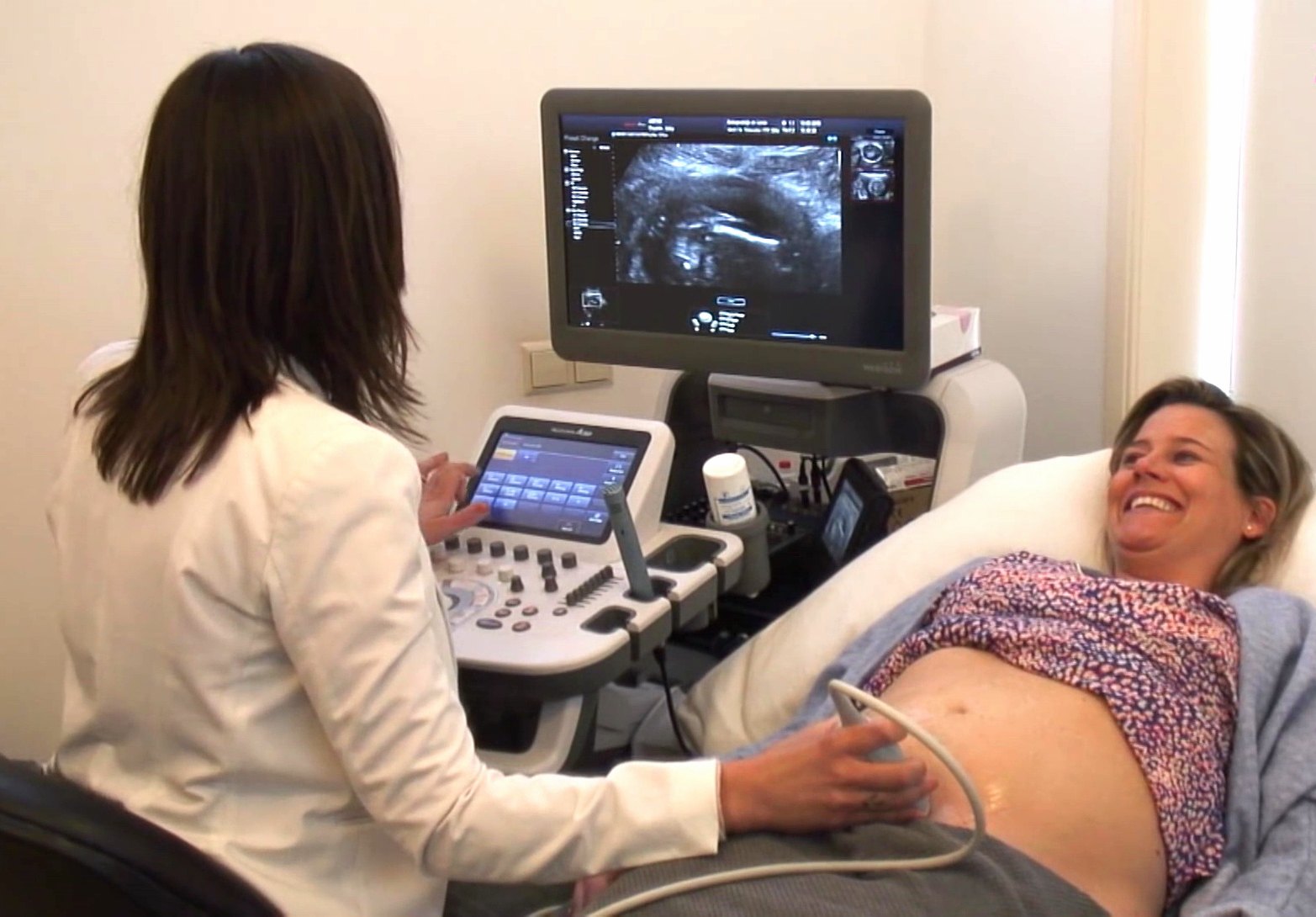
Cassandra King was 17 weeks pregnant during a babymoon in Jamaica when she suffered a spontaneous coronary artery dissection, a tear in an artery that caused her heart to begin failing. She was medically evacuated to Atrium Health Wake Forest Baptist Hospital in North Carolina, where doctors found her heart was pumping out only about 25% of its blood volume, far below the normal 55% to 60%.
Doctors recommended King terminate the pregnancy, but she refused. Her medical team, led in part by cardiothoracic surgeon Dr. Bartlomiej Imielski, decided to support her with medication for as long as possible and then use a heart pump called the Impella 5.5 to help her heart function while trying to get her pregnancy to at least 24 weeks, the general threshold for fetal viability outside the womb.
The device had only been used in pregnancy-related cases about half a dozen times before, and always in mothers who were near delivery or postpartum, according to Imielski. It had never been used to carry a patient from a non-viable stage of pregnancy to the point of a successful delivery.
"You had a mother's life on your shoulder, a baby's life on your shoulder, and you were doing something that you could very easily get criticized for, because there was no 'This is how we do it,'" Imielski said.
On New Year's Eve, King's condition worsened and she underwent surgery to receive the pump. Minutes into the procedure her blood pressure dropped and her baby showed signs of distress, forcing doctors to briefly place King on life support to complete the operation safely.
King spent 13 days in the ICU before doctors determined, at 27 and a half weeks, that her baby had a 95% chance of survival without deficits. She agreed to deliver. Her daughter, Persephone, was born weighing two pounds, four ounces but breathing on her own.
King's heart pump was removed three days later, and she left the hospital five days after that. Persephone spent three months in the NICU before going home in March. King has since had six stents implanted, completed cardiac rehabilitation and continues regular checkups. Persephone is now a healthy 1-year-old.
Imielski said the procedure is unlikely to become standard practice soon but that King's case "opens up a frontier for research and investigation."
This article was produced with the assistance of artificial intelligence (AI), in accordance with our editorial policy.