Alabama Midwife Drives Hundreds of Miles to Reach 'Maternity Deserts'
A new March of Dimes report finds one in three U.S. counties lack birthing facilities or obstetric clinicians, a gap midwives like Alabama's Nadia Gramby are trying to fill.
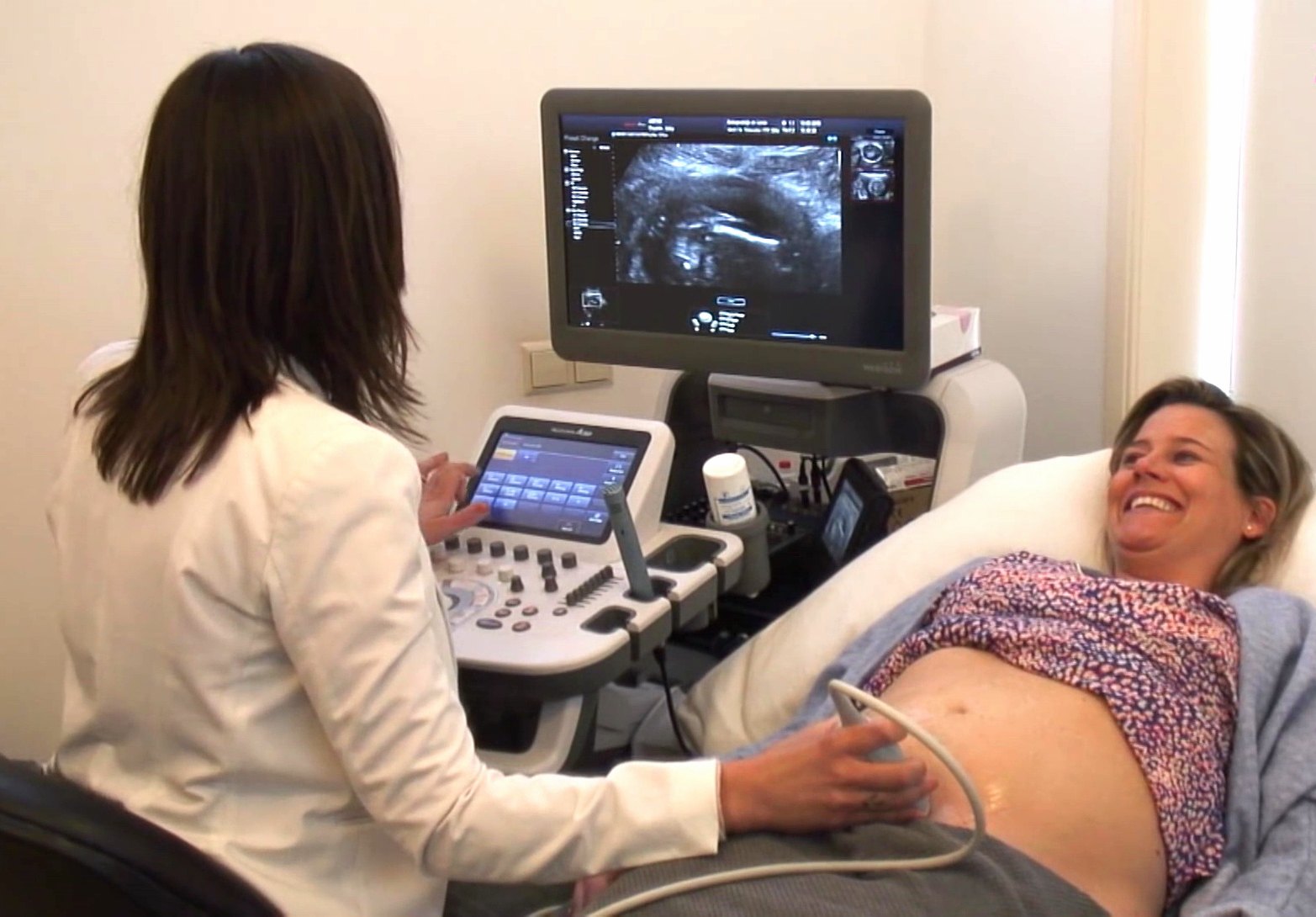
Nadia Gramby, a licensed and certified professional midwife in Chelsea, Alabama, often drives hundreds of miles in a single day to reach patients across the state — 302 miles in one recent stretch, covering prenatal appointments in Anniston, Montgomery, Helena and Alabaster.
Her work addresses a widening problem highlighted in the March of Dimes' latest "Nowhere to Go" report, released Tuesday. More than 52% of U.S. counties lack hospital-based labor and delivery services, and nearly 35% qualify as maternity care deserts, meaning they have no birthing facilities or obstetric clinicians at all.
"This goes beyond a mere inconvenience," said Dr. Michael Warren, chief medical and health officer for the March of Dimes. "We know that those women who live in maternity care deserts are more likely to have bad outcomes when it comes to their pregnancies."
According to the CDC, more than 20,000 babies die before their first birthday each year in the U.S., and about 600 women die annually from pregnancy-related complications. Maternal death rates are significantly higher among Indigenous and Black women than white women, according to March of Dimes and CDC data.
Gramby, 41, founded her practice, Crown of Glory Birth Services, in 2018 to help serve women in maternity deserts. She is one of only about 1,200 Black midwives in the U.S., according to the American Midwifery Certification Board. She says midwifery care emphasizes emotional and personal support alongside medical care, including postpartum home visits.
The March of Dimes report found maternity deserts exist in every region, with the South and Midwest hit hardest at 38.7% of counties, followed by the West at 26.4% and the Northeast at 5.1%. Those counties are home to 2.4 million women of reproductive age and 150,000 annual births, Warren said, and residents often travel three times longer for care.
The report cites the One Big Beautiful Bill Act's Medicaid cuts and expired Affordable Care Act tax credits as additional barriers, along with an obstetrics workforce shortage. More than 500 hospitals closed maternity wards between 2010 and 2022, according to a study in JAMA. Recent closures include Lincoln Hospital's labor and delivery unit in Damariscotta, Maine, and a postpartum unit at Washington, D.C.'s largest hospital.
This article was produced with the assistance of artificial intelligence (AI), in accordance with our editorial policy.