Norah O'Donnell on What Her Doctor Taught Her About Menopause
CBS anchor Norah O'Donnell talks with her physician, Dr. Rachel Rubin, about menopause symptoms, vaginal hormone therapy and her own use of testosterone.
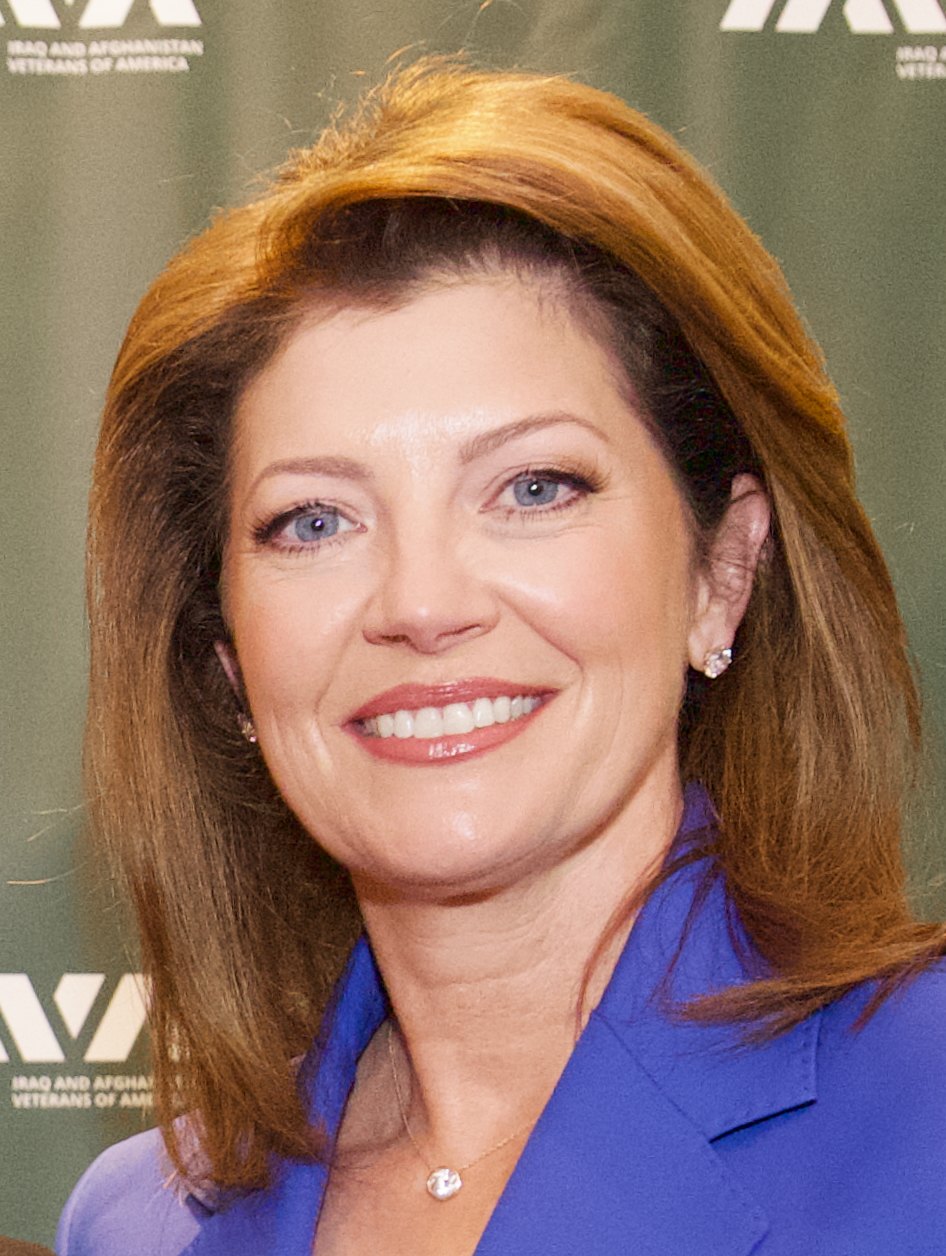
CBS News anchor Norah O'Donnell sat down with her own doctor, Rachel Rubin, for this week's "Healthful" segment to discuss menopause, why women may be needlessly suffering, and what can be done about it. O'Donnell also disclosed publicly for the first time that she uses testosterone, prescribed by Rubin, as part of her hormone regimen.
"Menopause is a castration event, whether we like it or not, whether it's natural or not," Rubin said. "Whether it's supposed to happen or not, we are outliving our ovaries."
Rubin explained that during menopause, the ovaries stop producing estrogen, progesterone and testosterone. "You're not making the hormones that you were during your reproductive years, and that has consequences because you have hormone receptors throughout your entire body," she said. Symptoms vary by individual but commonly include hot flashes, poor sleep, mood changes, weight gain and memory issues.
Rubin contrasted women's hormone decline with men's, using a gas tank analogy: "Women, their gas tank is zero. Men, they kind of live at like half a tank, and maybe if they get to a quarter of the tank, they can go to their doctor, they get some testosterone, and they go back to half to three-quarters tank and they feel great."
The conversation also covered urinary tract infections, which are common during and after menopause and can be dangerous if untreated. Rubin said she believes all menopausal women should be offered vaginal hormones, which can restore the urinary tract's microbiome and prevent UTIs. Fewer than one in 10 postmenopausal women currently use vaginal estrogen, despite support from the American Urological Association and frequent insurance coverage. Rubin estimated that wider use of vaginal estrogen could save Medicare between $6 billion and $22 billion a year in costs tied to urgent care visits, hospitalizations and ICU admissions.
Rubin also noted that women produce more testosterone than estrogen and that testosterone is needed to make estrogen in the ovaries. While there's global consensus that testosterone can help menopausal and perimenopausal women with low libido, there is no FDA-approved testosterone product for women, though it can be prescribed off-label. O'Donnell said she uses a testosterone product normally prescribed to men, administered in smaller doses, and has noticed its effects over time.
This article was produced with the assistance of artificial intelligence (AI), in accordance with our editorial policy.