Dermatologists Name the Best Spray Deodorants of 2026
A board-certified dermatologist shares her top picks for spray deodorants and antiperspirants, from sensitive-skin formulas to options for heavy sweating.
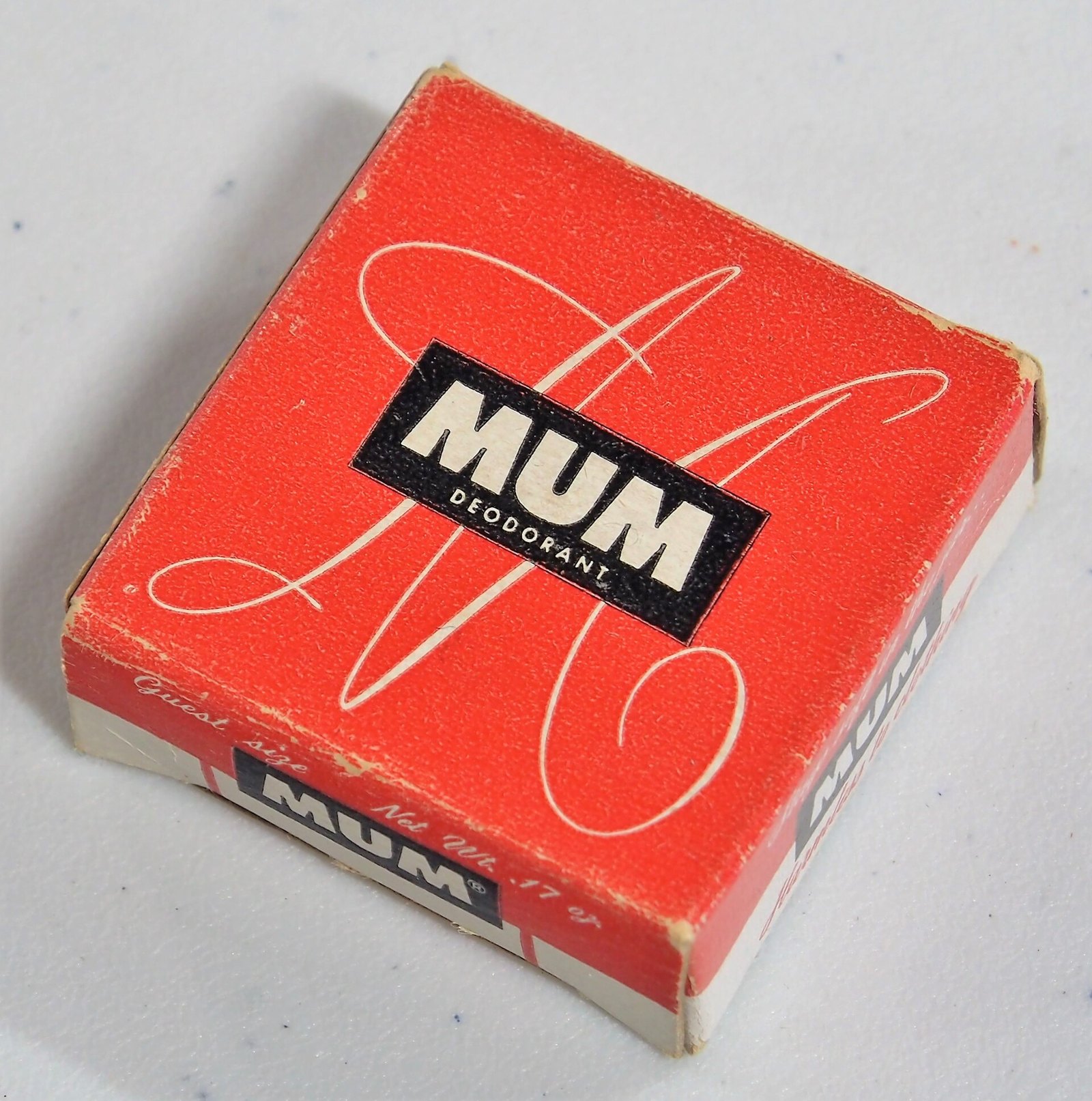
Stick deodorants remain a go-to for fighting odor, but spray formulas may offer an advantage for people with sensitive skin, since the gentle mist requires no friction during application.
Dr. Marisa Garshick, a board-certified dermatologist at MDCS Dermatology in New York City and an assistant clinical professor of dermatology, outlined how to choose between spray deodorants and antiperspirants and which formulas she recommends.
According to Garshick, the choice between a deodorant and an antiperspirant depends on individual needs. "For someone who is primarily concerned with odor, a deodorant may be sufficient, but for those experiencing excessive sweating, an antiperspirant is going to help reduce sweat," she said. Antiperspirants work by forming a plug in the sweat glands with aluminum compounds, reducing how much sweat reaches the skin's surface, while deodorants only mask odor without stopping sweat itself.
Recommendations include a spray offering up to 72 hours of sweat and odor protection through a micro-barrier over the skin; a Secret Clinical antiperspirant spray targeting sweat triggered by stress, heat and activity; an aluminum-free option with hydrating glycerin for sensitive skin providing up to 48 hours of protection; and a Native spray made without aluminum or parabens that includes niacinamide.
For heavy sweating, Garshick pointed to a Certain Dri spray formulated with clinical-strength aluminum salts that can help address hyperhidrosis, a condition involving constant excessive sweating. She also recommended a Lume whole-body spray containing aluminum salts, tapioca starch and mandelic acid designed for use across multiple areas of the body, not just the underarms.
Garshick advised that people with sensitive skin should generally avoid formulas with added fragrance and essential oils, common irritants, even though spray application itself tends to be gentler than roll-on or stick formats because it eliminates friction.
This article was produced with the assistance of artificial intelligence (AI), in accordance with our editorial policy.