Trump Calls Ballroom 'Military Complex' in Supreme Court Appeal
The administration is urging the justices to lift an injunction halting construction of the White House ballroom, arguing the project is a national security necessity.
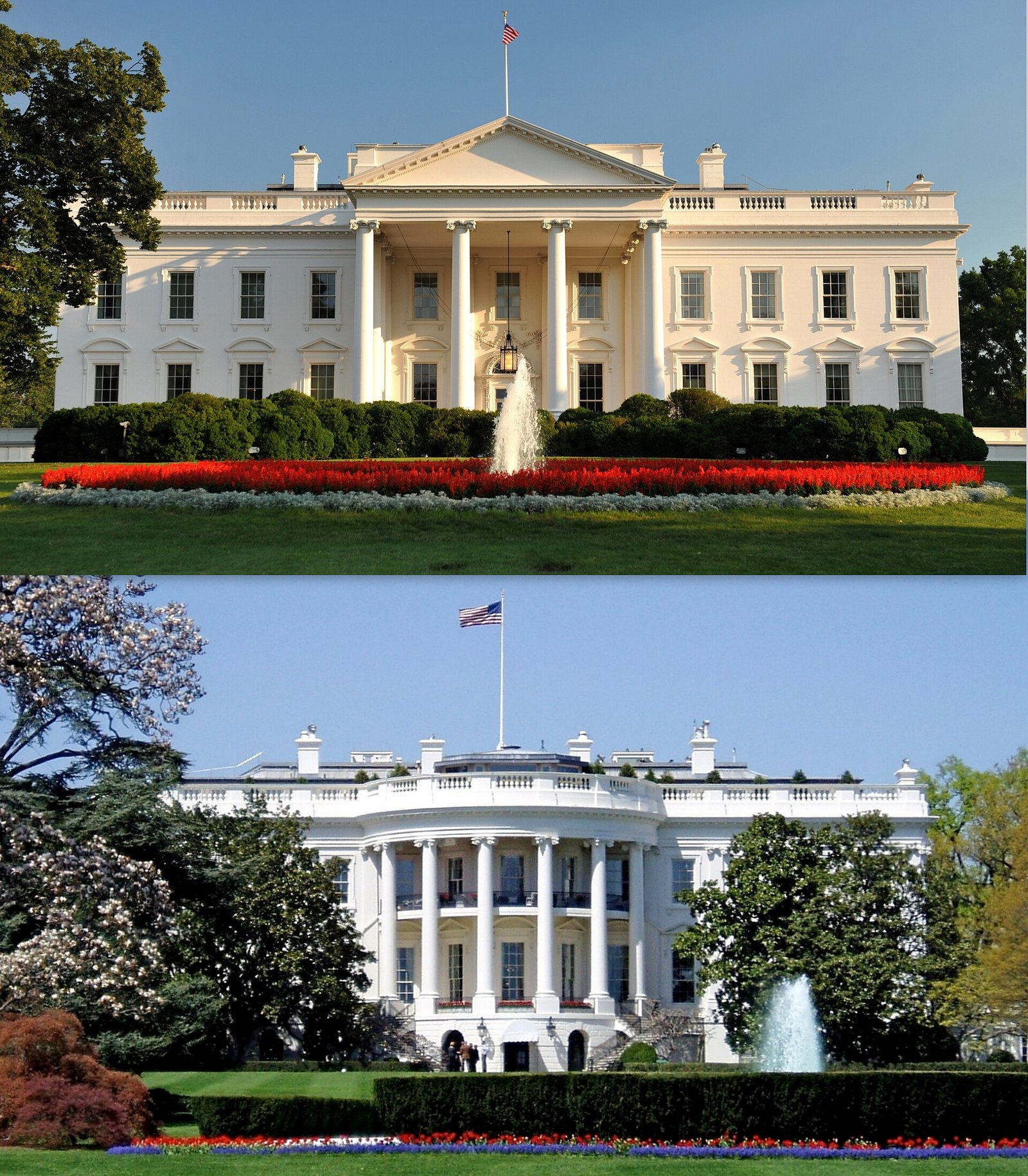
The Trump administration made an urgent appeal to the Supreme Court on Wednesday to stay a lower court order halting most above-ground construction of a new White House ballroom, three days before the order is set to take effect.
Solicitor General John Sauer told the court that "every day the President does not have access to the vital security features of the military complex presents unacceptable risk, no matter how long the Project takes to complete." The government has previously said the concrete-and-steel structure is "beyond the point of no return" and argued its completion is "required by national security," adding that judges lack authority to second-guess that determination.
The National Trust for Historic Preservation, which brought the case, called the administration's rhetoric "hyperbolic bluster" and said Trump is racing to finish the project "to try to outrun judicial review" after unilaterally overriding Congress. The Trust said the injunction does not stop work on a security bunker or safety measures — only construction of a ballroom without prior congressional approval.
Federal law gives Congress control over federal property, including the White House grounds, while also allowing presidents to handle "care, maintenance, repair, alteration, refurbishment, and improvement" of the Executive Residence. Trump initiated demolition of the East Wing in late 2025 to make way for a 90,000-square-foot ballroom.
The administration also argues the Trust lacks standing to challenge the project, with Sauer warning that allowing such challenges would let "a tourist in Alaska" or "a virtual sightseer watching a video tour online" claim a veto over any government building's appearance.
Last week, the government said the project is 65% complete, with a 250-person crew working 20 hours a day, seven days a week. A federal appeals court upheld the injunction in a 2-1 decision. The justices are expected to rule on the stay request by the end of the week, when the injunction is set to take effect, though they could issue an administrative order to buy more time.
This article was produced with the assistance of artificial intelligence (AI), in accordance with our editorial policy.