Prosecutors Cite Comey's Own Novel in Threat Case Against Him
Federal prosecutors say James Comey's crime novel about a media figure who incites followers to kill his enemies undercuts his defense in the seashells case.
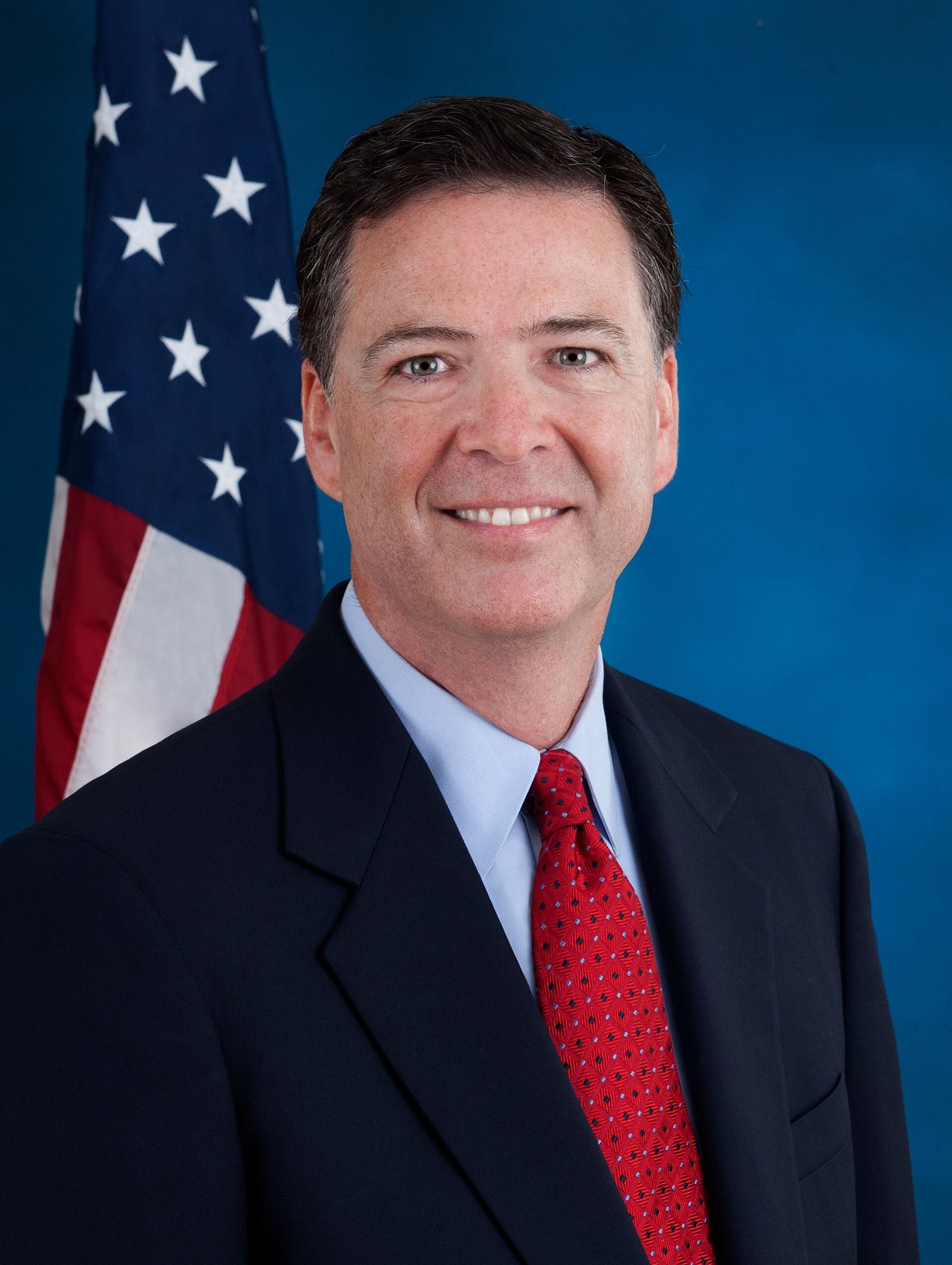
Federal prosecutors are using former FBI Director James Comey's own crime novel against him in the criminal case accusing him of threatening President Donald Trump, according to court filings made Tuesday in North Carolina.
Comey was indicted this year on two felony counts alleging he "knowingly and willingly" threatened Trump's life by posting a photo of seashells arranged to read "8647" on Instagram, with the caption "Cool shell formation on my beach walk." He has pleaded not guilty.
Prosecutors argue the post was a coded call to "kill" or "get rid of" Trump, the 47th president, and that Comey's novel "FDR Drive," published days after the post, bolsters that reading. The book centers on a prosecutor pursuing a "far-right wing media personality" whose enemies are killed after he singles them out by name and suggests "something should be done" about them.
"Comey published a novel where the antagonist successfully persuades his followers to kill his political rivals by communicating coded messages online," prosecutors wrote, adding that Comey cannot point to a comparable case involving a threat against a sitting president.
The filing also revealed that Comey's wife sent him a screenshot two minutes before the post defining "86" as slang for "to get rid of or refuse service." Comey has said he later deleted the post after learning the term could be read as meaning "kill." Prosecutors cited a slang dictionary that lists "kill" among the term's definitions, though major dictionaries like Merriam-Webster do not.
The filings also disclosed that Comey and his publishing agent exchanged texts after the post went viral, with the agent calling it "music to an agent's ears" for book sales.
Prosecutors separately rejected Comey's claim that the case is a vindictive prosecution ordered by Trump. They said U.S. Attorney W. Ellis Boyle made the charging decision alone, without pressure from anyone, and that then-acting Attorney General Todd Blanche was not told of the charges until the day before they were presented to a grand jury. Even if Trump had directed the prosecution, they argued, that would not be improper under the Constitution.
NBC News has reached out to Comey's legal team for comment.
This article was produced with the assistance of artificial intelligence (AI), in accordance with our editorial policy.