A Herbicide, Parkinson's and a New York Farm Town
Residents of Hebron, New York, count more than a dozen Parkinson's cases along a seven-mile stretch of highway and blame decades of paraquat spraying, a link the chemical's maker rejects.
Gordon Chaplin, 81, has owned a 200-acre cattle and corn farm in Hebron, New York, for more than 40 years. Nearly a decade ago, he began noticing symptoms he could not explain: his once-pristine handwriting became unreadable, his face settled into a permanent look of worry, and he acted out his dreams in his sleep. After years of inconclusive tests, doctors diagnosed Parkinson's disease, an incurable degenerative brain disorder. He had no family history and no known genetic predisposition.
"Things just don't work as well as they used to. In fact, sometimes they don't work at all," Chaplin said, leaning on a cane on the hill behind his farmhouse. "There's nothing worse than having your whole life ... falling apart."
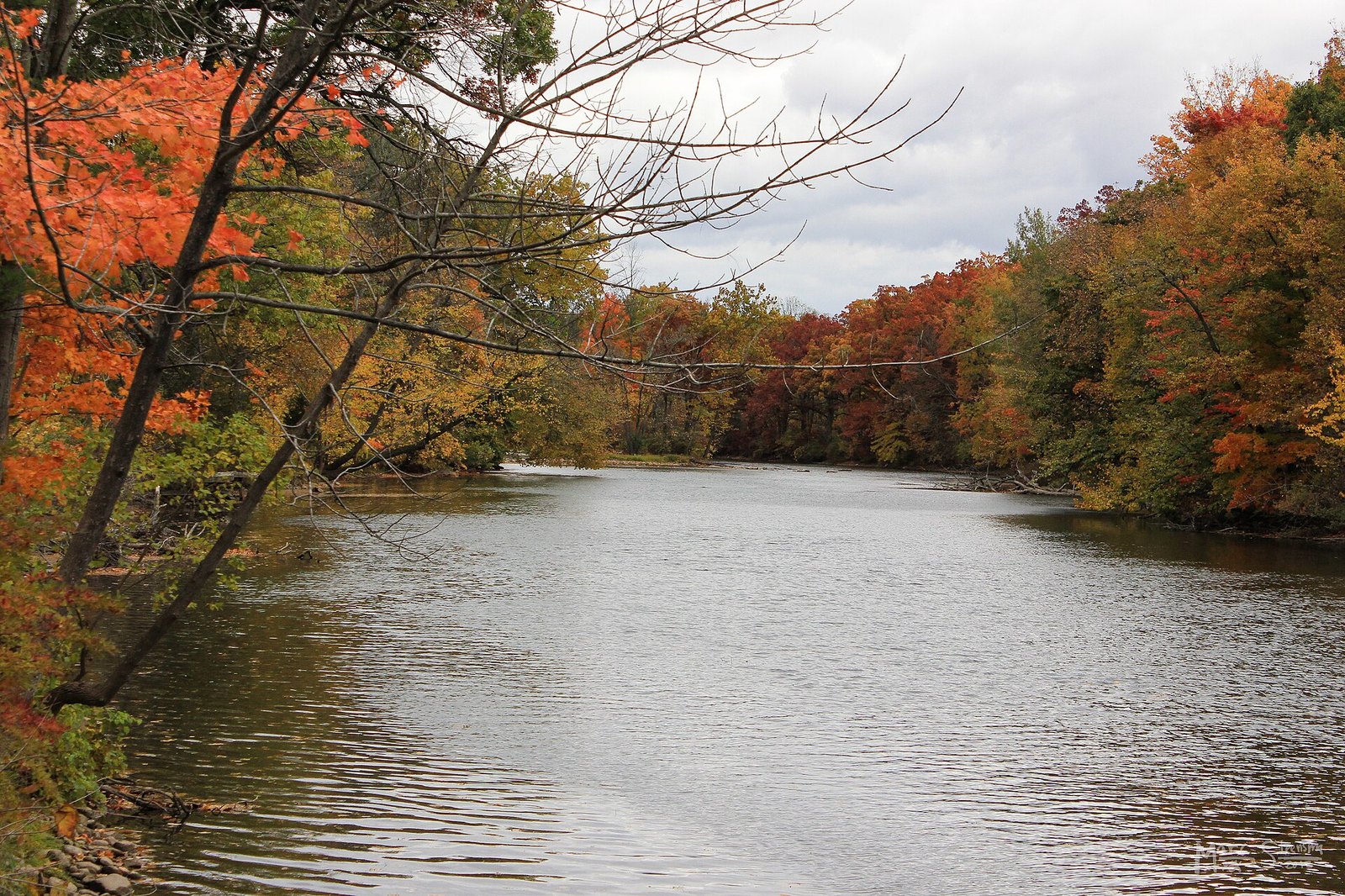
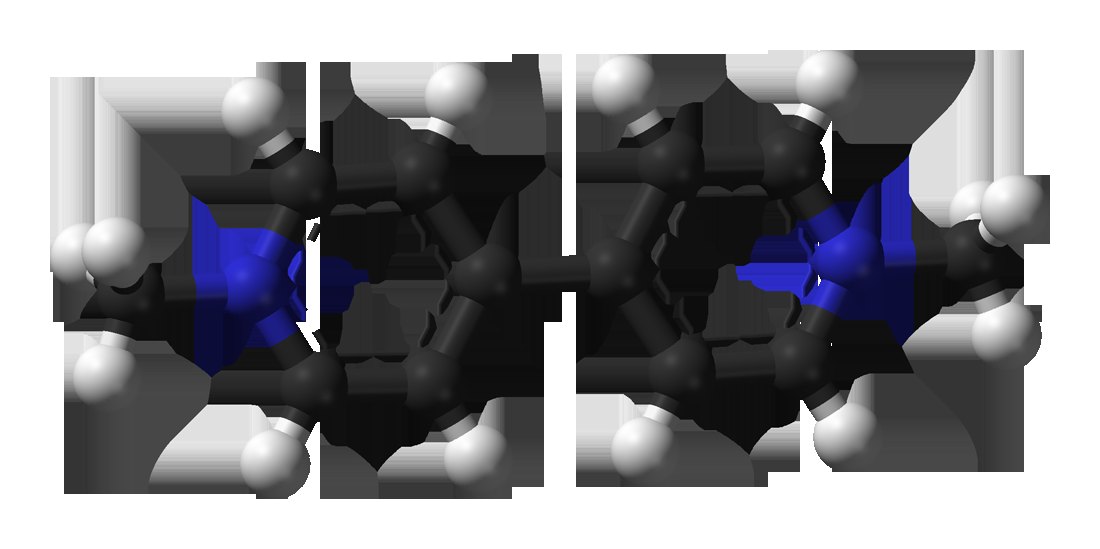
Chaplin and his wife, Sarah Teale, believe the cause lies in the land itself. For decades, a tenant farmer sprayed the property with paraquat, a herbicide used to kill broadleaf weeds and grasses. After the diagnosis, Teale found that 14 other people near their home had Parkinson's. She calls the seven-mile stretch of highway between east and west Hebron "Parkinson's Valley," and says she found dozens more cases in nearby towns. Hebron, in Washington County, has about 1,800 residents.
Studies dating to the late 1990s have linked paraquat exposure to Parkinson's. A 2002 study found mice injected with the chemical lost dopamine neurons; a 2011 study found farmers who sprayed it were 2.5 times as likely to develop the disease; and a 2024 study found people living or working near sprayed areas had double the risk. The evidence is "one of the strongest databases out there linking a chemical exposure to a disease," said Deborah Cory-Slechta, a University of Rochester neurotoxicologist.
Paraquat has been banned in more than 70 countries, including China, Brazil and the European Union, but not in the United States. National use doubled between 2014 and 2018 to at least 11 million pounds a year, according to U.S. Geological Survey data. The Environmental Protection Agency warns that "one small accidental sip can be fatal" and requires special training for applicators, but has stopped short of linking exposure to Parkinson's. Last November it said it would require manufacturers to study how far paraquat vapors travel, after Syngenta submitted data suggesting they may drift miles farther than thought.
Syngenta stands by the product. "While Syngenta has great sympathy for those suffering from Parkinson's, we reject the claim that our product is the cause," spokesperson Dimitri Houtart said in a statement to New York Focus, citing a 2013 company study and research by California and Australian authorities that found no causal link. The Guardian said Syngenta did not respond to its request for comment.
Fourteen states introduced bills this year to restrict or ban paraquat. Only Vermont passed one. A New York bill died on the floor amid a prolonged budget standoff. "More people will suffer between now and when this bill becomes law," said Assembly member Linda Rosenthal, the sponsor.
This article was produced with the assistance of artificial intelligence (AI), in accordance with our editorial policy.