Empty Pews on Maryland's Eastern Shore as Haitians Lose TPS
Attendance at a Salisbury church that anchors the region's Haitian community fell by more than half on Sunday, its pastor said, as families stayed home fearing arrest after Temporary Protected Status ended.
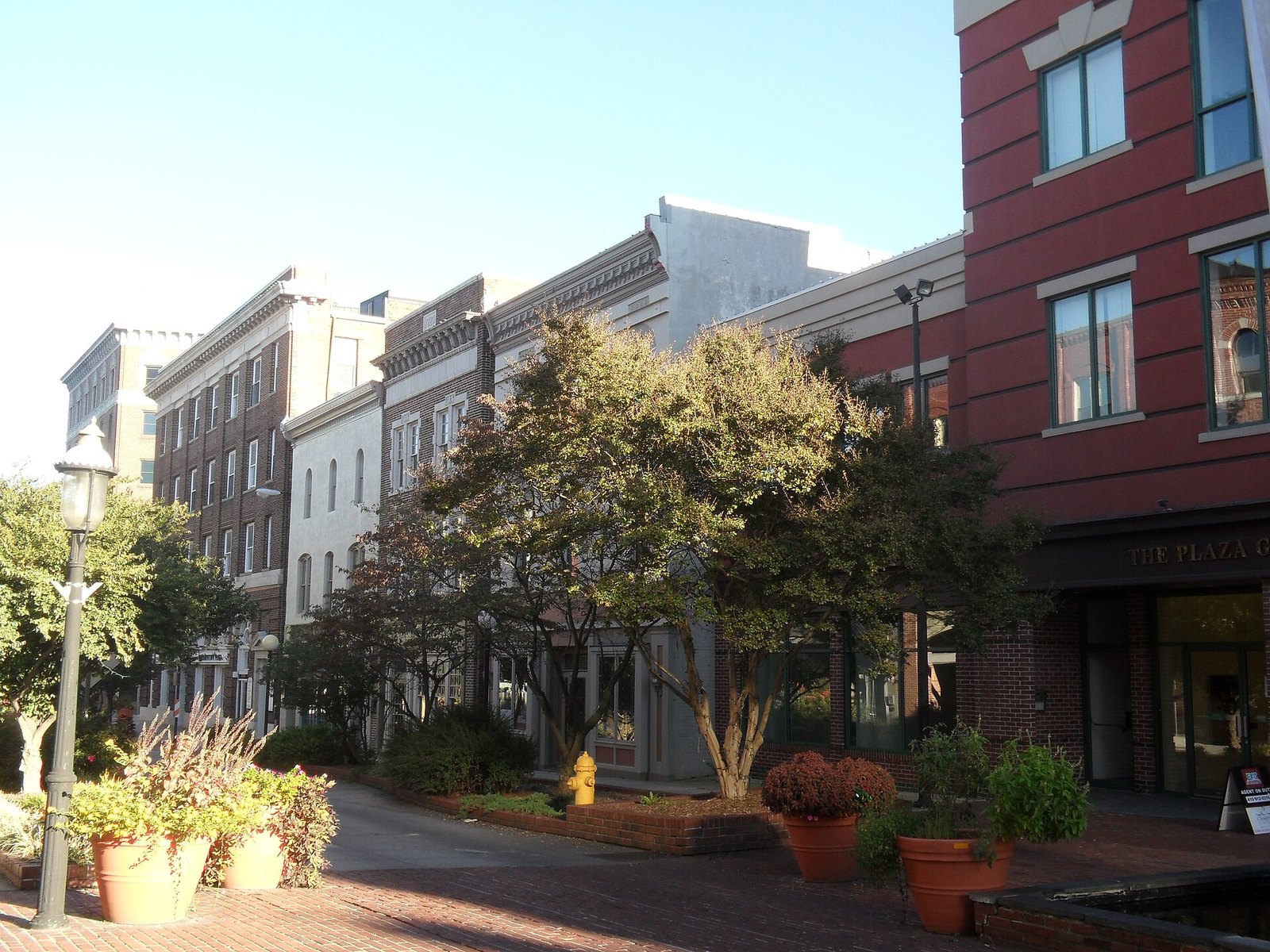
SALISBURY, Md. — More than 500 people would normally have filled the Word of Life Center for Sunday's service. Instead, attendance dropped by more than half, senior pastor Roosevelt Toussaint said, as members of the Haitian community stayed behind closed doors.
A bridal shower, a yard-sale barbecue and English-language classes were all canceled at the nondenominational church, long a hub of Haitian life on Maryland's Eastern Shore. Toussaint, pastor since 1995, titled his sermon "What to do in a time of crisis."
The emptiness followed the Trump administration's move to end Temporary Protected Status for more than 1 million people from numerous countries, including roughly 350,000 Haitians who had been living and working legally in the United States for years. On June 25, the Supreme Court sided with the government, allowing the program to end. Work permits were not extended on July 27.
About 10% of Salisbury's 33,000 residents are Haitian, many employed under TPS as farmworkers, caregivers and in the poultry plants that anchor the regional economy.
"We're expecting you to have compassion for our people. They haven't done anything wrong," Toussaint said, addressing President Donald Trump. "All they came to this country to do is to work. ... There's no security at home. If you really send us over there, you send us to die."
At the service, delivered in Haitian Creole, he told congregants: "I'm praying this afternoon that God can make you invisible to the enemy."
Advocates say ICE is calling Haitians into its offices, fitting ankle monitors and instructing them not to travel more than 75 miles from home. "Instead of them heavily descending on communities, they are using tactics to bring those people into their offices," said Guerline Jozef of the Haitian Bridge Alliance, adding that some are told to self-deport or report back within a month.
Marie D. Fouché, founder of Safe Harbor Circles, said her group recorded more than a dozen arrests of immigrants in recent days, including some with TPS, some in store parking lots.
The Department of Homeland Security said it "does not discuss ongoing or future operations" and that TPS "is exactly that — temporary," calling it a de facto amnesty Congress never intended to be permanent.
Haitians first received TPS after the 2010 earthquake. The administration says conditions have improved; nearly 1.5 million people in Haiti have been displaced by gang violence.
This article was produced with the assistance of artificial intelligence (AI), in accordance with our editorial policy.