Don Lemon Asks Judge to Dismiss Civil Rights Charges, Calling Case 'Vindictive'
In a Friday filing, the journalist's lawyers tie his federal prosecution over a Minnesota church protest to what they call a broader assault on the free press.
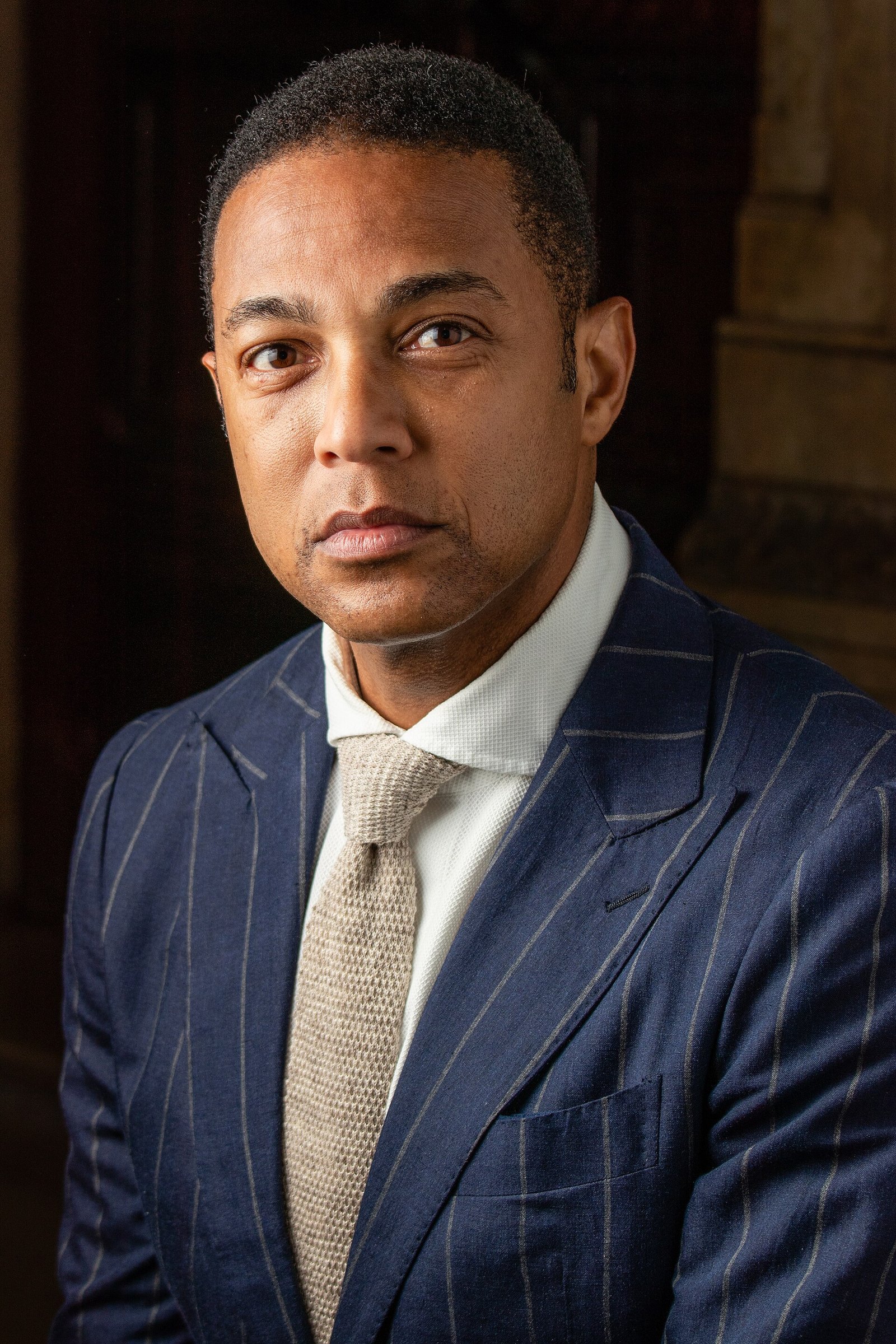
Journalist Don Lemon has asked a federal judge to throw out the criminal case against him, arguing in a filing Friday that the prosecution is vindictive and part of what his lawyers call a "broader assault on the free press."
Lemon was charged by the Justice Department after allegedly entering a church in St. Paul, Minnesota, with a group of anti-ICE activists who disrupted services in January. He faces two counts of federal civil rights violations, including conspiracy against the rights of religious freedom, and has pleaded not guilty.
Lemon maintains he was present in his capacity as a journalist. Officials say he and other protesters occupied the church and that Lemon "physically obstructed" parishioners as they tried to leave.
The church service came amid an immigration crackdown in Minnesota and the killing of Renee Good by a federal agent.
His lawyers argue that statements by President Trump and by current and former Justice Department officials show the case is a "vindictive prosecution."
"Against this background of literally years of the President's direct attacks, Mr. Lemon landed in President Trump's crosshairs again for reporting on a story that the administration wanted to go away: the immigration surge in Minnesota," the filing says. "At the same time, senior Justice Department officials expressed direct hostility to Mr. Lemon's status as a journalist."
The filing cites comments by former Attorney General Pam Bondi, then-Deputy Attorney General Todd Blanche and Assistant Attorney General Harmeet Dhillon of the department's Civil Rights Division.
"The vindictive motivations of this prosecution were perfectly summed up by Dhillon's vow to 'pursue this to the ends of the earth' and the completely unprecedented nature of the Attorney General — fighting to maintain her job — flying out to a district to personally manage a prosecution," the filing says.
The lawyers also say the Justice Department used "extraordinary channels" to pursue the charges and ignored their offer of a self-surrender. Instead, they say, agents were deputized to arrest Lemon at midnight at his Los Angeles hotel, where he was covering the music industry's annual awards show. The filing notes that the department had condemned the prior administration for the same practice against abortion facility protesters charged under the same statute.
During the post-arrest investigation, the government sought warrants for Lemon's YouTube subscribers, which a federal judge rejected. His attorneys say prosecutors "circumvented" normal search warrant procedure by issuing an administrative warrant after a magistrate judge rejected a search warrant for his devices.
This article was produced with the assistance of artificial intelligence (AI), in accordance with our editorial policy.