How to Tell if an N95 Mask Is Actually NIOSH-Approved
Medical experts say the markings, the two head straps and a tight seal matter more than the shape of the respirator you choose.
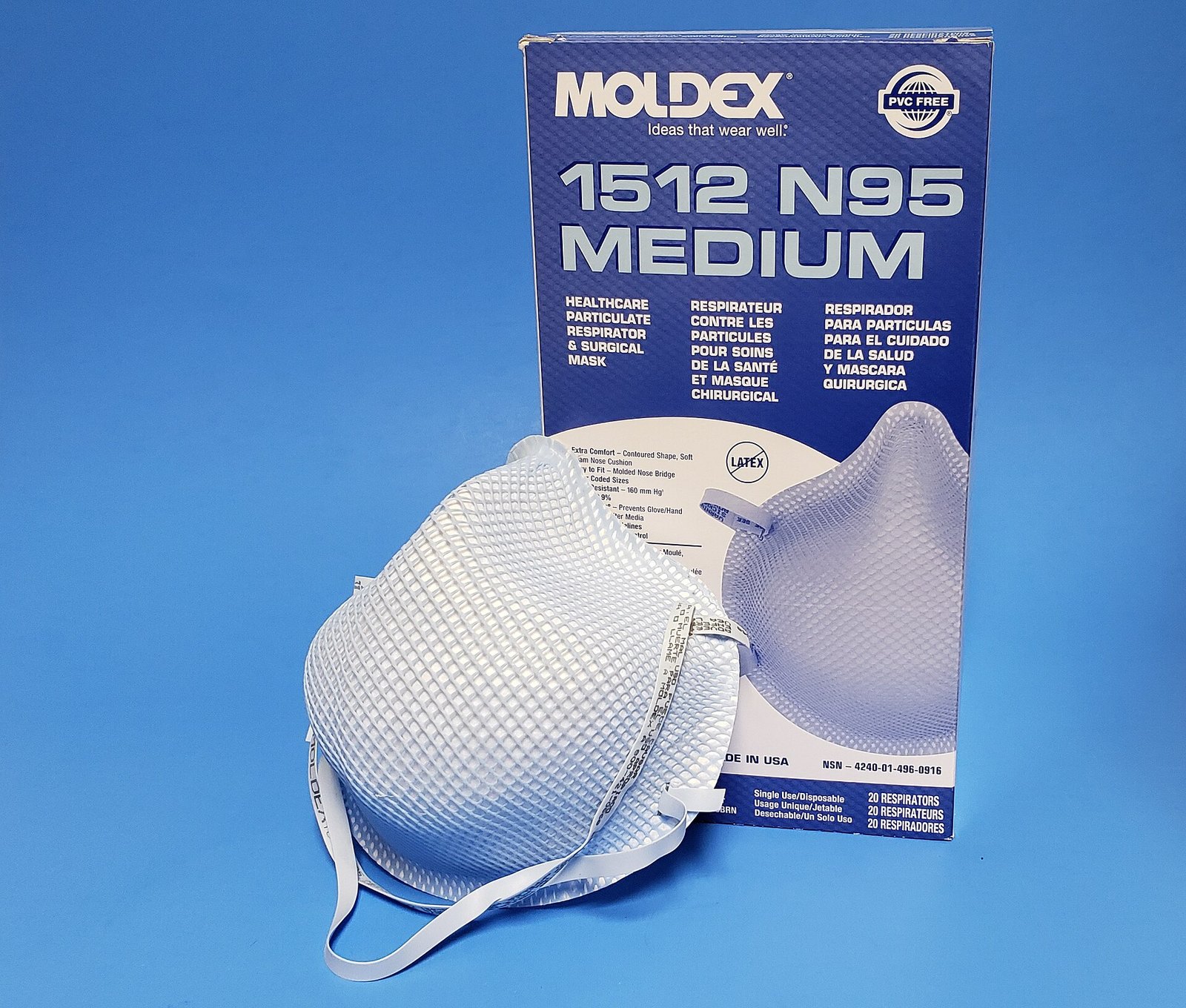
N95 respirators are the most protective face coverings available to the general public, according to the Centers for Disease Control and Prevention, and the only reliable way to know one will perform as promised is to buy a model listed as approved by the National Institute for Occupational Safety and Health.
N95s are designed to filter at least 95% of small and large airborne particles, including particles as small as 0.3 microns, and to fit tightly against the face to reduce gaps at the sides, chin and nose. Because they are regulated in the United States by NIOSH, they are easier to shop for than comparable international respirators such as KN95s and KF94s.
"When NIOSH gives an N95 its stamp of approval, it means the respirator has met very specific requirements for testing," said Dr. Stella Hines, an associate professor in the Division of Pulmonary and Critical Care Medicine at the University of Maryland School of Medicine. "It's a quality assurance indicator that the respirator will perform as expected."
Approved masks carry specific markings, including identifying information that can be verified against NIOSH's Certified Equipment List, filter designations and model numbers. Experts say a respirator should have two straps that go around the head and an adjustable wire nose bridge. Masks with exhaust ports should be avoided entirely, said Dr. David Rempel, a professor in the Department of Medicine at the University of California, San Francisco.
Shape is a matter of comfort. N95s come in cup, flat fold and duckbill designs, and experts say none is better than the others. The CDC advises that respirators labeled "surgical" or "medical" be prioritized for health care workers; a standard N95 is sufficient for the public.
Fit determines protection. Hines said the respirator delivers its rated performance "only if there's a good seal to the face." Rempel suggested a simple at-home leak test: put the mask on and breathe out. Air felt under the chin or around the eyes means it is too loose. Fogged glasses are another sign of leakage, Hines said. Mask fitters or braces can help, particularly for people with facial hair.
There is no nationwide mask mandate in the United States. Dr. Carl Fichtenbaum, a professor of clinical medicine, recommends masking in crowded indoor spaces where you spend more than 15 to 20 minutes, such as concerts, grocery stores, classrooms, offices, airports and train stations. Masks can reduce transmission of the flu, RSV and the common cold, not only Covid-19.
This article was produced with the assistance of artificial intelligence (AI), in accordance with our editorial policy.