Bed Bugs Hitchhike Home. Here's How to Spot Them Early.
Pest control professionals say clusters of bites, rusty stains along mattress seams and a musty odor are the earliest signs — and that heat treatment by a professional is the only reliable cure.
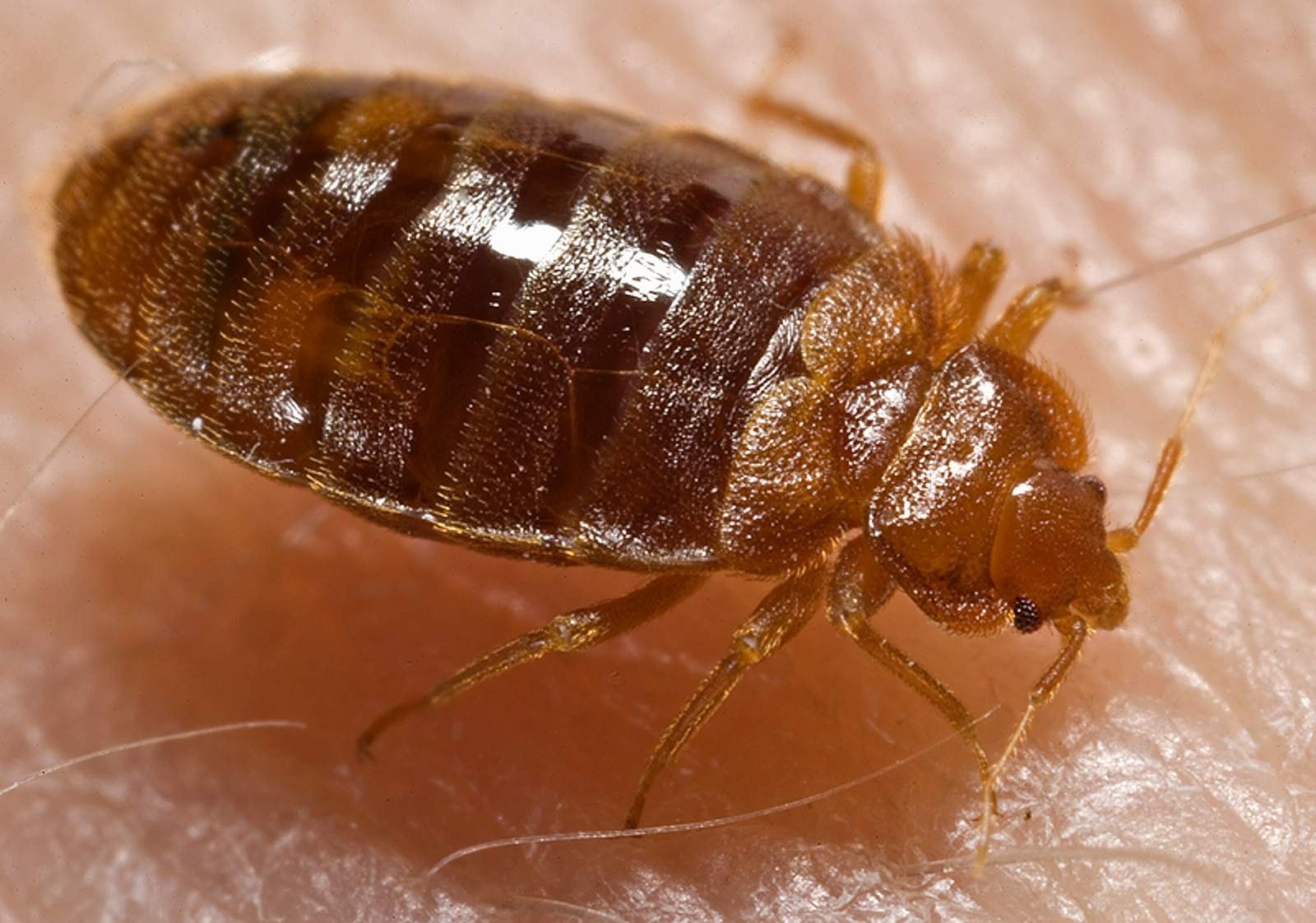
Bed bugs rarely announce themselves. By the time most people notice, the insects have already settled into mattress seams, furniture joints and headboards, according to pest control professionals interviewed by NBC Select.
The insects are parasitic and feed on blood, the Centers for Disease Control says. They usually measure between 1 and 7 millimeters and can survive several months without a meal. Some people react to bites with itchy red bumps; others show no reaction at all.
How they get in. "Hotels and airports together with rideshares represent the primary sources of bed bug infestations," said Juan Rezk, chief marketing officer at Certus Pest in Tampa, Florida. "However, bed bugs can also use used furniture as transportation and can infest multi-unit buildings."
Because they are so small, homeowners often do not realize they have picked any up. "They crawl into bags and seams and ride home with you," said Nicole Carpenter, a pest control professional and president of Black Pest Prevention in Charlotte, North Carolina. "That's why even the cleanest house can get them."
The signs. Bites tend to appear in lines or clusters, Rezk said. Carpenter advises inspecting mattress seams and corners and the space behind the headboard: "You'll see little rusty spots, shed skins, or even live ones if it's bad." A musty, slightly sweet odor in the sleeping area and small black dots — excrement — on sheets are other indicators.
What to do. Do not start hauling furniture around, Rezk said; that can spread the infestation. Instead, strip the bedding into a sealed plastic trash bag until it can be washed in hot water, then vacuum the mattress and any upholstered furniture thoroughly.
After that, both experts said, call a professional. "Bed bugs display a strong resistance to homemade removal techniques so any missed eggs will restart the infestation process," Rezk said.
"The only real way to wipe them out is heat, and pros do that with big heaters that crank the whole room up past 120 degrees Fahrenheit," Carpenter said.
For prevention, Rezk recommends checking hotel bed frames and mattresses before setting bags down, and inspecting any second-hand furniture before bringing it inside. Zippered, impermeable mattress and pillow encasements and interceptor cups placed under bed legs can also keep the insects from establishing themselves. Experts say throwing out all of your belongings, as some horror stories suggest, is not necessary if the proper steps are taken.
This article was produced with the assistance of artificial intelligence (AI), in accordance with our editorial policy.