Dermatologists: No Need to Swap Shampoo During Pregnancy
Doctors say there is no firm evidence that common over-the-counter shampoo ingredients harm a baby, though pregnancy can bring new scalp problems that call for a medicated formula.
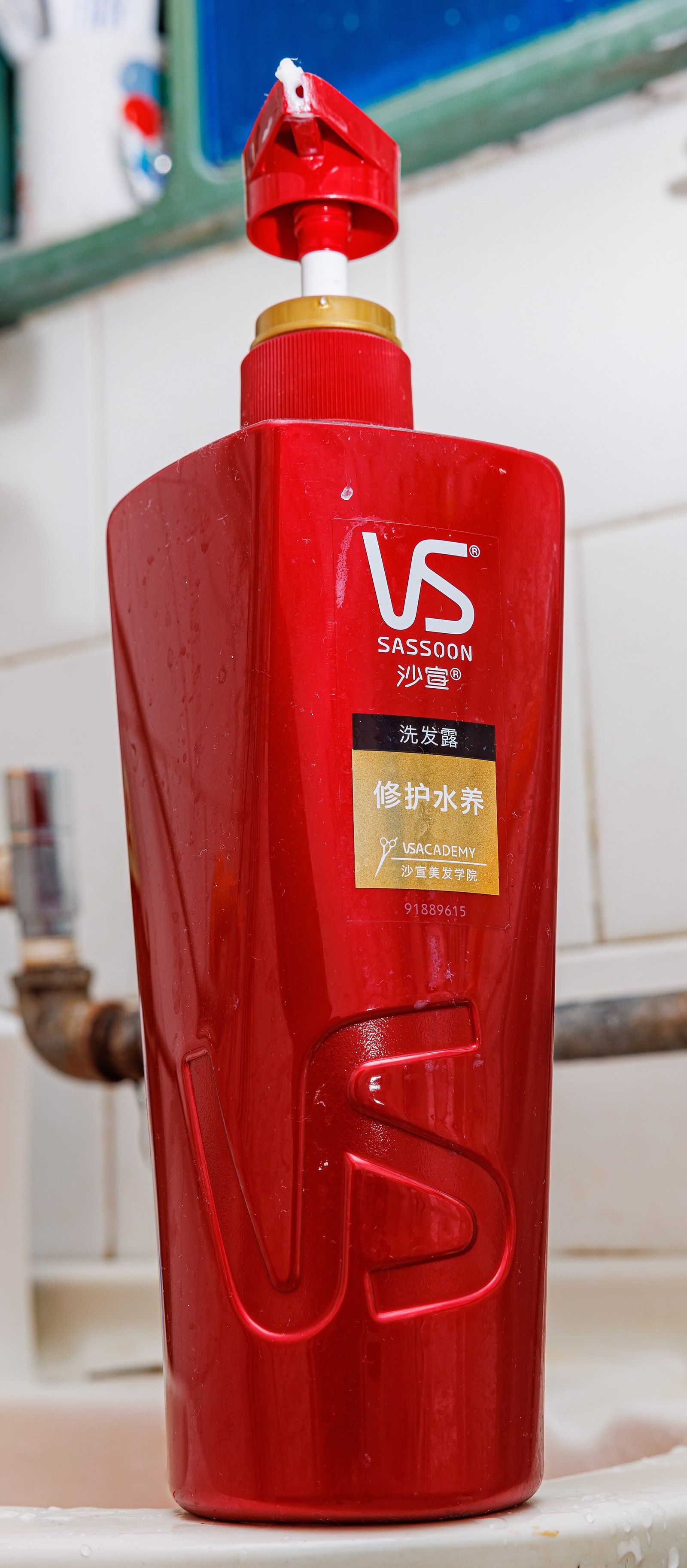
Pregnant women do not need to give up their usual shampoo, dermatologists told NBC News, even as guides to "pregnancy-safe" products proliferate.
"I've never counseled a pregnant woman to change any over-the-counter shampoo based on pregnancy — so I feel comfortable saying if you love shampoo and you're pregnant, keep using it," said Dr. Deirdre Hooper, a board-certified dermatologist at Audubon Dermatology in New Orleans. "The data's just not there to have your physician recommending against any over-the-counter shampoo."
Much of the caution around ingredients such as phthalates, which can be hidden under the word "fragrance" on a label, and parabens, a widely used preservative, stems from a lack of testing rather than evidence of harm. Most ingredients are not tested on pregnant women because of ethical concerns, so experts make recommendations out of an abundance of caution. Parabens have been linked to hormonal disruptions, and sulfates can have a drying effect.
Shampoo also has limited contact with the body. "Shampoos are not in contact with your skin for very long, so the risk of absorption of unwanted chemicals is lower than with skin care products," said Dr. Heather Rogers, a board-certified dermatologist in Seattle.
What does change during pregnancy is the scalp. Dr. Camila K. Janniger, a board-certified dermatologist in Wallington, New Jersey, said hair and scalp concerns are common. Some women develop seborrheic dermatitis — a flaky, dry, sometimes red scalp — or dandruff, or find an existing case worsening, possibly because of hormonal changes. Because not every medicated product is considered appropriate during pregnancy, finding a suitable option can be difficult.
For those cases, dermatologists point to active ingredients. Dr. Marisa Garshick, of MDCS Dermatology in New York City, said a formula combining glycolic acid, zinc pyrithione and fermented tea extract "is considered safe in pregnancy to help address the redness, flaking and itching that can be associated with seborrheic dermatitis." Ketoconazole, an antifungal that targets Malassezia yeast, is used in stronger dandruff shampoos, though such products often contain fragrance and sulfates.
Rogers also suggested baby shampoos, which are typically gentle and free of common irritants. Some fragrance-free formulas carry the National Eczema Association's Seal of Acceptance. Shampoo bars scented with essential oils may still irritate sensitive scalps.
This article was produced with the assistance of artificial intelligence (AI), in accordance with our editorial policy.