How to Shoot the Aug. 12 Total Solar Eclipse With a Phone
Experts say location, exposure control and a certified solar filter matter more than a fancy camera when totality sweeps over northern Spain and the North Atlantic.
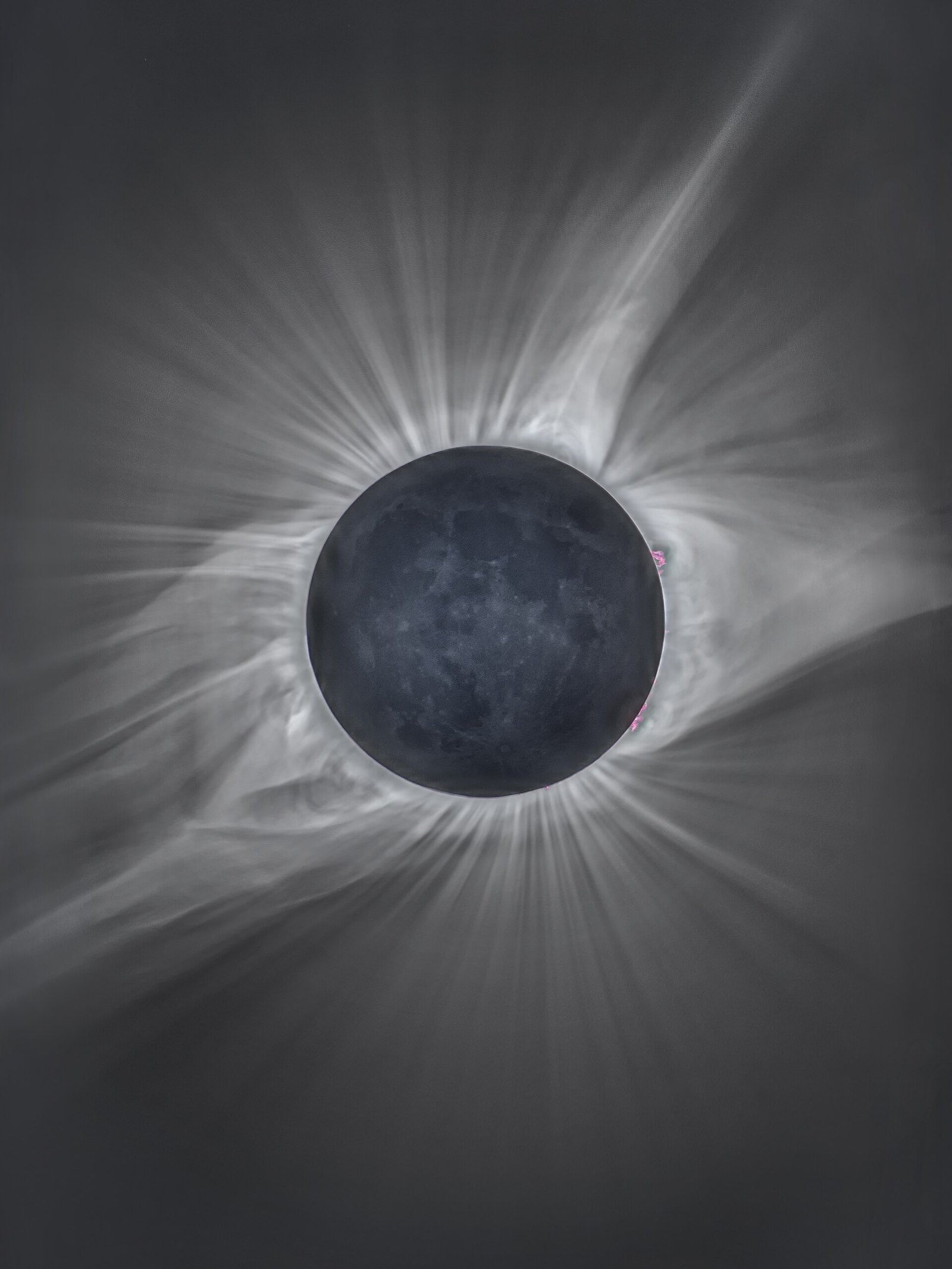
Millions of people in Europe will have the chance to watch — and photograph — a total solar eclipse on Aug. 12, and astronomers say a smartphone can capture the moment if it is used carefully.
The path of totality crosses a swath of northern Spain, along with parts of Greenland, western Iceland and a corner of Portugal. The event is expected to boost tourism in Spain, and some eclipse chasers plan to watch from cruises in the North Atlantic. Much of the rest of the Northern Hemisphere will see a partial eclipse.
Location is the first decision. The European Space Agency has posted a map showing how many minutes of totality different parts of Spain will get, and eclipse expert Xavier Jubier's website overlays the path on Google Maps down to street level. In most of Europe the eclipse will occur close to sunset, with the sun and moon dropping toward the horizon, so viewers should look for high ground with a clear view to the west. Forecast and cloud-cover apps such as Astrospheric can help narrow the choice, and the American Astronomical Society lists recommended iOS and Android apps that play audio countdowns to totality and simulate the view from a given spot.
A digital SLR remains the best tool for close-ups, the society says, because phone lenses are built for wide shots. But newer phones have better sensors, multiple lenses, stabilization and exposure controls. "The main challenge with using smartphone cameras for astronomical photography is that they tend to overexpose bright objects" such as the moon or the inner corona, the society says in its online guide, adding that "zooming in to make the subject bigger often helps." Do not use flash, which can spoil the view for others whose eyes have adjusted.
During the partial phases, the lens must be covered by a special-purpose solar filter, said Antonio Garcia Fernandez of Volunteer Astronomy Observers of Spain, which runs the safety site Eclipse Seguro. The group recommends the Solar Snap, the only smartphone filter certified to the ISO 12312-2 standard, or eclipse glasses held over the lens — a "great low-cost DIY alternative" used by millions in 2023 and 2024, he said.
He warned that "online marketplaces are currently flooded with uncertified or counterfeit glasses" bearing fake ISO labels, which can cause permanent blind spots in seconds. Eye experts also caution that a phone screen can reflect harmful ultraviolet light during selfie videos.
NASA advises pointing the camera at the ground too: gaps in leaves act as pinholes, projecting miniature eclipse replicas.
This article was produced with the assistance of artificial intelligence (AI), in accordance with our editorial policy.