DRC Ebola Deaths Pass 2,325, Deadliest Outbreak in Country's History
Health authorities say the outbreak, now the fastest-growing ever recorded in the Democratic Republic of Congo, has been worsened by cuts to international aid.
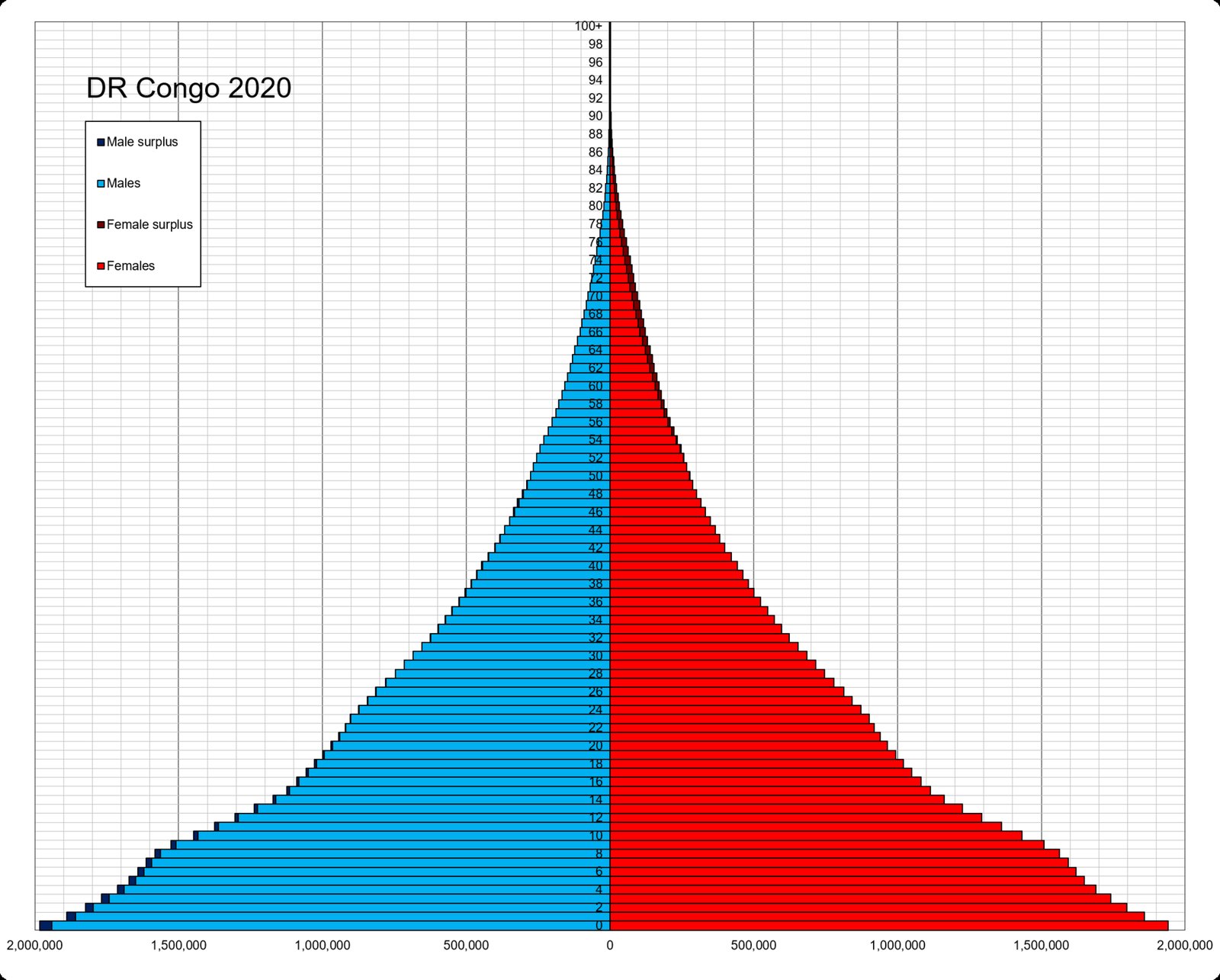
Authorities in the Democratic Republic of the Congo announced this week that at least 2,325 people have died from Ebola, making the current outbreak the deadliest of the country's 17 recorded outbreaks and the fastest-growing in the disease's history.
The outbreak involves Bundibugyo, a rare strain of Ebola for which there is no effective vaccine. Health experts say it spread undetected during the spring, frequently misdiagnosed as malaria or typhoid. Unlike neighboring Uganda, which managed to eliminate a recent outbreak, the DRC has struggled to contain the virus. The worst-affected region is contested by armed groups, and displacement and chronic insecurity have hampered monitoring and surveillance. Ebola treatment centers have also come under attack amid misinformation and community distrust.
A Guardian editorial argues the crisis has been worsened by cuts to international aid, particularly from the United States. It notes that in 2014, as an Ebola outbreak spread across Liberia, Sierra Leone and Guinea, President Barack Obama mobilized a global response through the United Nations, with the U.S. Agency for International Development leading efforts to train health workers, conduct contact tracing and roll out vaccinations.
By contrast, the editorial says, the Trump administration oversaw the dismantling of USAID last year after Elon Musk, then heading the now-defunct Department of Government Efficiency, implemented deep cuts. It argues this weakened health infrastructure and surveillance capacity in the DRC, one of the world's poorest countries, and erased institutional expertise built up over past emergencies.
The U.S. has also withdrawn from the World Health Organization, once one of its largest donors. European governments have made similar cuts: Britain's Keir Starmer announced last year that UK aid would fall from 0.5% to 0.3% of GDP starting in 2027. The editorial calls for renewed international mobilization to address the crisis.
This article was produced with the assistance of artificial intelligence (AI), in accordance with our editorial policy.