American Evacuated From Antarctic Base for Emergency Care
A member of the U.S. Antarctic Program was flown from McMurdo Station to a hospital in Christchurch, New Zealand, where officials say the patient was admitted in serious condition.
An American working in the United States Antarctic Program was evacuated from Antarctica and admitted to a New Zealand hospital in serious condition, officials said.
The individual was transported from the U.S. McMurdo Station on July 31 for emergency medical treatment in an operation carried out under what the U.S. National Science Foundation described as "dangerous" winter conditions. The foundation manages the U.S. Antarctic Program.
The patient was admitted to Christchurch Hospital in serious condition, according to the National Science Foundation. No additional details about the person have been released.
The foundation said it requested assistance from the Australian Antarctic Division and the New Zealand Defense Force to move the patient off the continent. The Australian Antarctic Division, the government body that leads Australia's Antarctic Program, confirmed that the person evacuated was an American citizen.
An Australian plane made the five-hour flight from Hobart and arrived at McMurdo Station in "complete darkness," the Australian Antarctic Division said. Antarctica is in the middle of its winter, when the continent goes without sunlight for months and flights in and out are rare and difficult.
"With temperatures dipping as low as −43°C and conditions deteriorating, the crew transferred the patient onto the plane and flew to Christchurch," the division said in a statement Friday. That temperature is about minus 45 degrees Fahrenheit.
The National Science Foundation said it was grateful to the first responders who provided emergency medical care and to "our Australian and New Zealand partners for their life-saving transportation support in dangerous Antarctic winter conditions."
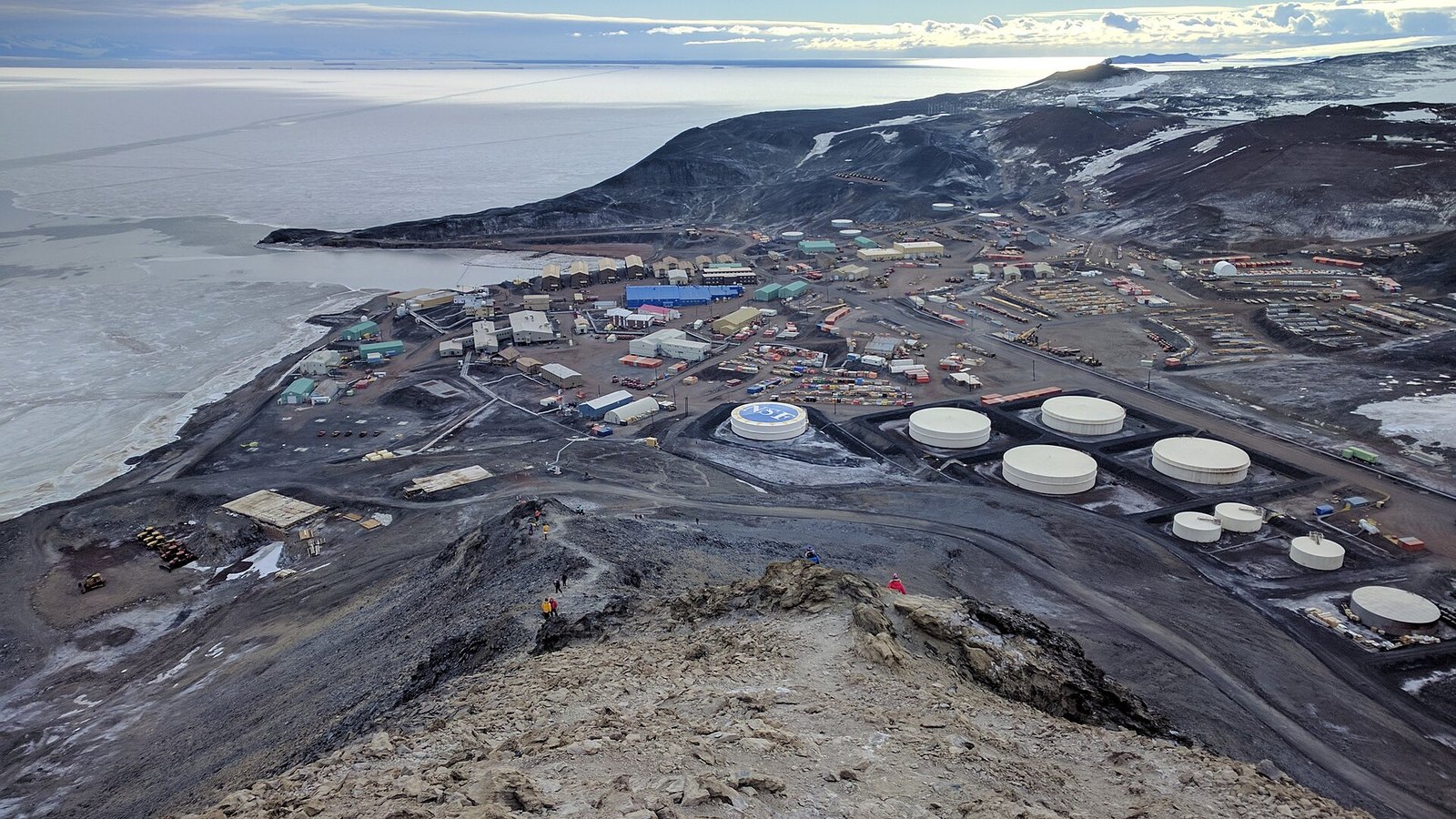
McMurdo Station, on Ross Island, is the largest U.S. research base in Antarctica and the logistical hub of the American program on the continent. Its population shrinks sharply over the winter months, when a small crew remains to keep the station running.
This article was produced with the assistance of artificial intelligence (AI), in accordance with our editorial policy.