In Cuba, Daily Life Now Revolves Around Brief Bursts of Electricity
Blackouts stretching for days — worsened by an oil blockade imposed by the Trump administration in January — have left Cubans cooking, cleaning and bathing whenever the lights flicker back on, sometimes at 3 a.m.
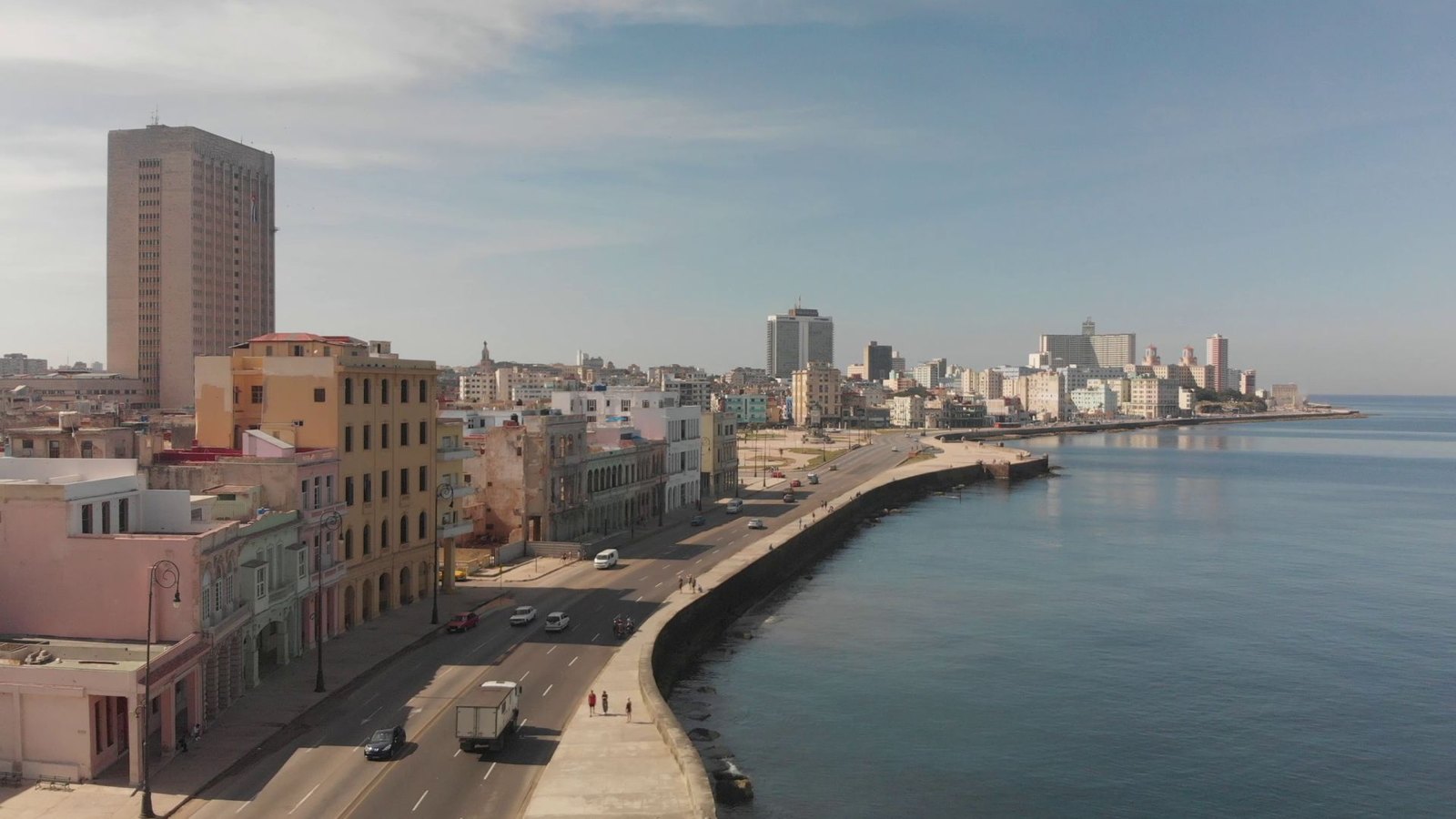
HAVANA — A 20-minute burst of electricity has become a small miracle in Havana, and it often arrives in the middle of the night.
That was when Leidis Rodríguez, 72, frantically cooked beans this week after the lights came on following hours of uninterrupted blackout. "The power has come back on, everyone go!" she shouted.
Across Cuba, blackouts that sometimes stretch for days — fueled by the oil blockade imposed by the Trump administration in January — have forced families to organize their lives around unpredictable bursts of power that last a few minutes or a few hours and arrive at any time, day or night.
"You want to do everything at the same time — wash clothes, iron, cook, tidy the rooms, because it's impossible in the dark, and even get a little relief from the heat," said Rodríguez's daughter, Yaimara Matos, 41. "What we used to do in 10 hours, we now have to do in two."
The crisis is among the worst the island has faced since the Cuban revolution. Public transportation and cultural events have come to a standstill, as has tourism, the country's economic engine. Tourism companies have withdrawn, leaving 25,000 hospitality jobs vacant. Flights are regularly canceled, workdays have been shortened, medicine shortages have worsened and food rots in unpowered refrigerators.
"If there's no electricity, there's no water because it doesn't get pumped to the tank. When there's water, there's no electricity," Rodríguez said.
Blackouts are not new. They began worsening five years ago because of a crumbling energy grid, decades of U.S. sanctions and failed economic reforms by the communist-run government. But conditions deteriorated rapidly after President Donald Trump threatened tariffs on goods from any country that sells or supplies oil to Cuba, its main source of power. Combined with tighter sanctions, the measure was intended to pressure Cuba's government into political change. Average Cubans have felt the worst effects.
Previously most outages were scheduled by the government, usually lasting two or three hours. Now an outage can run 12 hours, 30 hours or longer. Increasingly the entire island goes dark; last weekend's grid collapse was the sixth this year.
Families cope as they can. Rodríguez's household bought a small generator it can run only a few hours a day. Others install solar panels sent by relatives abroad, or buy rechargeable fans and solar-powered vehicles, since gasoline is also unavailable.
Lianet Barroso once cooked on a gas stove and now cooks over a wood fire, filling as many plastic bottles as she can whenever water flows. "Life for Cubans has become difficult, harsh and sad," she said.
In several municipalities, particularly in Havana, residents staged neighborhood protests after blackouts lasting more than 48 hours, banging pots and pans and burning garbage piled on street corners.
With inflation surging as Cuba's currency loses value against the dollar, many struggle to pay for food that may spoil in the next outage. At 10 p.m. Tuesday, Caridad Delgado, 64, prepared food for her cat under a rechargeable lamp bought with remittances from her three children, who emigrated.
Months ago at that hour, she said, "I'd probably be watching a soap opera. Now I can't even dream of it."
"There's just too much anguish, too much desperation," she said. "I try to carry on with life."
This article was produced with the assistance of artificial intelligence (AI), in accordance with our editorial policy.