Experimental Shigella Vaccine Shows 89% Efficacy in Early Trial
Researchers report the strongest protection yet against one of the leading causes of deadly diarrheal disease, though the trial involved only 108 adults.
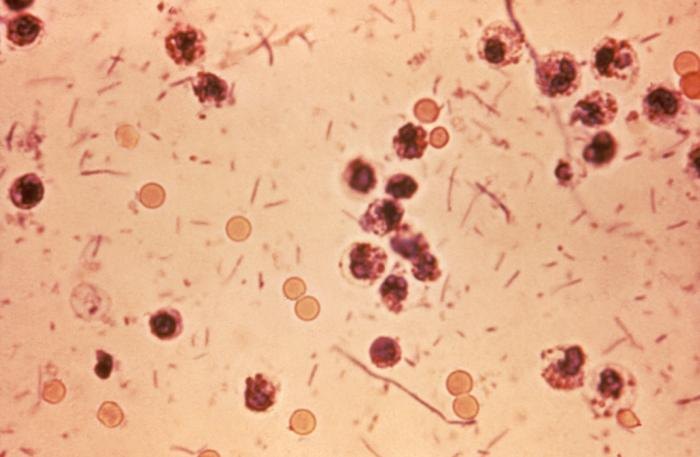
An experimental vaccine against shigellosis prevented 89% of infections in a small human challenge trial, the strongest result yet recorded for a disease that has resisted more than a century of vaccine research.
The vaccine, called WRSs2 after the Walter Reed Army Institute of Research, was tested jointly at Cincinnati Children's Hospital Medical Center and the Emory Vaccine Center's Hope Clinic in Atlanta. Results were published this summer in The Lancet Infectious Diseases.
The study enrolled 108 adults. Half drank a weakened version of the shigella bacteria suspended in liquid — a dose slightly smaller than a shot glass, taken twice a month apart. The other half received salt water. Participants were then deliberately exposed to the bacteria. Among those given the placebo, 81% became ill, with diarrhea and in some cases fever, before receiving antibiotics.
"The fact that the vaccine prevented almost 90% of the illness is really remarkable," said Dr. Kawsar Talaat, an infectious disease physician at the Johns Hopkins Bloomberg School of Public Health, who was not involved in the trial. "It's the best efficacy we've ever seen."
More than 1 million people die each year from diarrheal illness, and nearly half are children under 5, according to figures cited in the study coverage. Chad has the highest rate of childhood deaths, with roughly 1 in 140 children under 5 dying annually. Shigella spreads through contaminated food and water and is most common where sanitation is poor.
Dr. Robert Frenck, a professor of pediatrics at Cincinnati Children's who co-led the trial, said volunteers were paid about $250 a day for roughly a week and took a quiz confirming they understood the risks.
Previous candidates fell well short: one reached 74% efficacy in young adults but offered no protection in younger children, an Israeli vaccine managed 28%, and WRSs2's precursor reached 40% with more side effects.
Dr. Jahangir Hossain of the Gambia unit of the Medical Research Council at the London School of Hygiene & Tropical Medicine called the result "a good hope" but urged caution: "It is a small trial, and it is only the adult age group." He said rising antibiotic resistance — exceeding 80% for some drugs in some regions — makes a vaccine increasingly urgent.
This article was produced with the assistance of artificial intelligence (AI), in accordance with our editorial policy.