15 States Still Allow Corporal Punishment in Public Schools
An NPR analysis finds most reported paddling incidents are concentrated in a handful of Southern states, even as most of the country has banned the practice.
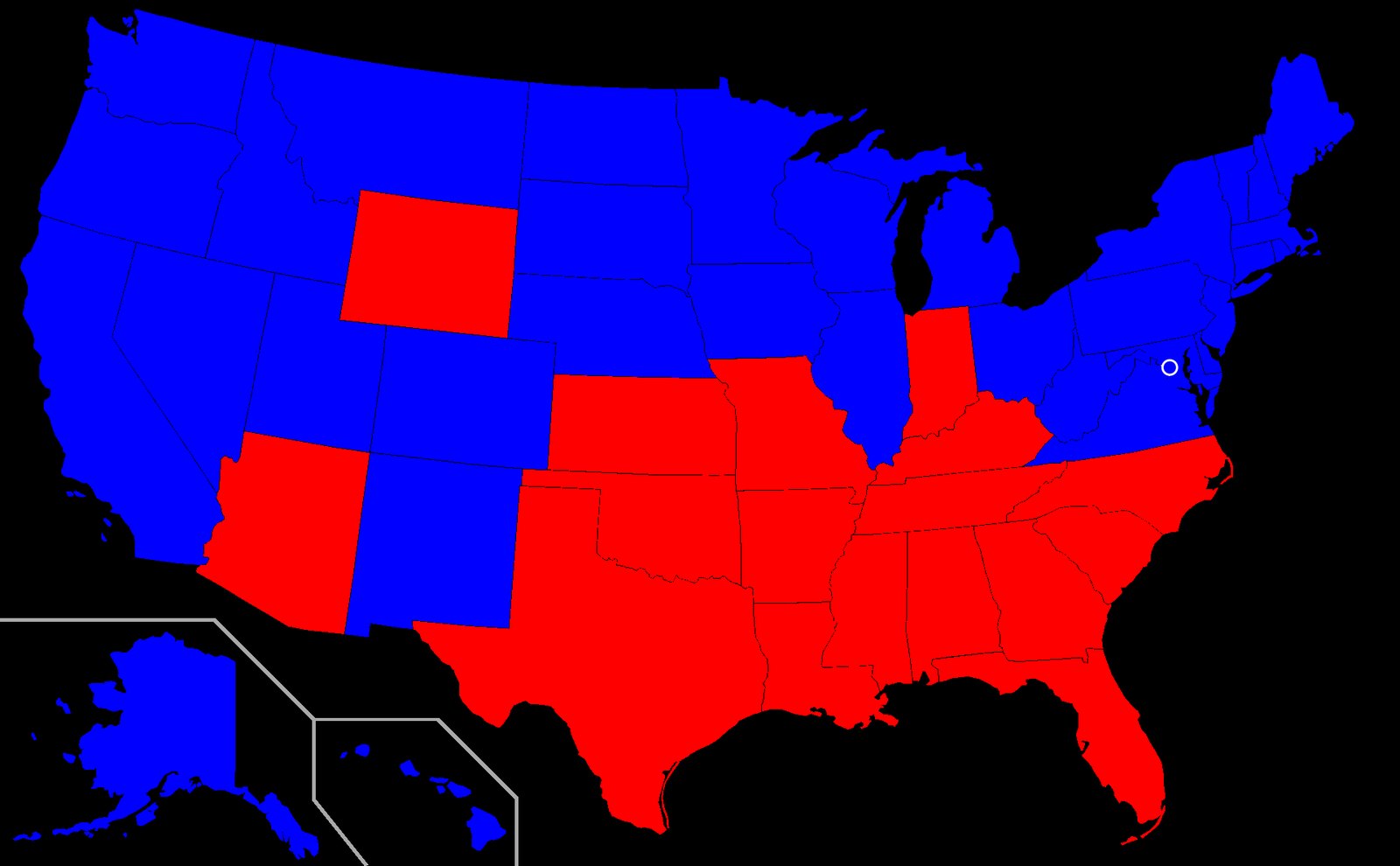
Fifteen states have laws allowing public schools to use corporal punishment on students, according to an NPR analysis, though the practice can still be banned at the local level. Thirty states and Washington, D.C., have passed laws explicitly banning corporal punishment in all public schools, while the remaining states have no explicit ban, relying on other laws or leaving the matter unaddressed.
The U.S. has no federal law banning corporal punishment in public schools, leaving the decision to states and local districts. Many still require parental consent before it is used.
The most recent data from the Department of Education's Civil Rights Data Collection shows nearly 32,000 reported instances of corporal punishment used on K-12 students in the 2021-'22 school year — about one incident per 2,000 students. Almost all of these reported cases occurred in eight states, primarily in the South, according to federal data. Arkansas has among the highest rates in the country, second only to Mississippi.
Tessa Davis, whose son attended school outside Little Rock, Arkansas, said she agreed to have her kindergarten-age son paddled after school officials accused him of grabbing and twisting a classmate's jacket. She was given a choice between a three-day suspension or a paddling and said she couldn't afford to miss work. She said the paddling left her son more fearful and tense at school afterward, and it did not improve his behavior. "The spankings never made the behavior stop, ever," she said. "In fact, it made it worse."
Davis and her husband later stopped using corporal punishment at home and no longer allow it at school. She has since become a public advocate against the practice.
Morgan Craven, a policy expert with the Intercultural Development Research Association, said corporal punishment in some Southern communities is tied to faith-based beliefs and cultural norms around child-rearing, making the topic sensitive to discuss. But she said there is also pushback within those same communities against physical discipline.
The American Academy of Child and Adolescent Psychiatry defines corporal punishment as anything done to cause pain or discomfort in response to a child's behavior. Psychologists broadly agree it can be harmful to children, even as it remains legal in many states.
This article was produced with the assistance of artificial intelligence (AI), in accordance with our editorial policy.