Moving Pillowcase Leads to Reptile Smuggling Bust at Border
A Tijuana woman is charged after border agents found dozens of endangered lizards, snakes and caimans hidden in taped-shut pillowcases in her car.
U.S. border agents discovered dozens of endangered reptiles hidden inside a car after noticing one of the pillowcases packed in it was moving, according to the U.S. Attorney's Office for the Southern District of California.
Georgina Bribiesca Chavez, 66, of Tijuana, Mexico, was arrested Aug. 10 while trying to cross from the U.S. into Mexico after Customs and Border Protection officers discovered she had an outstanding arrest warrant tied to a wildlife trafficking investigation. Officers took her into custody and seized her vehicle.
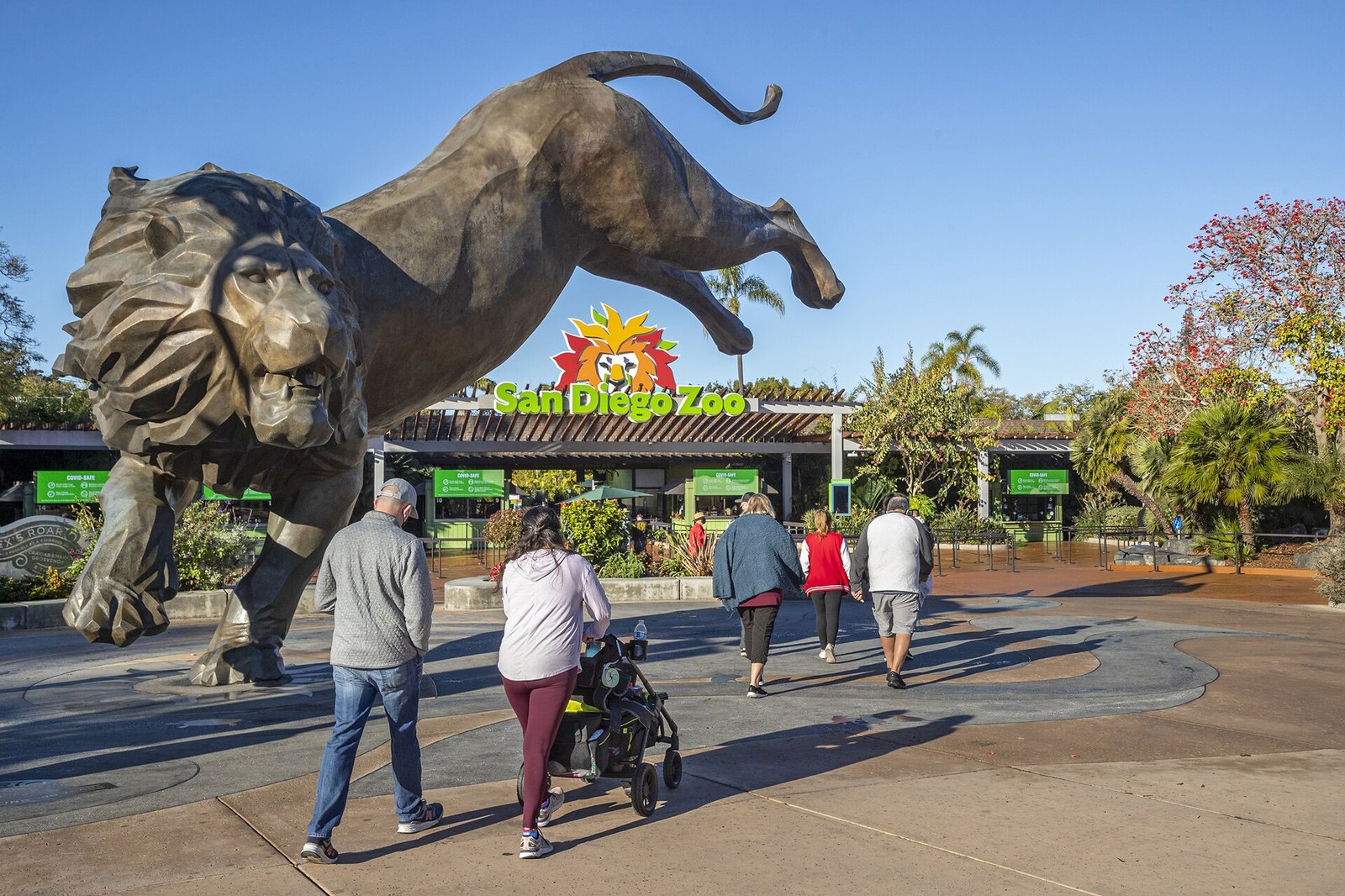
While searching the car the next day, officers found a hidden compartment behind one of the rear seats containing pillowcases that were tied and taped shut. When one of them appeared to move, officers transferred the pillowcases to the San Diego Zoo, where staff opened them and found 60 abronia lizards, four venomous yellow-blotched palm pit vipers, three caimans, one baby crocodile and one indigo snake. Several of the species are considered endangered or threatened and are protected under international agreements.
The three caimans died before they could receive care at the zoo. The other animals were reported stable and remain under the zoo's care.
"Even after her arrest, Chavez never told CBP officers about the live animals in her car, leaving them abandoned for nearly 24 hours in the August heat in San Ysidro," the U.S. Attorney's Office said in a news release.
U.S. Attorney Adam Gordon said the animals "were not cargo — they were living creatures subjected to dangerous conditions for profit."
Chavez pleaded not guilty to wildlife trafficking charges Tuesday. Her alleged partner, 28-year-old Salvador Pelayo, who was arrested in July on a similar federal charge, has also pleaded not guilty.
Prosecutors allege the pair began trafficking exotic reptiles into the U.S. in 2023 with the intent to sell them, prompting the U.S. Fish and Wildlife Service to open an undercover investigation. That probe found the two involved in multiple undercover sales of protected turtles and shipping wildlife through the San Diego area. Authorities allege Chavez and Pelayo made tens of thousands of dollars from the sales.
This article was produced with the assistance of artificial intelligence (AI), in accordance with our editorial policy.