Trump Order Urges Splitting MMR Vaccine Into Separate Shots
The executive order pushes states to abandon the combined measles-mumps-rubella vaccine, but doctors say separate shots aren't even available and the science doesn't support the change.

President Trump signed an executive order on Monday calling for fewer childhood vaccinations overall and urging that the combined measles, mumps and rubella (MMR) shot be replaced with three separate injections given at different visits.
The directive is currently impossible to carry out: no standalone vaccines for measles, mumps or rubella are licensed in the United States. Manufacturers would need to produce and test new, separated formulations, a process Dr. James Campbell of the American Academy of Pediatrics (AAP) said would be "very costly and take a long time," adding there is "no reason to believe that separating them would have any benefit."
The order does not change current federal recommendations. The Centers for Disease Control and Prevention, not the president, sets vaccine policy, and pediatricians say parents should keep following the existing schedule. "Parents should absolutely proceed with getting their child's vaccines as currently recommended, and explore any questions with their pediatrician," said Dr. Sallie Permar, chair of pediatrics at Weill Cornell Medicine.
At the signing, Trump said that combined, the vaccines "could be quite lethal," but separately "look like they are not at all lethal." Permar called that claim unsupported by evidence, saying decades of data show the MMR vaccine is "among the most life-saving of all vaccines." The AAP says there is no evidence that spreading out doses is safer, and warns that delaying shots leaves children vulnerable to preventable disease.
Because of earlier administration efforts to alter vaccine policy, at least 28 states and the District of Columbia said in January that they would follow AAP guidance rather than the CDC's. A federal court blocked a similar attempt by Health Secretary Robert F. Kennedy Jr. in March.
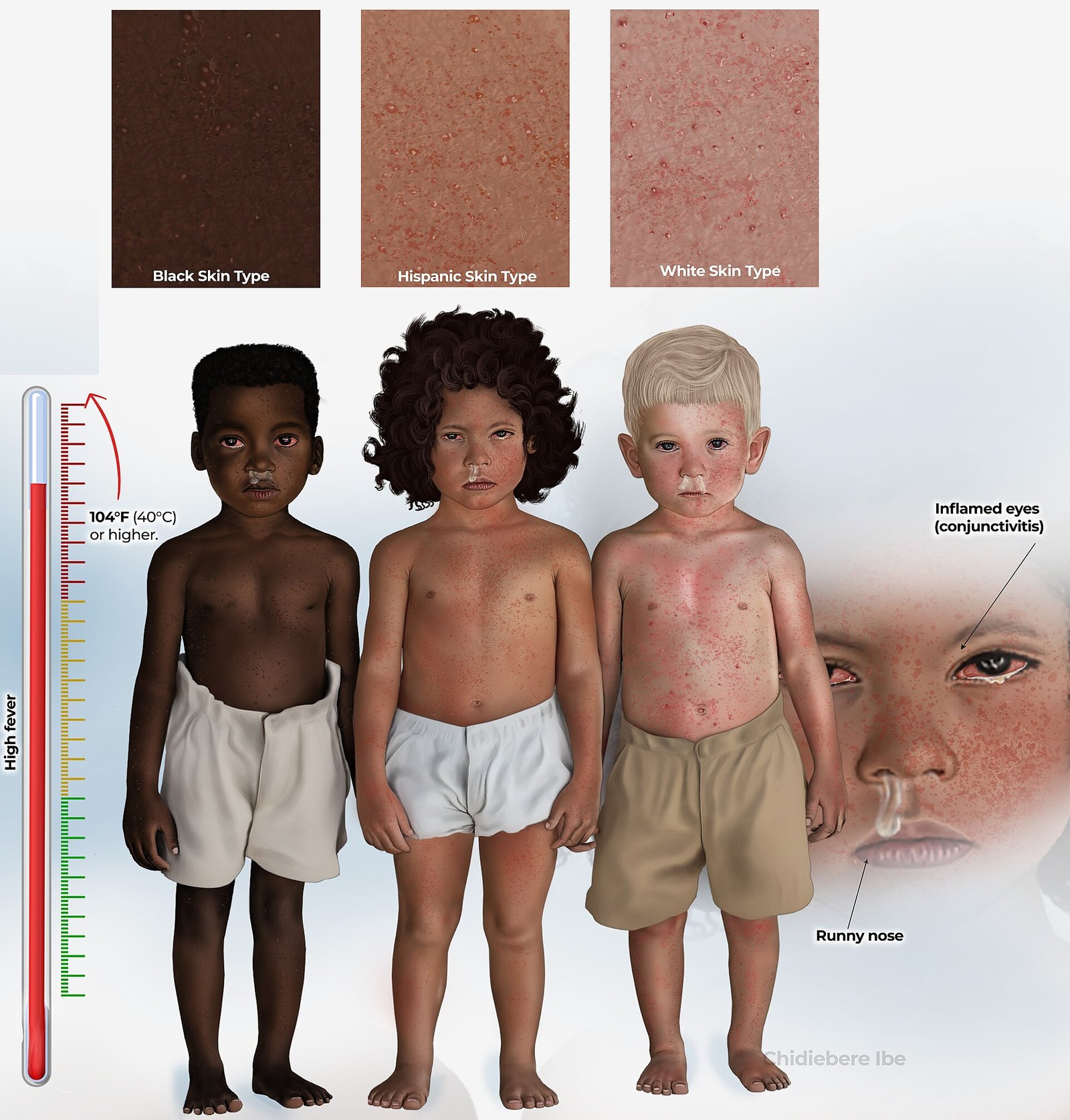
Measles, once declared eliminated in the U.S. in 2000, is resurging, with about 2,465 cases confirmed as of August amid falling immunization rates. The combined MMR vaccine, developed in 1971, is given in two doses, typically at 12 to 15 months and again at 4 to 6 years.
This article was produced with the assistance of artificial intelligence (AI), in accordance with our editorial policy.