Ex-SPLC Official Charged in Informant Payments Case
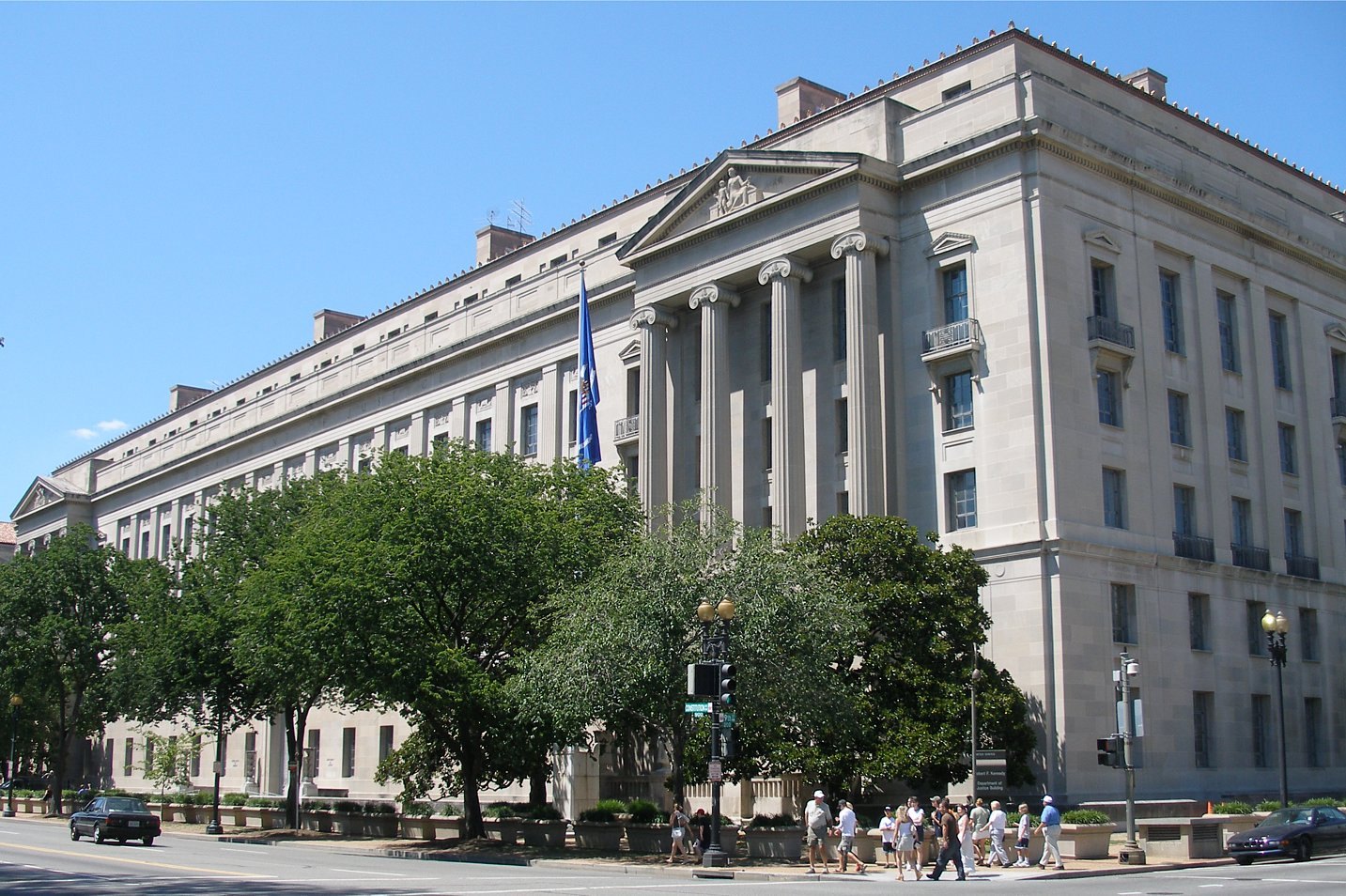
Heidi Beirich was indicted in federal court in Montgomery, Alabama, as the Justice Department presses its case over how the Southern Poverty Law Center paid informants inside extremist groups.

A former official at the Southern Poverty Law Center has been charged in federal court in Montgomery, Alabama, in connection with the Justice Department's case over how the organization paid informants who provided information on extremist groups.
Heidi Beirich, the SPLC's former chief financial officer, has been charged, her attorney said. CNN first reported the charges.
Attorney General Todd Blanche, speaking at an unrelated press conference Wednesday, said the case involved allegations that Beirich "was part of the effort to open bank accounts and completely fictitious companies' names and make payments that to individuals for reasons that were not that were not accurate as as described."
The indictment alleges that Beirich "was in a romantic relationship" with one informant who infiltrated the National Alliance, a neo-Nazi organization, and who was paid more than $1.2 million over several years.
Prosecutors say the payments were routed through shell companies without the knowledge of donors. The charges are part of a broader Justice Department effort to prosecute the nonprofit over the alleged payments.
Beirich's attorney, Michael J. Proctor, rejected the case in a statement. "A free and fair society does not use the justice system to silence its political opponents," he said. "Heidi Beirich has dedicated her life to fighting hate groups and extremist movements like the KKK, neo-Nazis, and other white supremacists." He said her "decades-long record of success dismantling hate groups—and the resulting threats to her life—speak volumes. For this, she has been indicted."
The SPLC has said federal authorities were aware of its use of informants, that the program has been mischaracterized, and that the Trump administration is targeting the group over its politics. The organization said the government has previously used information gathered by its informants.
Abbe Lowell, an attorney for the SPLC, called the Beirich case "as legally and factually flawed as their previous attacks" and said it reflected "a desperate government confronting a weak case, scrambling to make something – anything - stick as we approach trial." The group, he said, "did not lie to donors, did not mislead the banks it did business with, and its informant program prevented violence and saved lives."
Last week, U.S. District Judge Emily Marks declined to dismiss the case against the SPLC, ruling that the group had failed to provide objective evidence that it was being targeted by the Justice Department for exercising its First Amendment rights.
Founded in 1971 and based in Montgomery, the nonprofit civil rights organization initially focused on enforcement of civil rights laws in the South and has expanded over time. It has been a frequent target of conservative critics who say it is politically biased.
This article was produced with the assistance of artificial intelligence (AI), in accordance with our editorial policy.