Ro Khanna Says Democrats Should Nominate a Progressive in 2028
The California congressman, weighing a presidential run, argues the party needs 'America's next new deal' and rejects the idea that Michigan's Senate race is a referendum on progressive chances nationally.
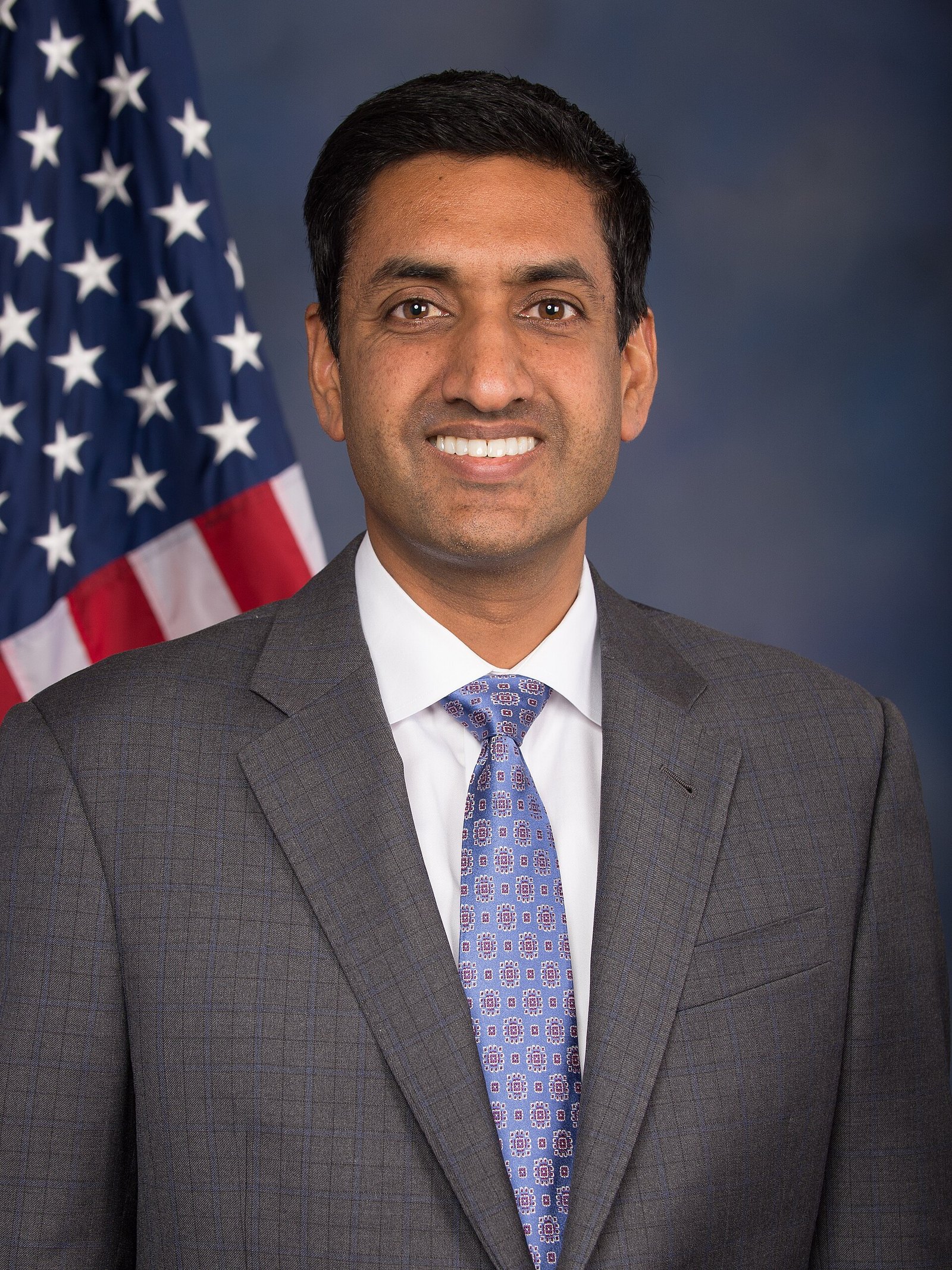
Rep. Ro Khanna, D-Calif., said in an interview broadcast on NPR that Democrats should nominate a more progressive candidate for president in 2028 than they have in the past, calling for what he described as "America's next new deal" and an "economic realignment."
Khanna, who is considering his own presidential bid, made the comments to NPR's Steve Inskeep on the network's video program Newsmakers. Asked directly whether Democrats should go further left, Khanna said, "Yes," but added the label matters less than substance.
Khanna represents a Silicon Valley district he says holds one-third of the nation's wealth, and he described himself as supportive of the region's enterprise while opposed to its inequality. He said he wants technology leaders to invest in America, including through a federal jobs program for young people struggling to find work after high school or college.
He pointed to Abdul El-Sayed's Senate campaign in Michigan as an example of progressive politics he supports, saying he has endorsed El-Sayed and praised his positions on Medicare for All and opposition to foreign wars. But Khanna rejected the idea that the outcome of a single statewide race would prove whether a progressive can win nationally, comparing that logic to assuming Jeb Bush or Ron DeSantis would have become president based on statewide wins.
On President Trump's recent description of Democrats as "communists," Khanna said labels rarely determine political outcomes, noting Trump has been called a fascist for a decade and still won two terms. "What people care about," he said, "is what are you going to do for them."
Khanna also discussed Silicon Valley figures who have moved toward Trump, including Elon Musk, whom he has known for years and who blurbed Khanna's first book. Khanna attributed the shift partly to opposition to regulation of artificial intelligence and cryptocurrency, and what he called an "arrogance" among some tech leaders who see themselves as building civilization or seeking immortality. He said he believes many of them are simply "blowing with the wind" and would shift again depending on political winds.
Khanna, the son of Indian immigrants and a former Obama administration official, described himself as a capitalist seeking to "save capitalism from itself."
This article was produced with the assistance of artificial intelligence (AI), in accordance with our editorial policy.