DNC Set to Approve 2028 Calendar With South Carolina First
Democrats gathered in Austin are expected to give final approval to a primary calendar that puts South Carolina and Nevada ahead of Iowa and New Hampshire.
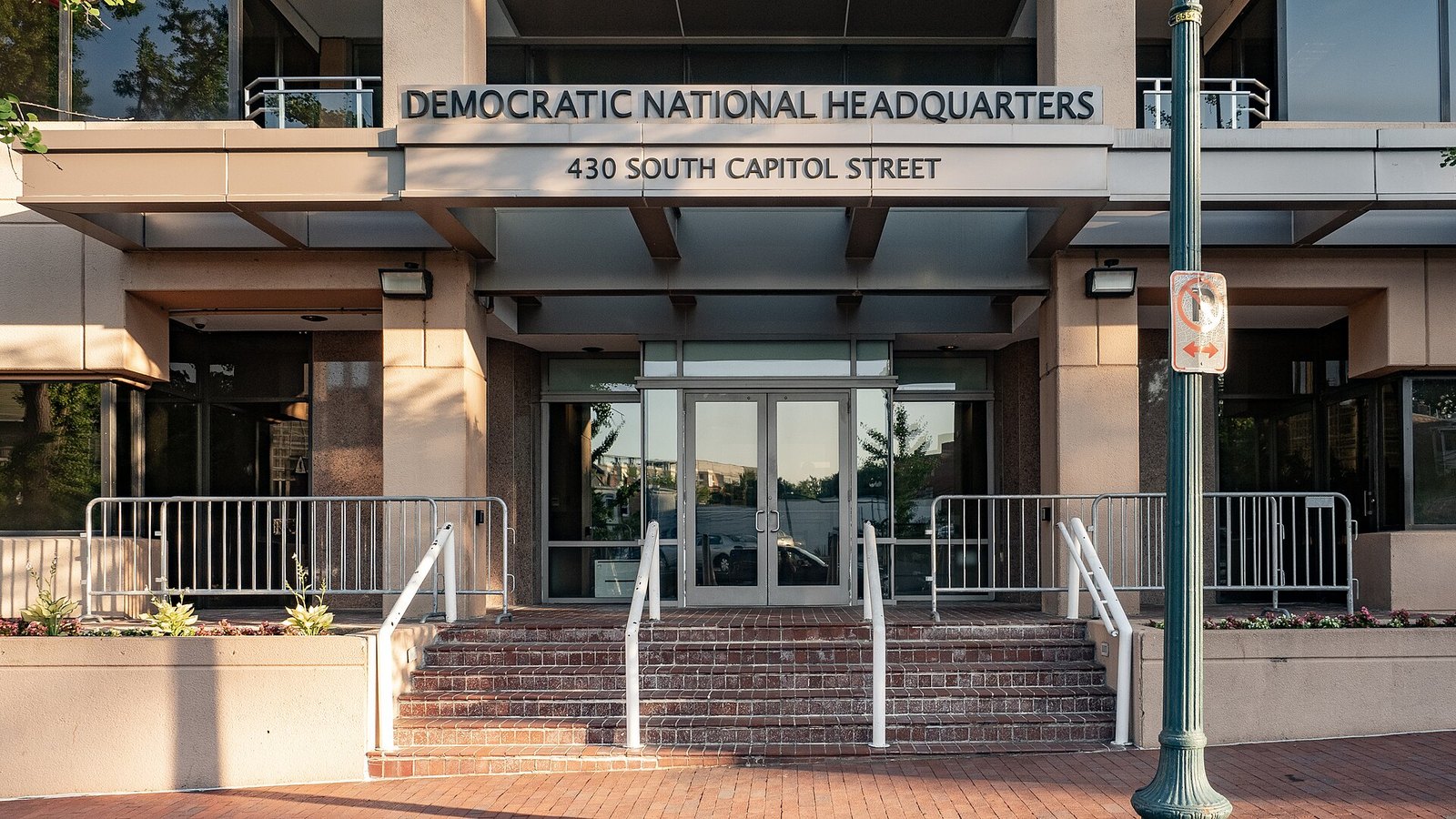
Democrats are meeting in Austin, Texas, this week to give final approval to their 2028 presidential primary calendar, a plan that would put South Carolina first and reshuffle the early voting order to favor states with more diverse populations.
The Democratic National Committee is expected to vote at its summer meeting on the new lineup: South Carolina on January 22, followed by Nevada on February 1, with New Hampshire, New Mexico, Michigan and Virginia rounding out the early states through February.
The overhaul ends decades of Iowa and New Hampshire leading off the process, states with overwhelmingly white electorates. It cements a change former President Joe Biden pushed after South Carolina revived his 2020 campaign, and reflects an effort to give greater early influence to Black and Latino voters within the party's coalition.
Iowa and New Hampshire officials have criticized the decision. Iowa Democratic Party Chair Rita Hart said it showed the party is "out of touch with voters." New Hampshire Sens. Jeanne Shaheen and Maggie Hassan called the move wrong for their state and the country. New Hampshire law requires its primary be held at least seven days before any similar contest, setting up a potential conflict with the new calendar.
The meeting comes amid internal turmoil, with some DNC members calling for Chairman Ken Martin to be replaced over leadership and fundraising concerns. The DNC reported about $16 million cash on hand and more than $18 million in debt in its latest Federal Election Commission filing, compared with nearly $129 million cash on hand for the Republican National Committee. Martin isn't expected to be replaced before the midterms, with members suggesting a possible leadership change at the DNC's winter meeting after November.
Republicans have not yet finalized their 2028 calendar but are expected to keep Iowa and New Hampshire as their traditional early states.
This article was produced with the assistance of artificial intelligence (AI), in accordance with our editorial policy.