Judge Removed From Karmelo Anthony Case as Teen Seeks New Trial
A different judge recused Judge John Roach from further proceedings after Anthony's attorneys argued his post-verdict comments showed bias.
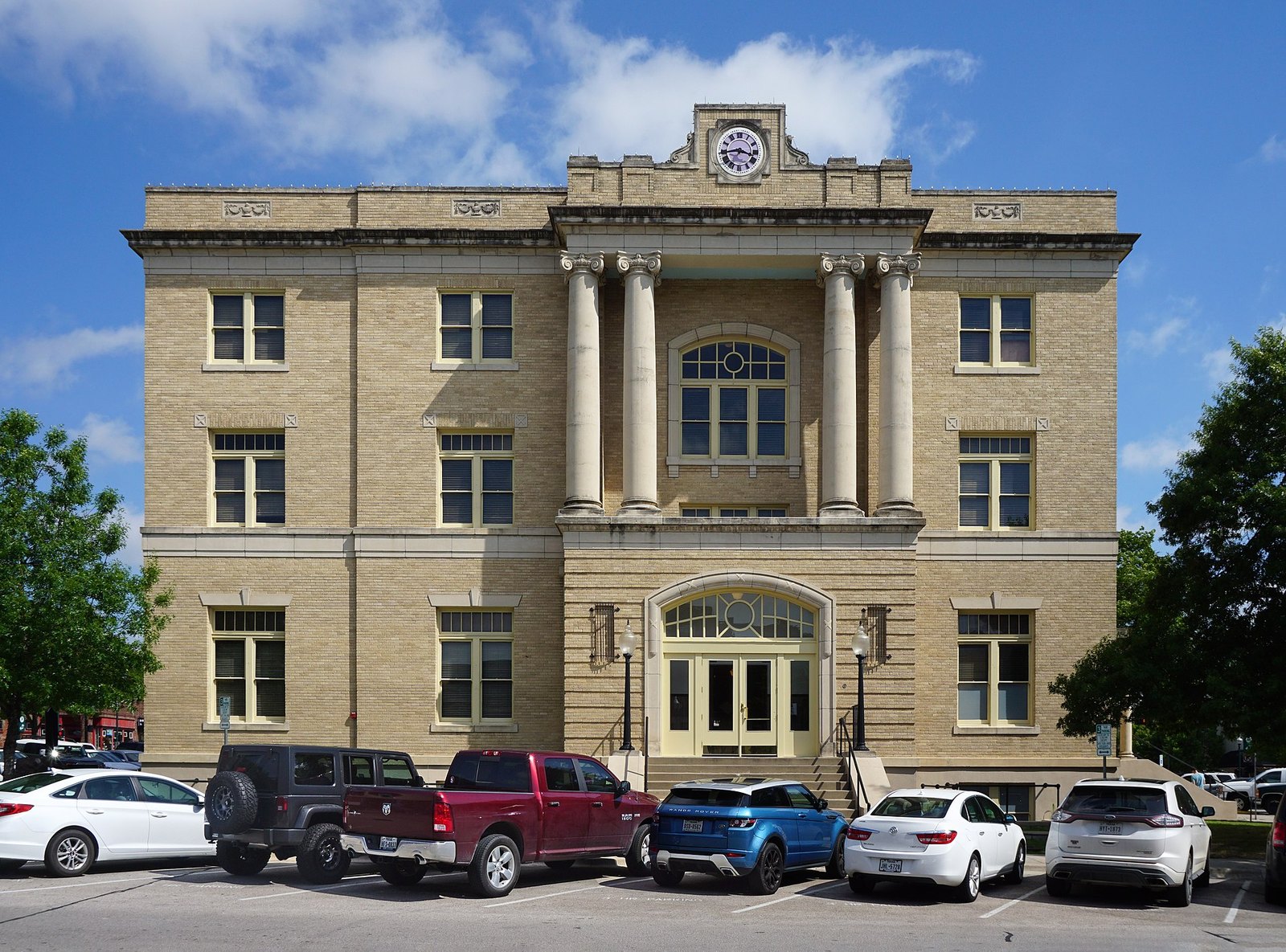
The Texas judge who presided over Karmelo Anthony's murder trial has been removed from further proceedings in the case as the teen seeks a new trial.
Anthony, 19, was convicted in June and sentenced to 35 years in prison for fatally stabbing 17-year-old Austin Metcalf at a high school track meet in Frisco in April 2025.
Anthony's attorneys had filed a motion to recuse Judge John Roach from post-trial proceedings, questioning his impartiality and courtroom restrictions, including a gag order and a ban on electronics during the trial. The motion cited "problematic comments" Roach made in a post-verdict interview, in which he was said to have endorsed the jury's guilty verdict and defended his courtroom rules, as well as a public letter stating that those who worked on the case "contributed to ensuring the process was conducted fairly."
During a hearing Wednesday, defense attorney Russell Wilson argued Roach's public comments about an impending proceeding should trigger "automatic recusal," according to ABC affiliate WFAA. Prosecutor Bill Wirskye countered that Roach had done nothing wrong and pointed to what he called a "concerted effort from social media and influencers to disrupt" the trial.
Judge Sid Harle, who traveled from San Antonio to hear the matter, granted the defense motion, writing that there were grounds for recusal because Roach's "impartiality might reasonably be questioned."
Anthony's attorneys said they were "pleased" by the decision and looked forward to presenting his motion for a new trial to "a fair and independent judge." A hearing on that motion is scheduled for Thursday. The defense alleges Roach's courtroom restrictions denied Anthony a fair trial, that jury instructions were improper, and that prosecutors prevented Anthony from testifying he acted in self-defense.
Prosecutors have called the stabbing "unjustified" and "plain and simple murder," while the defense argued Anthony acted in self-defense. A Collin County jury convicted Anthony of murder in June after a four-day trial, rejecting the option of a lesser manslaughter verdict. Anthony did not testify.
This article was produced with the assistance of artificial intelligence (AI), in accordance with our editorial policy.