Inflation Seen Outpacing Wage Growth in July CPI Report
Economists expect the consumer price index to show 3.4% annual inflation, above the 3.2% pace of hourly wage gains, as oil prices climb again.
Inflation likely ran faster than American workers' pay last month, according to forecasts released ahead of Wednesday's consumer price index report.
The Bureau of Labor Statistics is scheduled to publish the July CPI at 8:30 a.m. ET. Economists surveyed by Dow Jones expect it to show inflation of 3.4% on an annual basis, down slightly from 3.5% in June.
Even that decline would leave price growth above wage growth. The BLS reported Friday that average hourly wages rose 3.2% in July from a year earlier — a gap that has revived talk of "stagflation," when hiring and pay stall while inflation stays elevated.
Energy costs remain the central worry. The CPI jumped to 4.2% in May as the war with Iran drove crude oil higher. Prices eased after President Donald Trump and other officials said the United States was canceling strikes on Iran and was close to a deal to reopen the Strait of Hormuz and end the war. That did not happen, and energy costs have crept back up. On Tuesday, U.S. crude neared $85 a barrel and international Brent rose as high as $90, its first time at that level this month. Gasoline has stayed above $4 a gallon.
"Energy prices should again exert a modest disinflationary influence on July CPI, although likely not to the same extent as in June," economists at PNC Financial wrote Monday. Goldman Sachs economists forecast airfares rose 2% in July, "reflecting passthrough of the rebound in jet fuel prices across July."
Core CPI, which excludes food and energy, is expected to rise 0.2% from June and to ease to 2.5% annually from 2.6%.
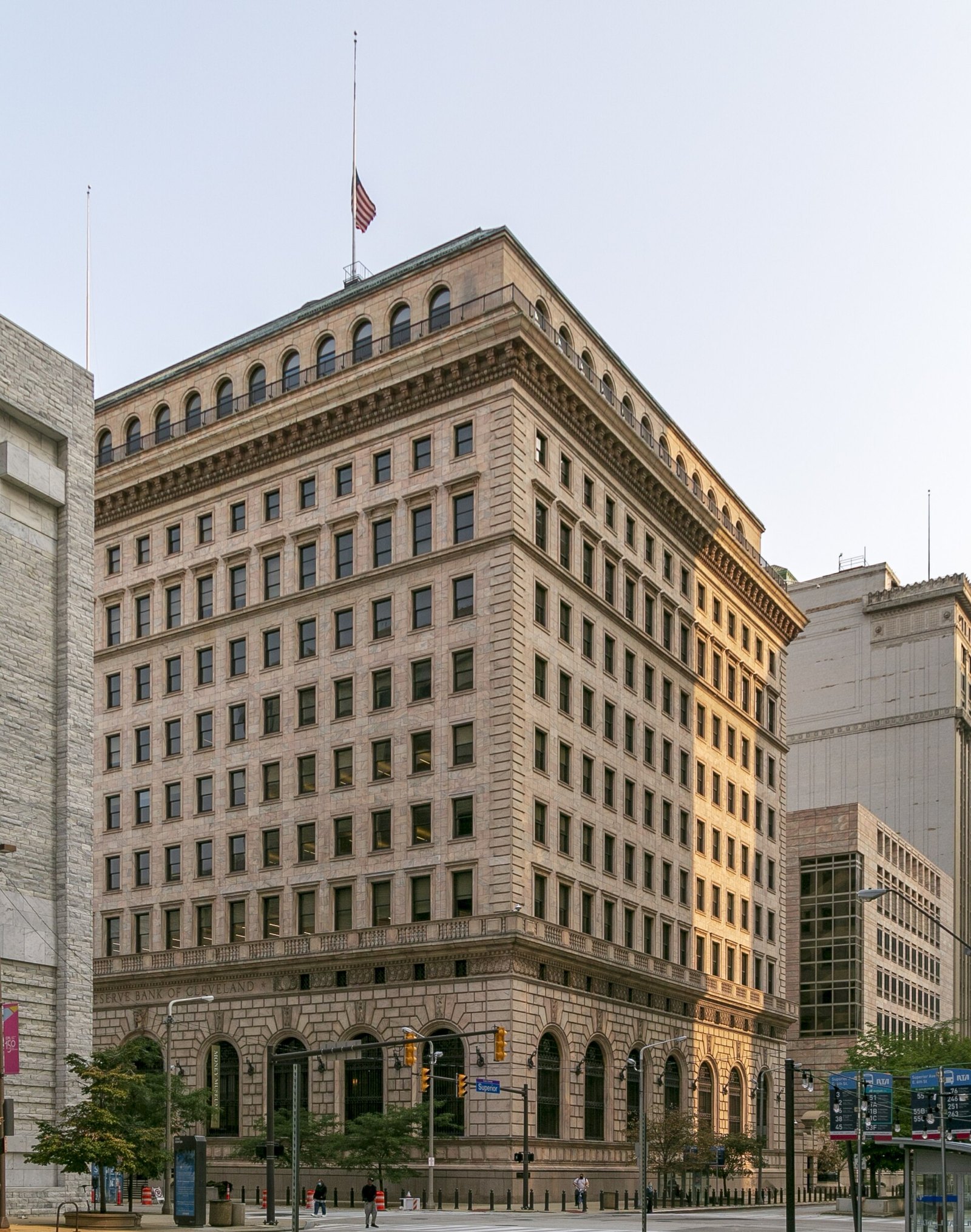
That is still too high for some Federal Reserve officials. Cleveland Fed President Beth Hammack said Monday the central bank may need multiple rate increases, telling Yahoo Finance that a quarter-point move "probably doesn't do a whole lot for the economy." On LinkedIn on Tuesday she wrote: "Now is the time to act."
The Fed's next rate decision is set for Sept. 16. Minneapolis Fed President Neel Kashkari wrote on July 31 that inflation has been above the 2% target "for more than five years," citing supply shocks and the artificial intelligence data center buildout, which has driven up memory chip prices. Apple told NBC News in June: "We have never seen a component price increase this much, this quickly."
This article was produced with the assistance of artificial intelligence (AI), in accordance with our editorial policy.