Toyota Recalls 655,000 Camrys Over Blank Display Error
A 7-inch instrument display can go blank at startup, disabling turn signals, hazard lights and seat belt reminders, U.S. regulators say.
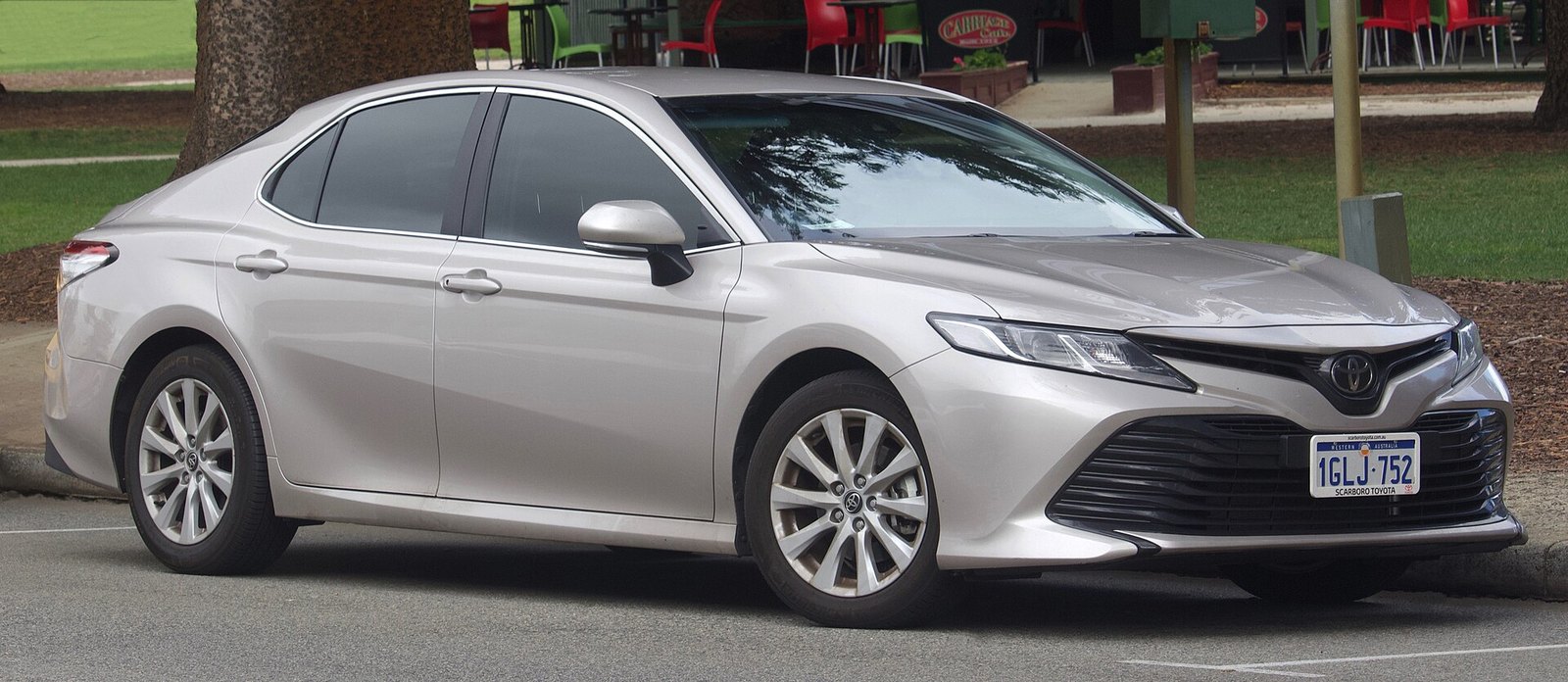
Toyota is recalling about 655,000 Camry vehicles worldwide because of a display error that can deactivate safety indicators including turn signals and hazard lights at startup, the automaker confirmed Tuesday.
Most of the recalled cars were sold in the United States, where more than 508,000 model year 2025-2026 Camry Hybrids are affected.
According to documents published by the National Highway Traffic Safety Administration, the vehicles are equipped with a 7-inch (17.8 centimeters) display combination meter that can go blank at startup. Beyond turn signals and hazard lights, certain warnings such as seat belt reminders and "key left in ignition" buzzers may also fail to function.
The agency said the failures increase crash risks both for drivers who cannot see the indicators and for "the ability of other road users to recognize the driver's intent to change direction or indicate a vehicle hazard."
Toyota Motor North America, the Texas-based subsidiary of the Japanese automaker, said it will notify all known owners of affected Camrys to bring their vehicles to a certified dealer. Dealers will later install a software update free of charge.
Owner letters are scheduled to be mailed starting Sept. 21 in the United States, and Toyota expects to complete those notifications by early October. In the meantime, customers can use the online recall lookup tools operated by NHTSA and Toyota to check whether their car is included.
Toyota confirmed to The Associated Press by email Tuesday that the recall covers markets in North America, the Middle East, Asia and some countries in other regions. The company said the 655,000 vehicles involved globally were produced between December 2023 and July 2026 at three plants, in the United States, Japan and Thailand.
Customers seeking more information can visit Toyota's website or call customer support at 1-800-331-4331.
This article was produced with the assistance of artificial intelligence (AI), in accordance with our editorial policy.