Iran Weighs Barring US, Israeli Ships From Strait of Hormuz
A plan under review in Iran's parliament would also charge other commercial vessels up to 7% of their cargo value to transit the waterway, according to Iranian state media.
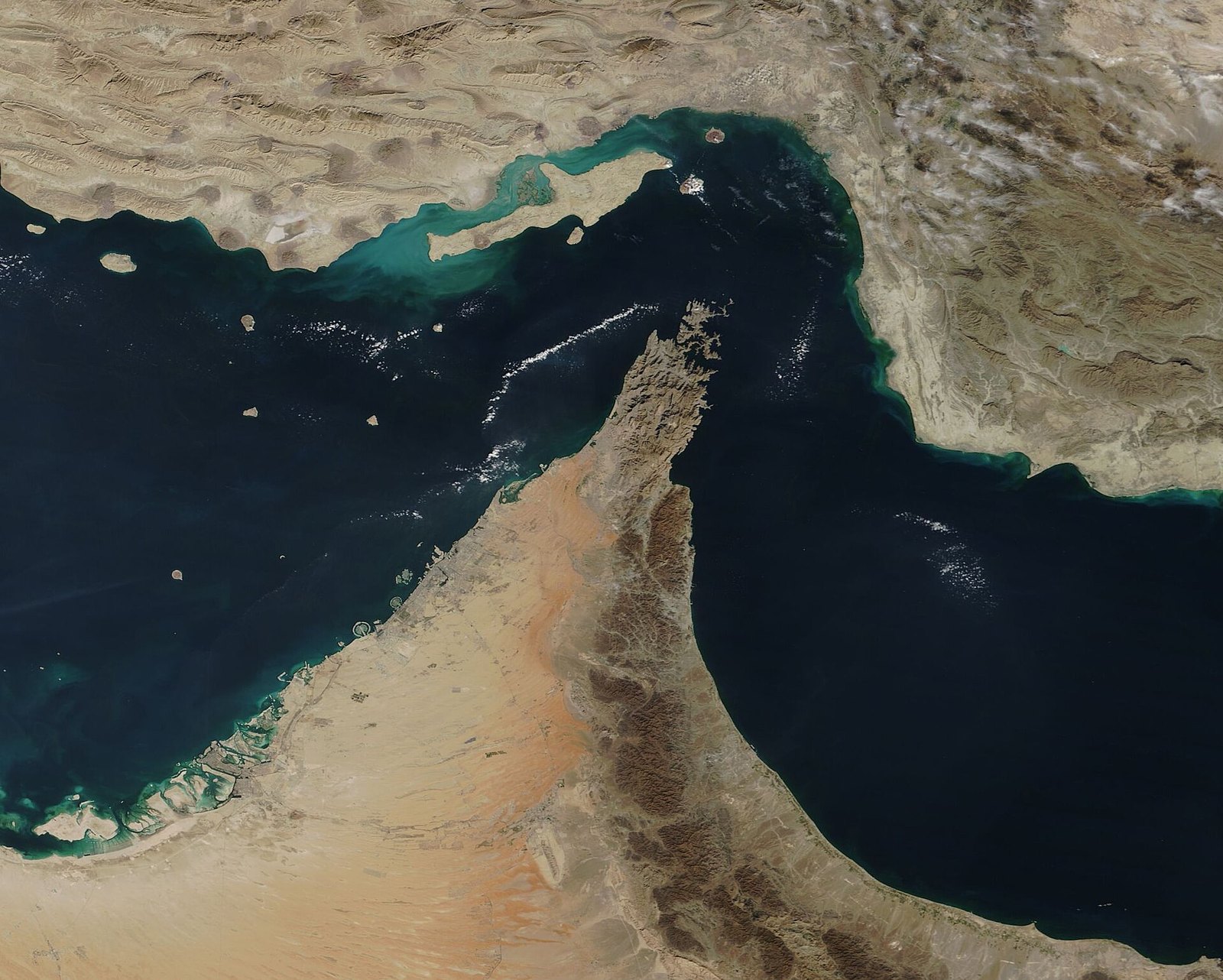
Iran's parliament is reviewing a plan that would bar ships linked to the United States, Israel and other "hostile countries" from transiting the Strait of Hormuz until Tehran is compensated for damage from the war, Iranian state media reported.
Under the plan, commercial vessels allowed through would pay fees of up to 7% of their cargo value. Ships that violate Iran's conditions would be fined 20% of their cargo.
Iran said Wednesday it was finalizing an agreement on shipping routes with Oman, a U.S. ally on the opposite side of the strait. State media quoted the Foreign Ministry as saying vessels would enter through the strait's northern corridor near the Iranian coast and exit through the southern corridor near the Omani coast. Oman has not commented.
The Trump administration disputed Iran's account of the arrangement. "Any temporary routes will be without any impediments — meaning no approvals or permissions and no tolls or charges," a U.S. official told NPR on condition of anonymity because the official was not authorized to speak on the record. "The Strait of Hormuz is an international waterway and no party controls the lanes or the ability to transit through them." President Trump later said the United States currently controls the strait through its naval blockade of Iran.
The dispute comes more than five months after the U.S. and Israel began their war against Iran on Feb. 28. The strait — a key route for crude oil, liquefied natural gas and other goods — was open until the war. Tehran struck back across the region and asserted control over the waterway, and the U.S. imposed a naval blockade on Iran in April and again in July.
A temporary memorandum of understanding signed in mid-June to halt the war and reopen the strait collapsed within weeks. Trump said Thursday that talks were progressing, and Turkey's foreign minister, who has helped mediate, said an interim U.S.-Iran agreement could be announced soon.
Also Thursday, Iran-backed Houthi militias attacked Saudi Arabia's Najran region, injuring 11, including a 4-year-old, according to Saudi military spokesperson Turki Al-Malki, who described "indiscriminate shelling against civilian objects."
On Friday, Pakistan, Saudi Arabia and Turkey signed a joint defense agreement. Pakistan's Foreign Ministry said an armed attack on any one of the three states "shall be regarded as an attack against them all."
This article was produced with the assistance of artificial intelligence (AI), in accordance with our editorial policy.