India's Ban on Sikh Police Abuse Film Sparks Defiant Screenings
After censors and a streaming platform pulled the biopic Satluj, Sikh communities in Punjab organized public screenings and bootleg sharing in open defiance of the government.
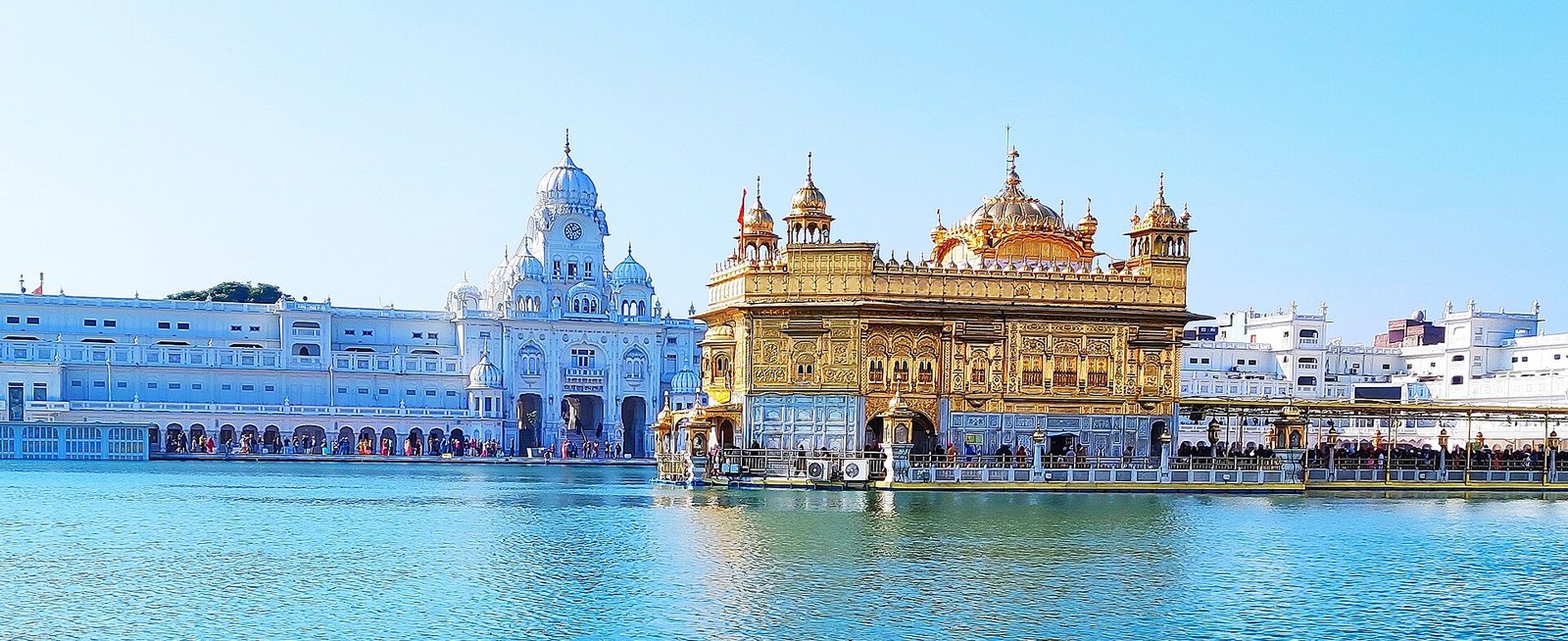
In villages and cities across the Indian state of Punjab, Sikhs are openly defying their government's apparent ban on a film depicting real-life police killings of Sikh civilians in the 1990s.
The film, Satluj, is a biopic of Jaswant Singh Khalra, an activist who documented extrajudicial killings by Punjab police before he disappeared in 1995. His body was never found, though a decade later a trial court convicted six police officers of his abduction and murder.
India's film certification board delayed granting Satluj a theatrical release for nearly four years, according to director Honey Trehan, who said an official once told him, "Who speaks the truth so loudly in today's times?" When the film was finally released on the streaming platform Zee5 in July, it was pulled two days later, with the company citing vague "current developments." India's Ministry of Information and Broadcasting has not explained the block and did not respond to NPR's interview requests.
Rather than quietly accept the ban, Sikh leaders in Punjab urged residents to watch the film anyway. Activists and political parties held rallies in Amritsar, the Sikh spiritual capital, while temples and communities organized public screenings in courtyards and on streets. Bootleg copies have circulated widely on WhatsApp and YouTube.
Sanjay Srivastava, a sociologist at SOAS University of London, called the pushback unusual, saying it reflects "a genuine feeling on the ground that the issues covered in the film have not been entirely resolved."
The film is set during a period when a Sikh separatist movement had turned violent, following the Indian army's 1984 storming of the Golden Temple. Lawyer Sarabjit Singh Verka, who has represented victims, said some police officers privately admitted to operating under a "bullet for bullet" policy, and that some turned killings into an extortion racket, staging shootouts and cremating bodies to hide evidence.
Khalra had compiled a list of roughly 2,000 people he said were killed by police in his home district alone, and alleged the toll across Punjab could reach 25,000 — a figure Verka calls likely exaggerated. He said the government should have set up a truth and reconciliation commission but never did.
Jagmohan Singh Raju, a Punjab official with the ruling Bharatiya Janata Party, said authorities feared the film could revive Sikh separatist sentiment, a concern heightened by rising tensions with Sikh diaspora communities abroad.
This article was produced with the assistance of artificial intelligence (AI), in accordance with our editorial policy.