ICE Plans to Buy Gloves That Deliver Electric Shocks
The agency is set to spend up to $20 million on 'G.L.O.V.E.' devices meant to help officers subdue combative detainees, drawing sharp criticism from civil rights groups.
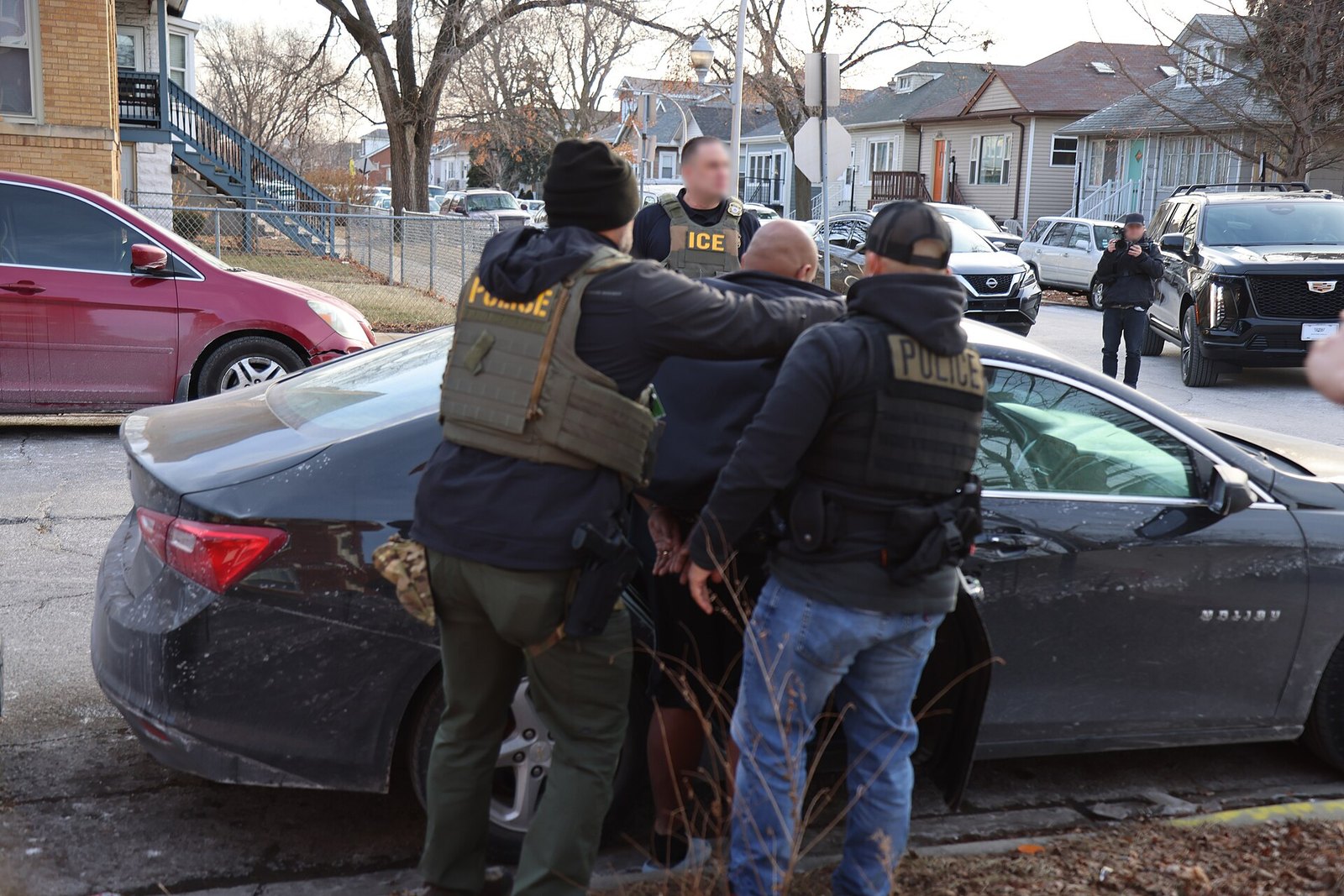
U.S. Immigration and Customs Enforcement plans to spend between $10 million and $20 million to buy gloves capable of delivering painful electric shocks to help officers gain compliance from combative individuals, according to a Department of Homeland Security notice published Monday.
The devices, known as G.L.O.V.E. — Generated Low Output Voltage Emitter — are made by Compliant Technologies LLC of Lexington, Kentucky, and have already been used by some jails and police departments. A no-bid contract solicitation could be published as early as Friday, and the purchase is expected to be completed by March.
The gloves function like ordinary patrol gloves until an officer flips a switch to activate electrical mode. They must touch bare skin directly to deliver what the manufacturer describes as an immediate, sharp pain stimulus — compared by one expert to a bee sting — intended to gain compliance within seconds.
A DHS spokesperson said ICE is "constantly assessing the needs of our officers in the field" and that any technology used is reviewed for compliance with law enforcement standards. Compliant Technologies did not respond to a request for comment.
John Peters, president of the Institute for the Prevention of In-Custody Deaths, who has studied use of the device, said it could help officers — especially smaller, weaker or older ones — subdue resistant subjects faster and shorten confrontations. He said the purchase would likely be the company's largest to date.
The manufacturer warns the gloves should not be used as punishment, against people showing only verbal defiance, or on children, pregnant women, elderly people or people with disabilities.
Civil rights advocates, including the American Civil Liberties Union, raised alarm. Jenn Rolnick Borchetta, the ACLU's deputy project director on policing, said the public has no reason to trust ICE will use the devices appropriately, questioning why they would be needed for civil immigration enforcement given that officers could deploy shocks unseen by others.
The purchase comes as ICE expands its enforcement crackdown under pressure from the White House to make 2,000 arrests a day, and after scrutiny over agents' tactics in shootings during vehicle stops in Maine and Texas last month, in which no body cameras were being worn. DHS has since said all ICE arrest teams will include at least one officer with a body camera going forward.
This article was produced with the assistance of artificial intelligence (AI), in accordance with our editorial policy.