Despite 68 Proposals, Congress Hasn't Amended the Constitution Since 1971
Lawmakers keep introducing constitutional amendments, but none has cleared Congress in more than 50 years outside a quirky 1789 holdover.
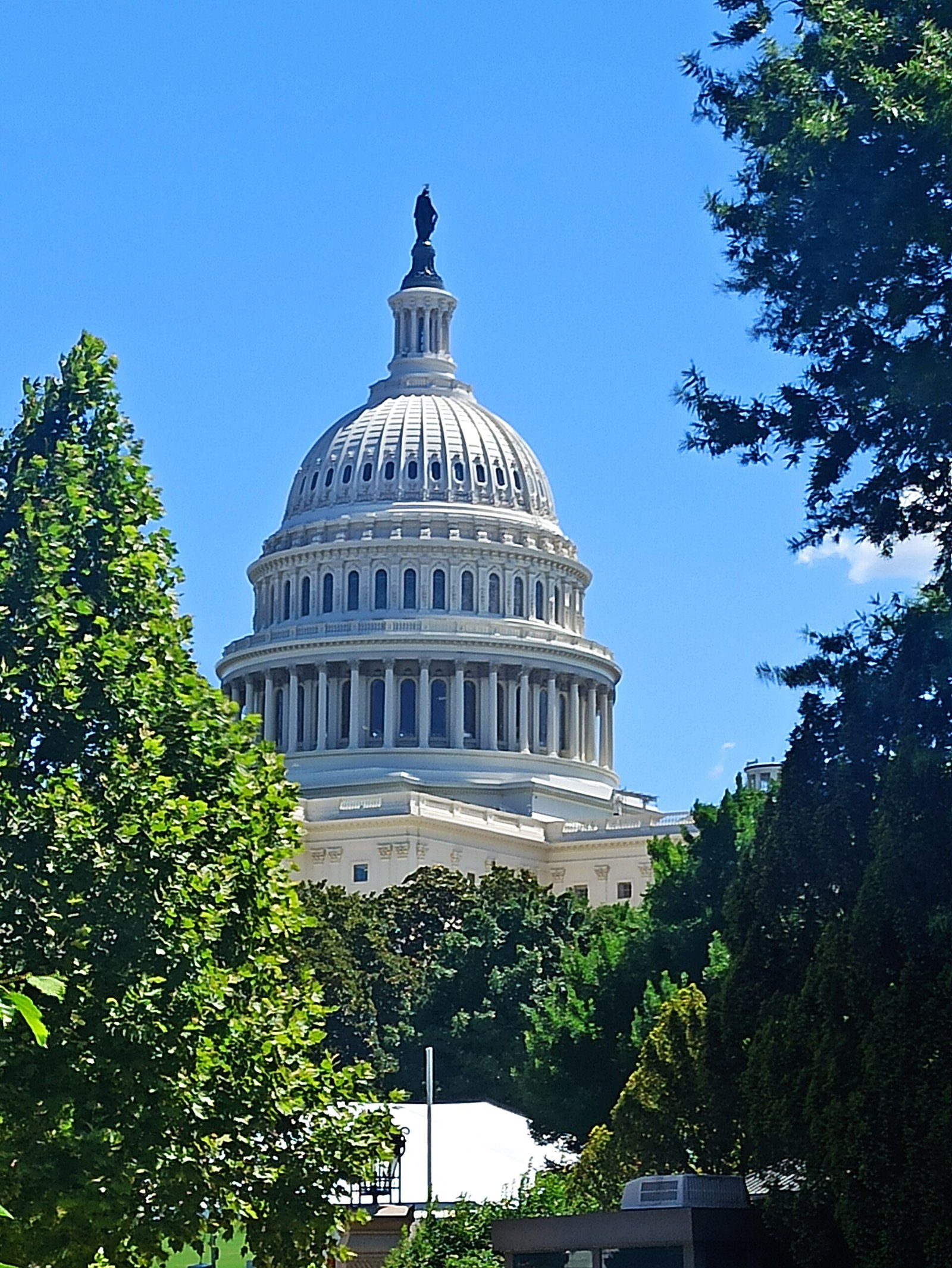
Congress has introduced 68 proposed constitutional amendments this session, but only one has come to a floor vote — and it fell far short of passage, according to an analysis by NBC News senior national politics reporter Jonathan Allen.
In March, the House considered Rep. Warren Davidson's proposal to repeal the 16th Amendment, which allows for a federal income tax. The Ohio Republican's measure won a majority, 211-207, but failed to reach the two-thirds threshold required for a chamber to adopt a constitutional amendment.
With Congress legislating at a historically slow pace and the chambers closely divided between parties, there is virtually no chance any amendment proposal could secure two-thirds support in both chambers and then be ratified by three-quarters of the states.
Still, lawmakers keep trying. Rep. Andy Ogles, R-Tenn., wants to let President Trump seek a third term. Rep. Nancy Mace, R-S.C., and others hope to rewrite the 14th Amendment to end automatic birthright citizenship for babies born to noncitizen parents. Rep. Keith Self, D-Texas, wants to repeal the 17th Amendment, which provides for the direct election of senators. Rep. Sean Casten, D-Ill., proposes adding 12 at-large senators and electors pledged to the national popular-vote winner. Rep. Grace Meng, D-N.Y., wants to lower the voting age from 18 to 16. There are also at least nine separate proposals requiring a balanced federal budget.
Excluding the 27th Amendment — proposed in 1789 but not ratified until 1992 — the last successful amendment was adopted by Congress and ratified by the states in 1971, lowering the voting age to 18, the very provision Meng now wants to change.
The appetite for constitutional change has waned sharply. In the 1980s and 1990s, lawmakers routinely proposed more than 100 amendments per two-year Congress, including 179 in the 101st Congress. Today's totals typically run between five and six dozen.
Sometimes lawmakers simply give up. Rep. Steny Hoyer, D-Md., repeatedly sought to repeal the 22nd Amendment's two-term presidential limit during the second terms of Presidents Reagan, Clinton and George W. Bush, but has not reintroduced the measure during Trump's second term.
This article was produced with the assistance of artificial intelligence (AI), in accordance with our editorial policy.