Guardian: AI Super PACs Are Distorting the Midterm Debate
An editorial says Silicon Valley is spending hundreds of millions to elect deregulation-friendly candidates, citing a $6 million ad campaign against New York's Alex Bores.
Silicon Valley is pouring hundreds of millions of dollars into Super PACs to elect candidates sympathetic to a deregulatory artificial intelligence agenda, The Guardian argues in an editorial published Tuesday, warning that the spending is "distorting debate in a political culture where the power of money already holds far too much sway."
The editorial points to Leading the Future, an organization dedicated to "identifying, maintaining, and growing pro-AI candidates," which it says has received large sums from OpenAI co-founder and president Greg Brockman and Palantir co-founder Joe Lonsdale. The paper describes the effort as a replication of the strategy cryptocurrency backers used in the 2024 election cycle. Super PACs are not affiliated with political parties or campaigns.
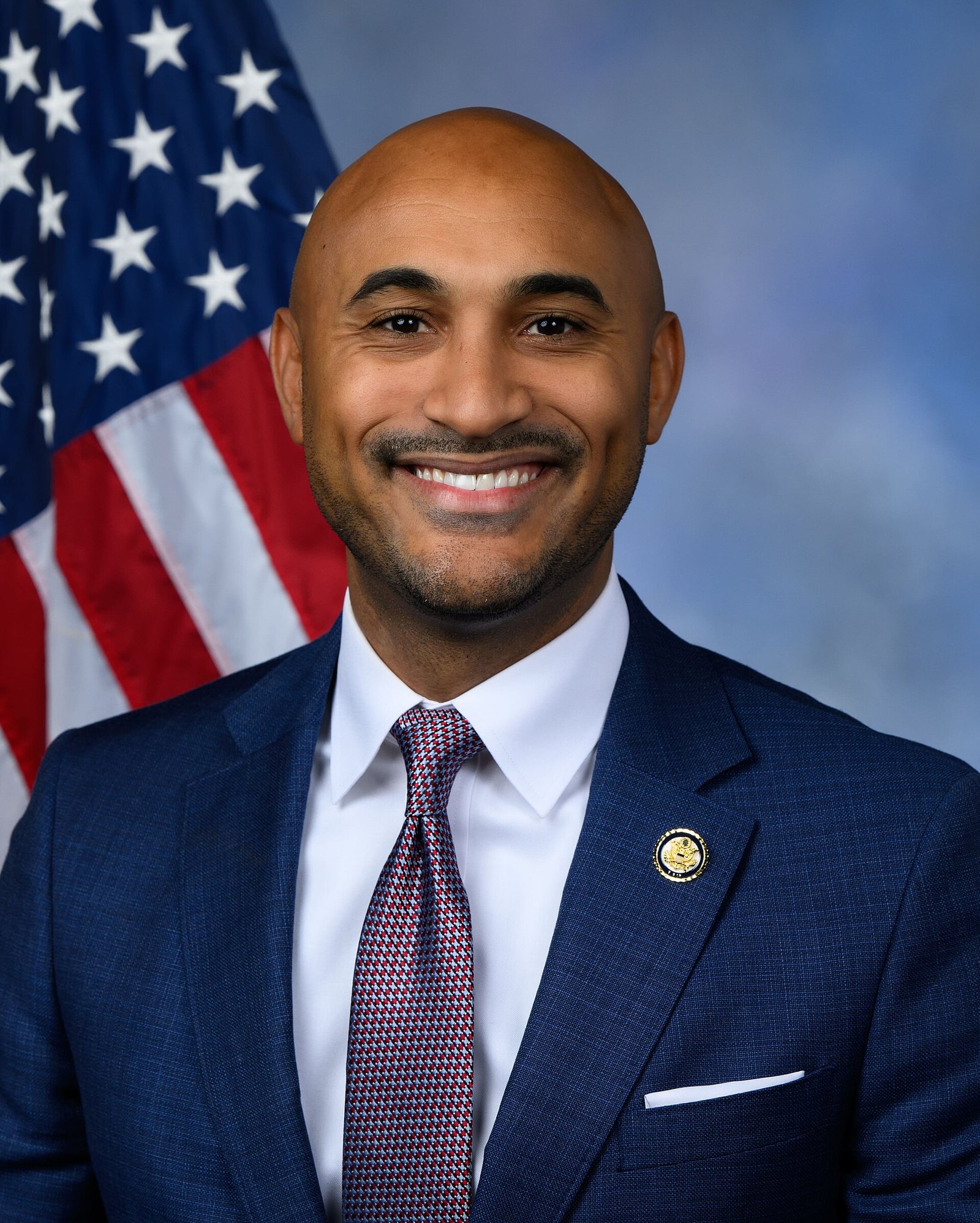
As its central example, the editorial cites $6 million that Leading the Future spent earlier this summer on ads attacking Alex Bores, a New York state assemblyman and an early architect of state-level AI regulation. Rather than target his work on AI, the paper says, the ads attacked his progressive credentials and alleged that he had previously done technology work for Immigration and Customs Enforcement — a claim Bores denies. Running for Congress in a Democratic stronghold, he lost a close primary after what the editorial calls "in essence a smear campaign."
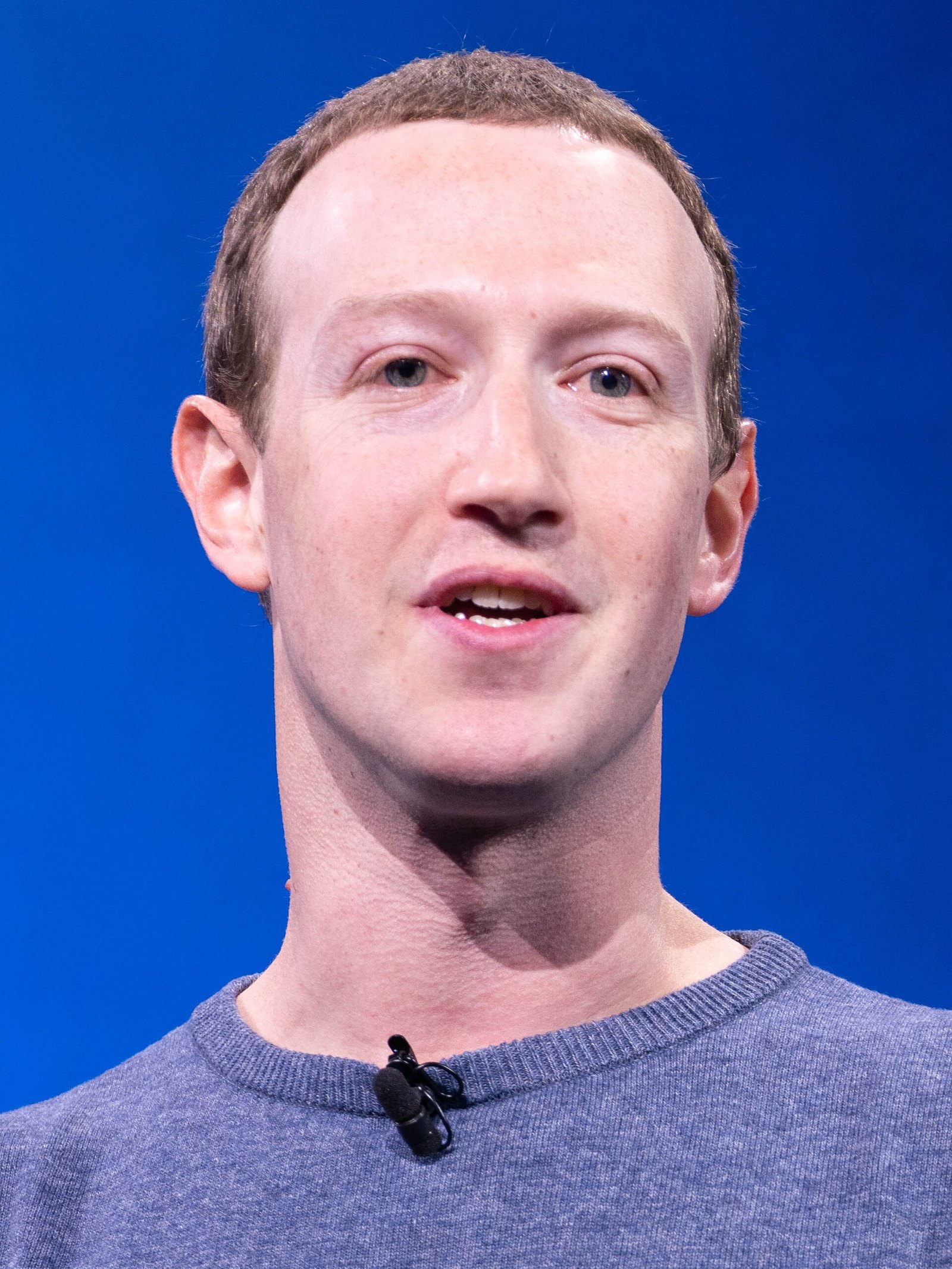
The piece also responds to a 6,500-word essay published this week by Meta chief executive Mark Zuckerberg making the case for a laissez-faire approach to AI development, in which he warns that excessive concern about regulation could leave the United States behind. The Guardian calls the argument "self-serving" and "unadulterated tech-utopianism," noting Zuckerberg's talk of "invention superpowers" for entrepreneurs and "an abundance of jobs in the future," while acknowledging that the lobbying is at least conducted in the open.
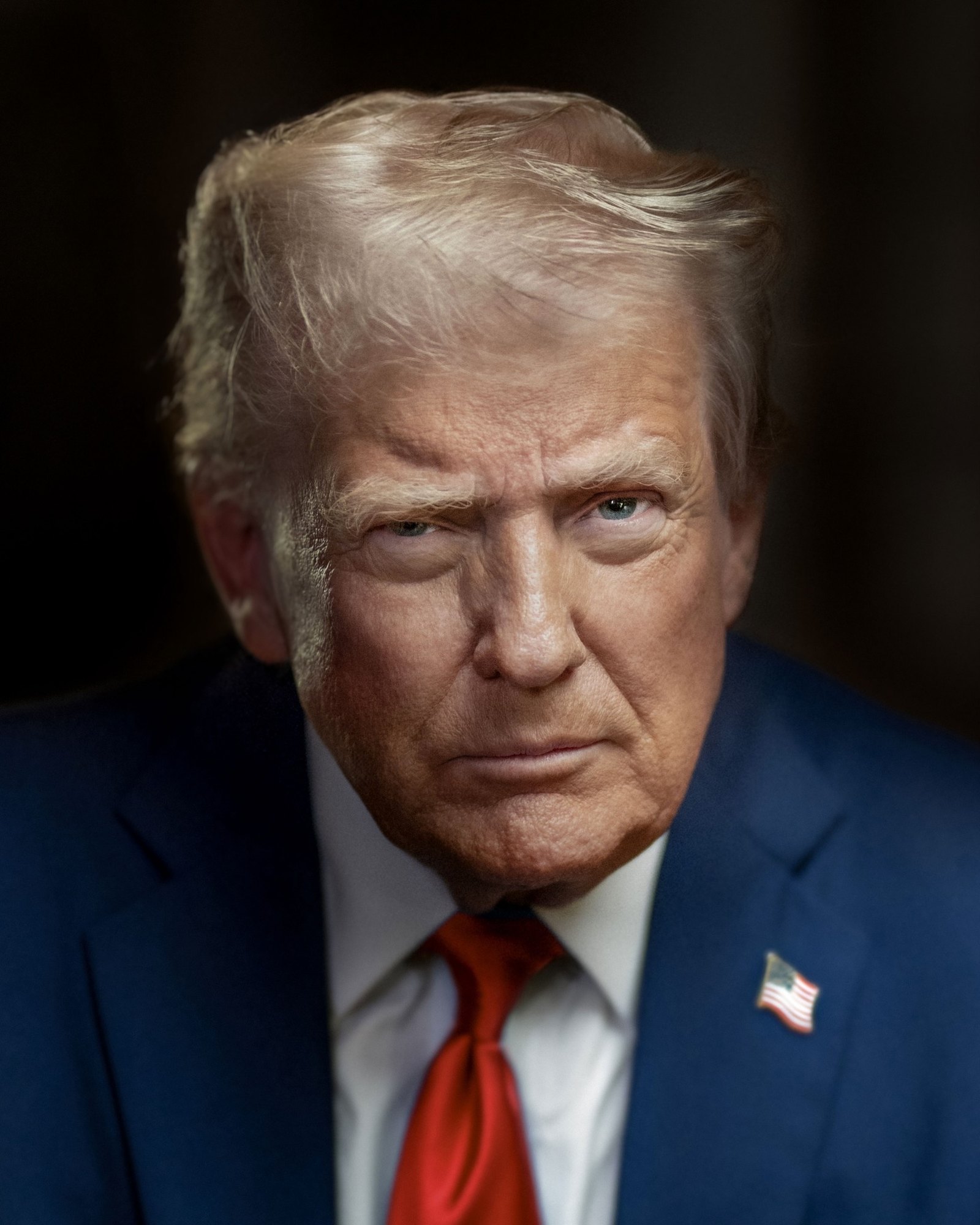
The editorial says industry pressure was instrumental in persuading President Donald Trump to cancel the signing of an executive order that would have given the government the right to review new AI models. It notes that countervailing forces are emerging, including Guardrails Alliance, a union-backed Super PAC, and bipartisan opposition to data centers.
This article was produced with the assistance of artificial intelligence (AI), in accordance with our editorial policy.