California Bill Would Force Disclosure of Toxic Chemicals in Diapers
State legislation, passed 68-1 in the Assembly, would require diaper makers to publicly list ingredients like Pfas, phthalates and lead by 2028.
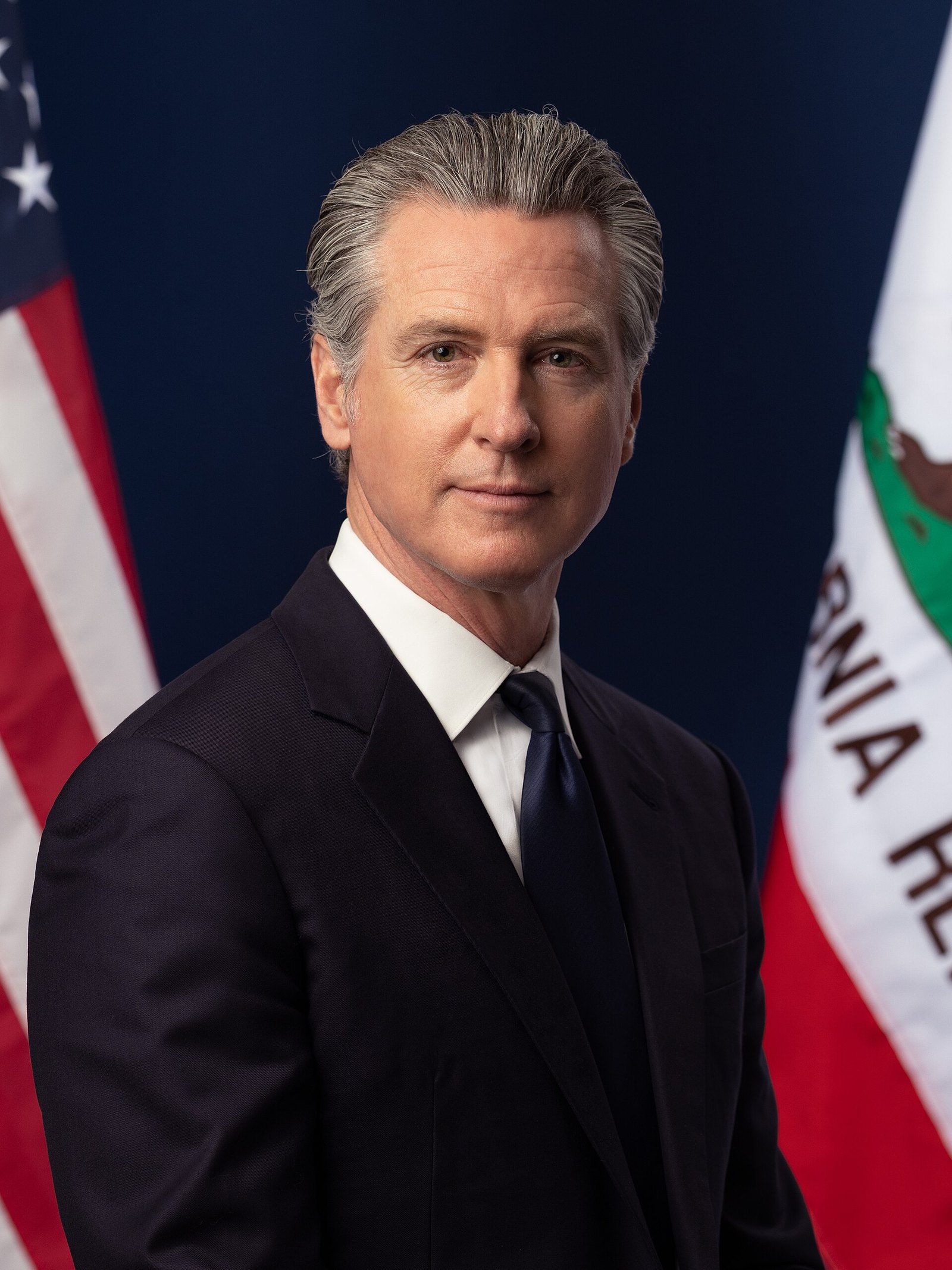
New California legislation would require diaper manufacturers to disclose the “mystery cocktail” of toxic chemicals used in disposable diapers, including phthalates, lead, Pfas, quats, arsenic and volatile organic compounds.
The bill, authored by Assembly member Marc Berman, passed the California Assembly 68-1 and is expected to go before the state Senate in coming weeks. It is backed by a coalition of at least 150 public health groups.
Diapers press against an infant's skin almost continuously for two to three years, and babies' skin is thinner than adults' and more prone to absorbing dangerous substances. Many of the chemicals, such as phthalates, can disrupt the endocrine system and interfere with hormones essential to brain and reproductive development.
“Parents deserve better than a guessing game, especially when it comes to a product that will be touching their babies' skin for every minute of every day for the first two or three years of their lives,” Berman said.
Under the bill, companies would have to post a list of all intentionally added ingredients and their function on a public website by 2028, and include that information on packaging by January 1, 2029. New York currently requires some labeling, but California's measure goes further.
Testing by the Mamavation advocacy site found Pfas in a range of popular diaper brands, while French regulators detected formaldehyde, pesticides and dioxins in some products. A small 2025 study in China found markers of DNA damage in babies' urine associated with phthalate exposure, though it did not establish that diapers caused the damage.
The Center for Baby and Adult Hygiene Products, a trade group representing manufacturers, said diapers “are designed and manufactured to meet strict safety standards” and have decades of real-world use supporting their safety.
Advocates say industry has argued the ingredients are shielded by confidential business information laws, though advocates dispute that those laws cover diaper ingredients. The bill does not ban any chemicals, a step sponsors say would likely draw fierce industry opposition.
“Transparency laws can move the marketplace,” said Oriene Shin of Consumer Reports. “When a customer can compare ingredients, manufacturers have an incentive to follow what the consumer wants.”
This article was produced with the assistance of artificial intelligence (AI), in accordance with our editorial policy.