Bessent Presses Banks to Flag Undocumented Immigrants' Accounts
The Treasury secretary told Arizona bankers the administration "will not tolerate blatant abuse of our financial system," as regulators write new due-diligence and lending rules under a May executive order.
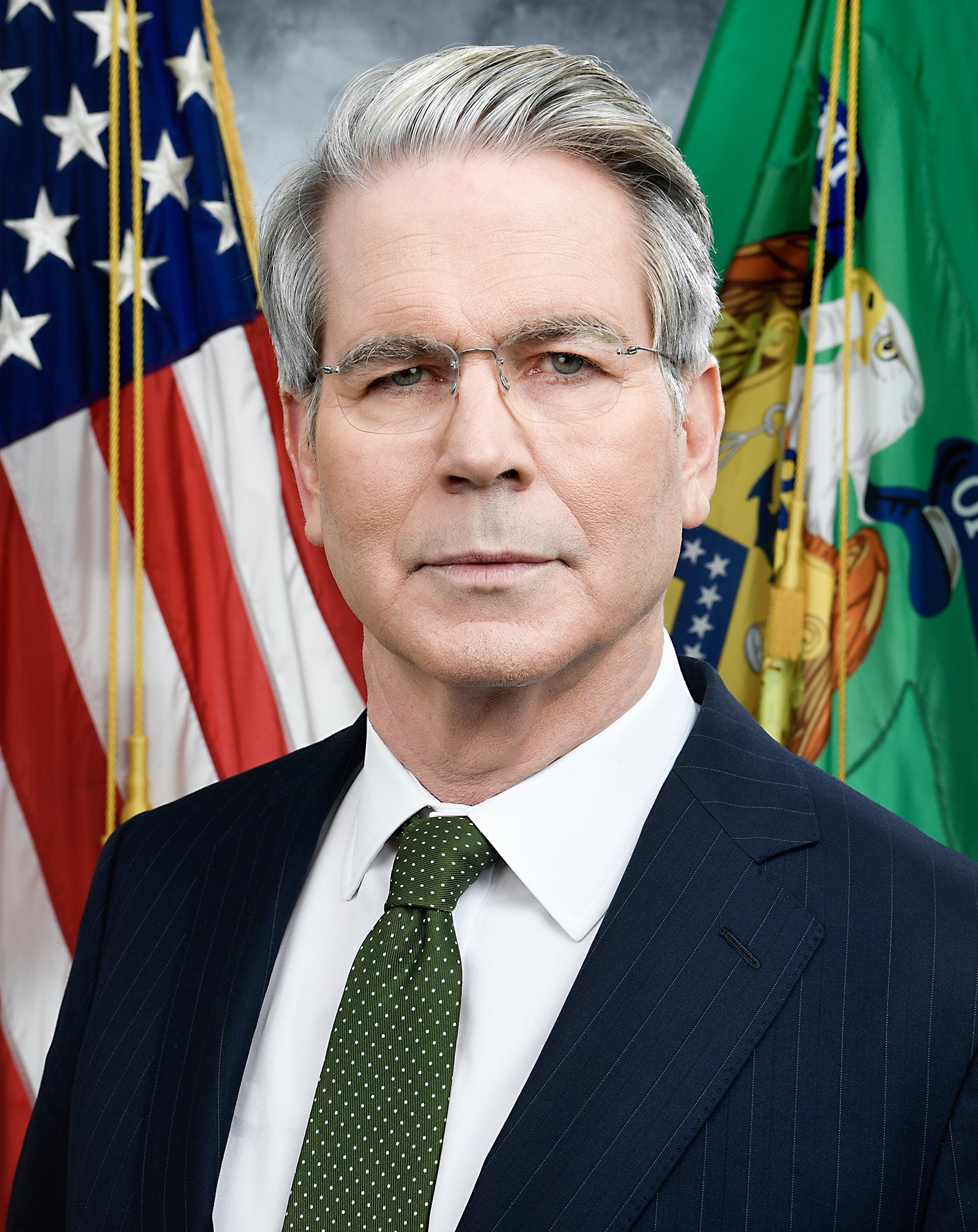
Treasury Secretary Scott Bessent said Thursday that the Trump administration is moving quickly to crack down on criminal enterprises, cartels and undocumented immigrants who use the U.S. financial system for payroll schemes, illicit financing and other fraud.
"This administration will not tolerate blatant abuse of our financial system, nor will it permit risks posed by the extension of financial services to illegal aliens," Bessent said in remarks to Arizona bankers.
He said the administration is relying on banks to help root out fraud carried out by people in the country illegally. "We do not ask bankers to assume the burdens of border enforcement," he said. "But we depend on banks to do what you do best: know your customers, identify risks as they arise, and report suspicious patterns before they metastasize into criminal schemes."
The effort stems from an executive order titled "Restoring Integrity to America's Financial System," which President Trump signed May 19. It directs the Treasury Department, the Federal Reserve, the Office of the Comptroller of the Currency, the FDIC, the National Credit Union Administration and the Consumer Financial Protection Bureau to tighten customer identification and due-diligence rules and to reassess how banks weigh credit risk for borrowers without work authorization.
Bessent said Treasury has met the order's first deadlines. In June, the Financial Crimes Enforcement Network issued guidance to help banks spot patterns tied to unlawful employment, labor brokers, shell companies, payroll tax evasion and identity theft. The OCC followed with an advisory on lending to borrowers not authorized to work in the U.S., instructing banks to weigh a borrower's "willingness and capacity to repay" as part of standard underwriting.
Bessent said Arizona's compliance programs, employee training and suspicious-activity reporting reflect the partnership the order envisions, and he promised that Washington would give banks better fraud-detection tools and listen more closely to community bankers.
Legal and tax analysts said the impact will depend on how the rules are written. In a June 3 client alert, the law firm Debevoise & Plimpton noted the order imposes no new compliance obligations on banks, though it begins agency actions that could reshape anti-money-laundering compliance, due diligence and lending standards. The firm said the order stopped short of an earlier proposal that would have required banks to verify citizenship status for all customers. The CFPB is weighing whether a borrower's risk of deportation and lost wages should factor into ability-to-repay determinations.
KPMG's Washington National Tax practice described the order in June as "a policy signal rather than an immediate change to any law, rule, or regulation," but warned that stricter know-your-customer requirements could slow account openings and increase documentation demands for workers who use Individual Taxpayer Identification Numbers instead of Social Security numbers — a group that includes people lawfully in the U.S.
Treasury faces an Aug. 17 deadline to propose changes to customer due-diligence rules, and a broader customer identification proposal is due by Nov. 16.
This article was produced with the assistance of artificial intelligence (AI), in accordance with our editorial policy.