Senators Told Social Security Faces Insolvency in Six Years
A Senate Finance Committee hearing produced little agreement on how to avoid an automatic 22% cut to benefits for about 70 million recipients.
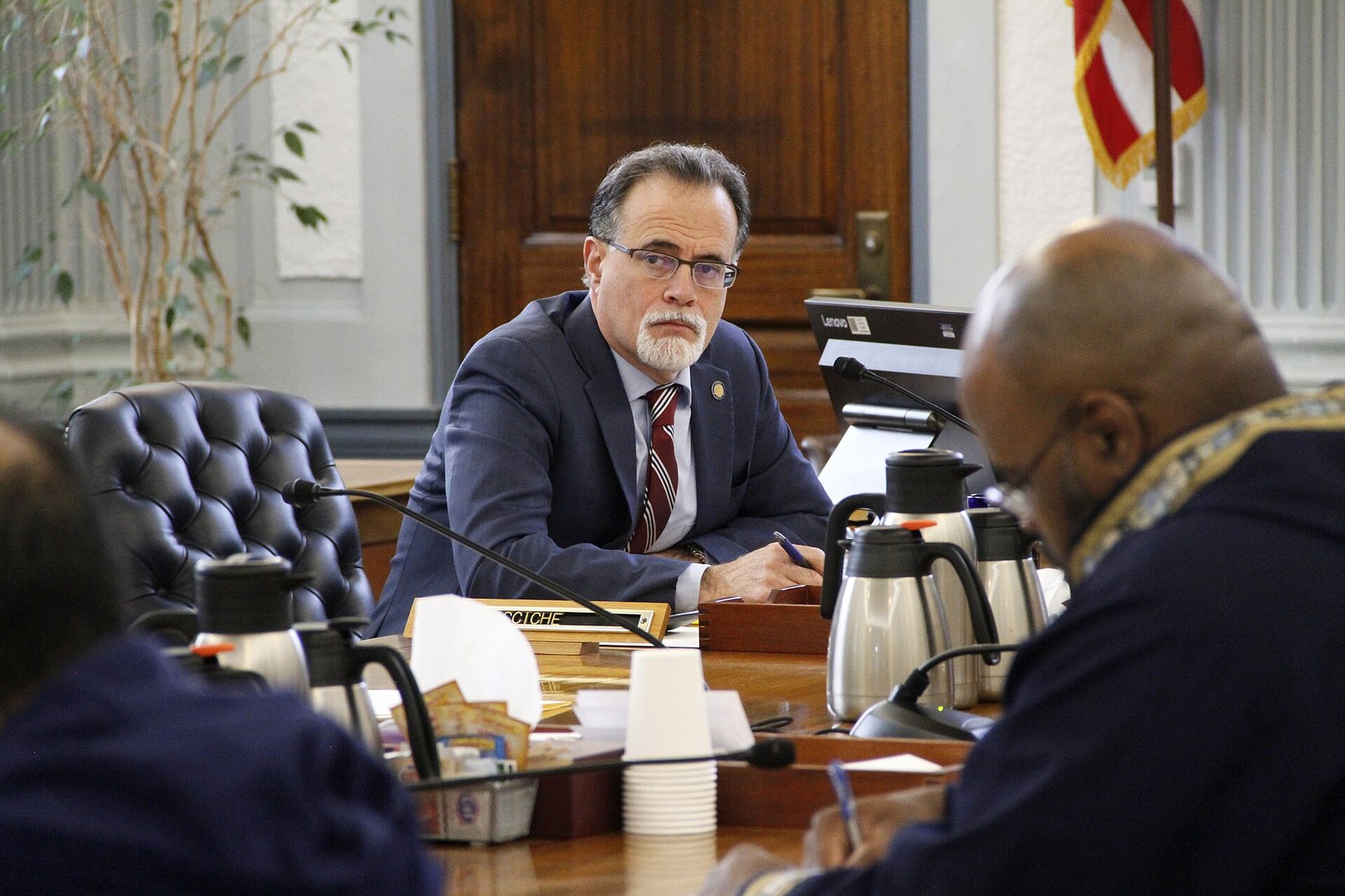
The Senate Finance Committee heard this week that Social Security's retirement program is projected to become insolvent within six years, and that lawmakers no longer have decades to craft a fix.
"In just six years, the retirement program is projected to be insolvent. That's not far off," Marc Goldwein of the Committee for a Responsible Federal Budget told senators.
Unless Congress acts before then, roughly 70 million Social Security recipients would see their benefits cut automatically by 22%, NPR reported. For the average senior, that would amount to about $500 less each month.
The underlying arithmetic is straightforward: baby boomers are retiring in large numbers, and there are fewer workers paying into the system for every senior collecting benefits. Forecasters have anticipated the squeeze for years.
Nancy LeMond of AARP told the committee that automatic cuts would be devastating for older Americans. "At AARP, we hear every single day what Social Security means to our members," she said. "Forty-three percent of older households rely on Social Security for more than half of their income."
To close the gap, Congress must raise taxes, cut benefits or do some combination of the two. Senate Democrats proposed higher taxes on the wealthy. Sen. Ron Johnson, R-Wis., objected.
"That's the golden goose," Johnson said. "It's those people that take that money. They don't put it in a mattress. They invest it in businesses and grow the economy, which I would argue is the No. 1 component of the solution for all these problems, particularly Social Security. We have to grow our economy."
Any benefit reduction, such as raising the retirement age, would likely be phased in over time. LeMond said AARP is strongly opposed. "Our message today is simple," she said. "Protect and strengthen Social Security without cutting the benefits Americans have earned through a lifetime of work."
Some lawmakers want to appoint a special commission to review the options and make recommendations. Others say that would amount to passing the buck. So far there is little consensus on how to proceed, and the deadline keeps getting closer.
This article was produced with the assistance of artificial intelligence (AI), in accordance with our editorial policy.