Women Voters Loom Large in Maine's Collins-Jackson Senate Race
With women making up the majority of Maine's electorate, both Susan Collins and Troy Jackson are courting a bloc that could decide one of the year's most competitive Senate contests.
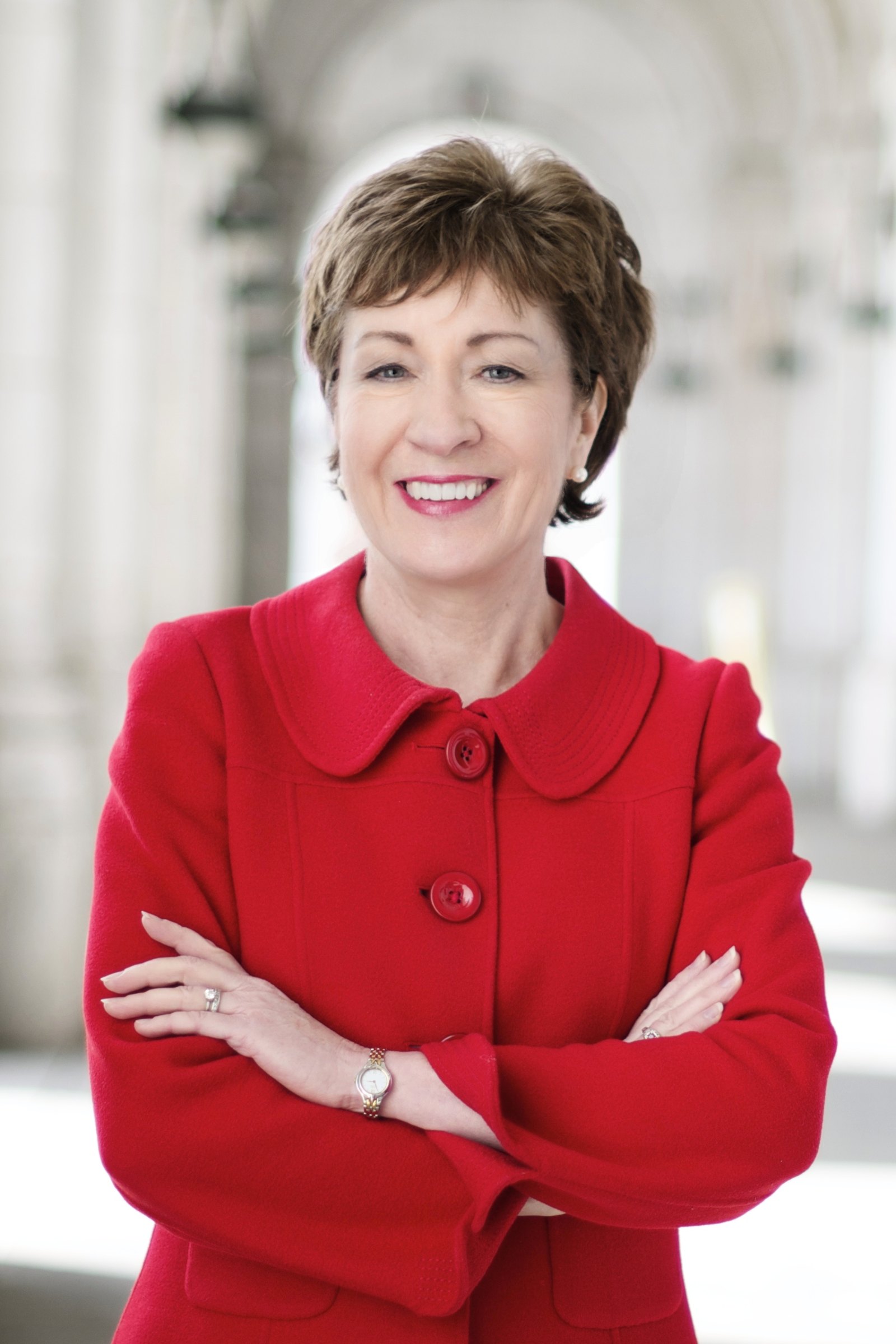
Maine's Senate race between Republican incumbent Susan Collins and Democrat Troy Jackson is shaping up as one of the most competitive of the midterms, and both campaigns are chasing the same decisive bloc: Maine women.
"Women voters in Maine are the majority of voters. And so you have to take them seriously," said Emily Cain, a Democrat, former state senator and the former executive director of EMILYs List, which backs women candidates who support abortion rights. Cain noted that independents make up almost a third of Maine voters, and that the majority of voters are older women. "So the people who decide statewide races are independents who are also a majority women," she said.
Jackson, a progressive former state senator, became the Democratic pick after Graham Platner dropped out last month over rape allegations, which he denies. Stacy Leafsong, a flower farmer in Belmont who hosted the first fundraiser for Platner's bid on her 89-acre farm, had denounced him before he withdrew, citing earlier reports about his behavior. A domestic violence survivor, she said she was upset watching Mainers stand by him.
"I know people are incredibly stressed, and I think people are really scared, so there's that explanation. But I also think that his campaign was incredibly toxic in a lot of ways," Leafsong said. She is now backing Jackson and hopes he can speak to women in the state. "Women's issues are much more than childcare and abortion," she said.
According to AdImpact, Republicans have already spent millions on ads seeking to link Platner to Jackson, seizing on reports that Jackson has a short temper. Jackson has never been accused of sexual violence toward women, but there have been accounts of shouting matches with colleagues during his time as a state lawmaker. He has apologized and says he has always tried to treat colleagues with respect.
The 2026 election is the first time Collins is on the ballot since Roe v. Wade was overturned. She has long described herself as pro-choice, but her 2018 vote was crucial in confirming Brett Kavanaugh to the Supreme Court. She said this summer she does not regret it: "Obviously, I'm disappointed in that decision, which turned abortion issues back to the states. It has not had an impact on the state of Maine."
Jackson, who entered politics opposing abortion rights before shifting left and voting to expand access, told Maine Public Radio last month: "I'm rock solid on this now, and Susan has been the opposite."
Other issues may come first for many voters. Diana Kushnar, a Republican running for state House, said women she meets are focused on high costs — housing, utility bills, raising a family and health care access. Kelli Brennan, a nurse and union leader, said, "I think, for women in Maine, what we need right now is somebody who understands the working class."
This article was produced with the assistance of artificial intelligence (AI), in accordance with our editorial policy.