US Air Defense Missile Stockpiles 'Extremely Low' After War With Iran
A Center for Strategic and International Studies analysis found Patriot stocks down by two-thirds and THAAD inventories cut roughly in half, a constraint analysts say will shape any new phase of the conflict.
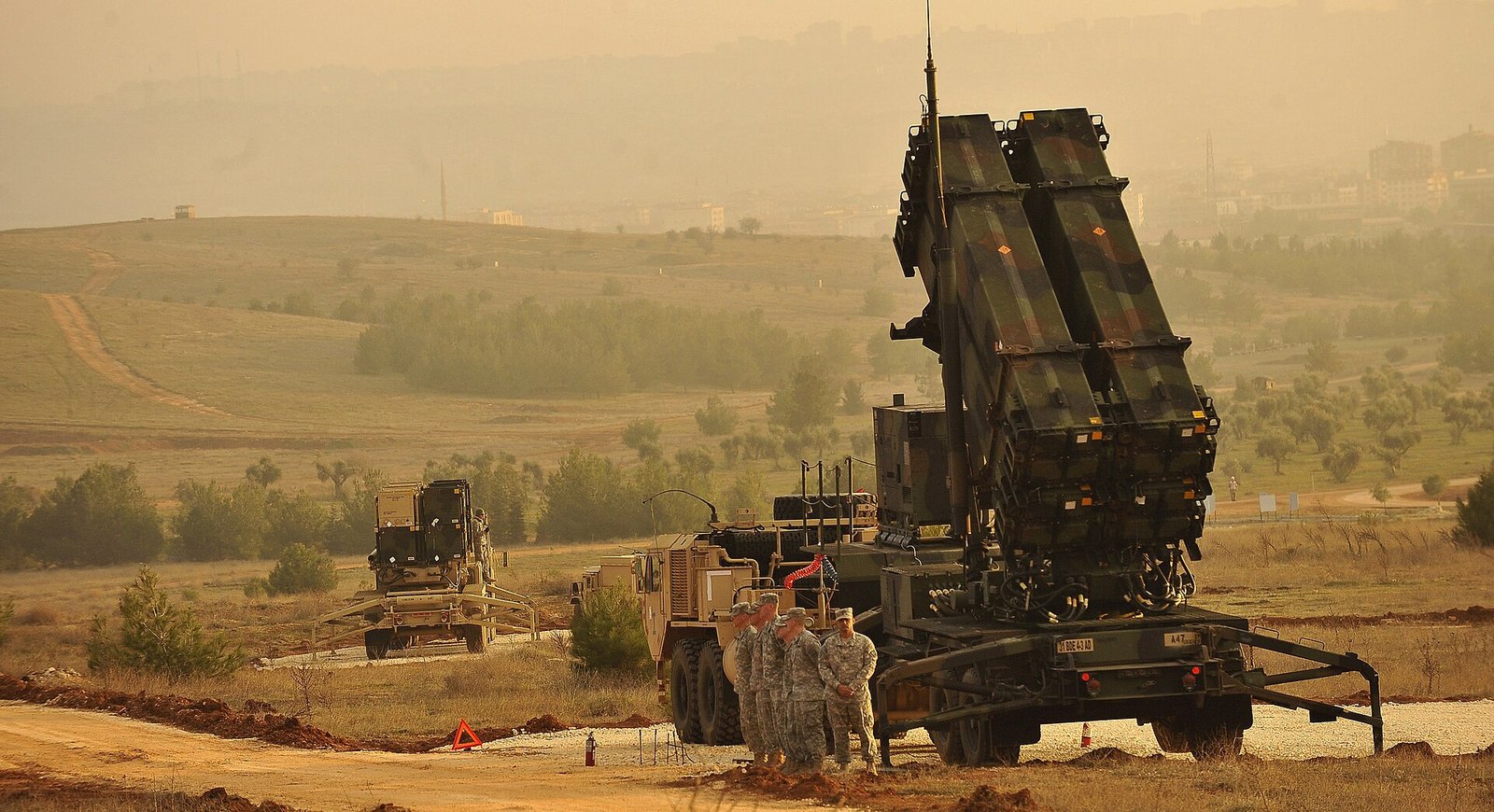
The war in Iran has drawn down American stocks of key air defense weapons, including ballistic missile interceptors, a potential constraint for President Donald Trump as he weighs whether to renew the conflict, officials and analysts told ABC News.
An analysis by the Center for Strategic and International Studies found that Patriot stockpiles have been depleted by two-thirds, and that the THAAD interceptor inventory, estimated at 452 before the war began, has been reduced by half. A U.S. official, who would not discuss numerical estimates, said both stockpiles "are extremely low."
The official said inventories of long-range offensive missiles such as ATACMS and the Precision Strike Missile were of particular concern. The war has been fought largely from safe distances or through air attacks. Each missile costs about $4 million and can take as long as two years to produce.
Trump said Thursday that "we need more all the time," but added that the United States has "certain types of munitions that are very powerful [of which] we have unlimited, virtually unlimited supply." He said, "We have others where it's a little bit tighter, and we're getting them in on a daily basis." It was not clear which munitions he meant.
The administration has played down the concerns, insisting the U.S. can keep fighting in the Middle East while helping defend Gulf allies that have come under Iranian fire.
Retired Vice Adm. Kevin Donegan, a former commander of the Navy's Fifth Fleet, said munitions "are certainly going to be in the calculus of decision-makers." He said the military had adapted well at layered air defense but warned, "You can't let your industrial base move or fall back to a place where it can only support you in peacetime."
Retired Marine Corps Col. Mark Cancian, who wrote the CSIS report, said munitions were likely "an element of the decision to pause the air campaign," though not the only one, and would remain a factor "for the next five years," given how long appropriations take to turn into weapons.
Both analysts said the U.S. retains the capability to escalate to full-scale war if Trump chooses. Cancian said the shortfalls raise a "China problem" should Washington face a conflict with Beijing, and both said China is closely watching how U.S. munitions are performing. Tom Karako, a senior fellow at CSIS, attributed part of the drawdown to a risk-averse approach by U.S. Central Command that relied on high-end standoff weapons.
This article was produced with the assistance of artificial intelligence (AI), in accordance with our editorial policy.