Two Datacenters Loom Over Little Rock, and Arkansas Law Bars Local Bans
A $1 billion Google project at the Port of Little Rock and a $6 billion Avaio development to the south have drawn bipartisan opposition, but a 2023 state law blocks cities and counties from banning datacenters outright.
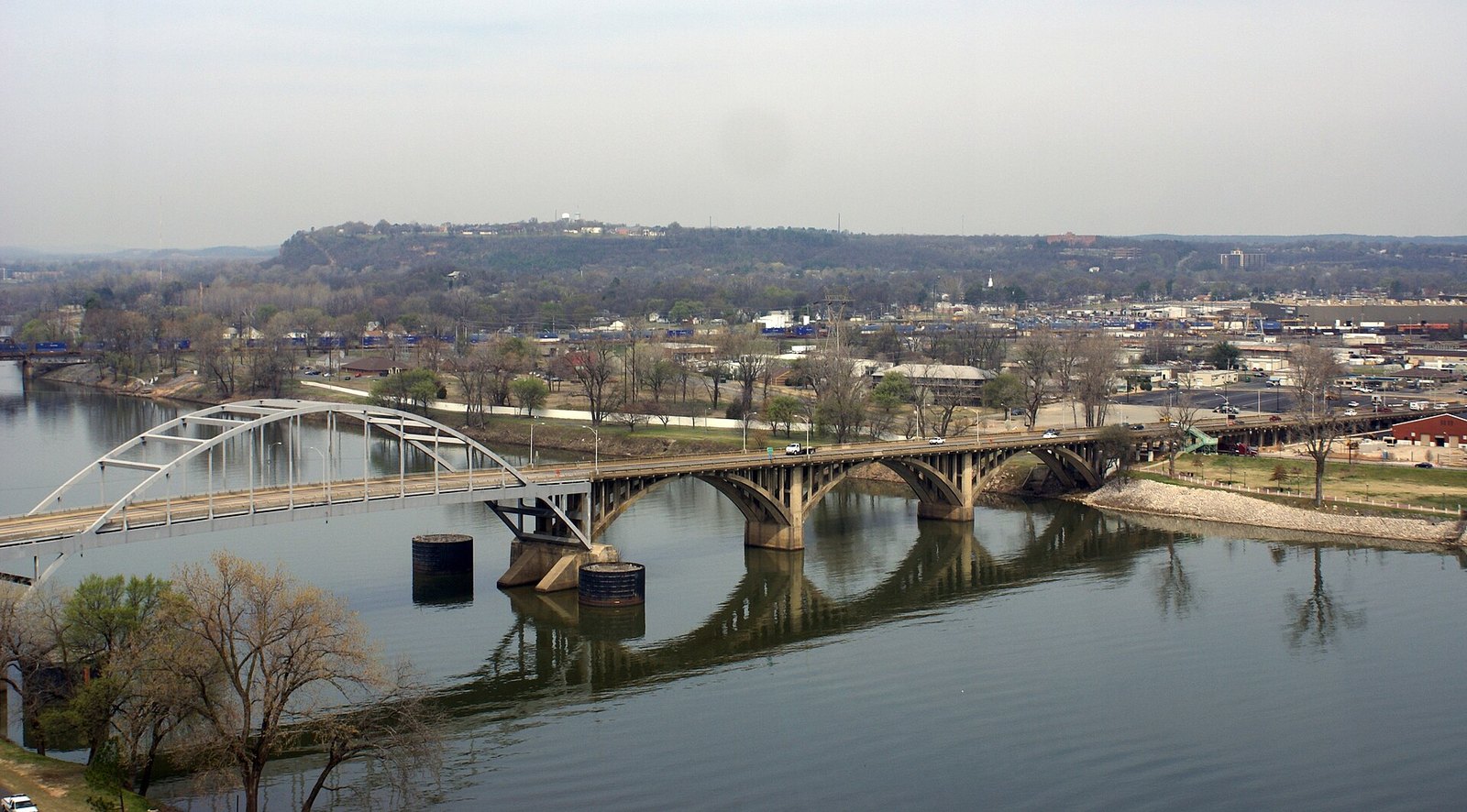
Two hyperscale datacenter proposals that surfaced in January in and around Little Rock, Arkansas, have provoked bipartisan opposition — even though a state law passed three years ago bars local governments from banning such projects.
Google plans a 1.43 million-square-foot, $1 billion datacenter on a 384-acre site at the Port of Little Rock. Ten miles south, in a rural, marshy stretch of unincorporated Pulaski County near Wrightsville, the developer Avaio has proposed a $6 billion project.
"I would say it's kind of the far left and the far right ran into each other and had a hug," said Mayor Frank Scott Jr. of Little Rock. "But they come at it from different perspectives."
Arkansas' Republican-controlled legislature passed a measure in 2023 that blocked local ordinances from banning datacenters. State Rep. David Whitaker, a Democrat from Washington County, said the language was close to accidental: the bill was aimed at crypto mining in rural areas, where operators "buy shipping containers and drop them off in the middle of the night out in a soybean field." The word "datacenters" was added in the definitions section. "Nobody was talking about these datacenters in 2023," he said.
Scott, who said he was at the state capitol while the bill was debated, said its inclusion now "seems very intentional to those involved." Cities and counties retain broad authority to regulate, if not prohibit, the facilities.
Scott, who faces re-election this year, said residents fear higher water and electricity costs. "They're going to use up all the water. They're going to increase all the electricity," he said, adding that many Arkansans worry about natural resources in what is nicknamed the Natural State.
Arkansas industrial customers pay 5 to 7 cents per kilowatt-hour, below the national average of 8.71 cents, according to the Energy Information Administration. A Pew Research analysis found three-quarters of planned US datacenters will be built in the South and Midwest, with the South alone accounting for nearly half.
Avaio, which did not respond to a request for comment, projects its initial 30-acre buildout would draw 150 megawatts — roughly the consumption of 100,000 homes. A second phase would require up to a gigawatt and about 4 million gallons of water a day. Google was also approached for comment.
Scott contrasted the reaction with West Memphis, where he said a Google project is welcomed alongside $25 million for workforce development and impact funds.
Near the Wrightsville site, activists have handed out fliers urging neighbors to object at the county quorum court, and a recent hearing packed the chamber. "Our government, who we choose to have represent us, can't say no, regardless, even though we would want them to say no," said Gale Jefferson, who lives nearby on land held by her family for generations. Much of the surrounding land is heir property, she said, leaving few residents to organize — though the community, she added, needs jobs.
This article was produced with the assistance of artificial intelligence (AI), in accordance with our editorial policy.