Report Details Extreme Conditions in Deaths of Four Wildland Firefighters
An initial report on the June 27 entrapment in Colorado shows crews facing 50 mph winds, zero visibility and fire behavior no helicopter could reach.
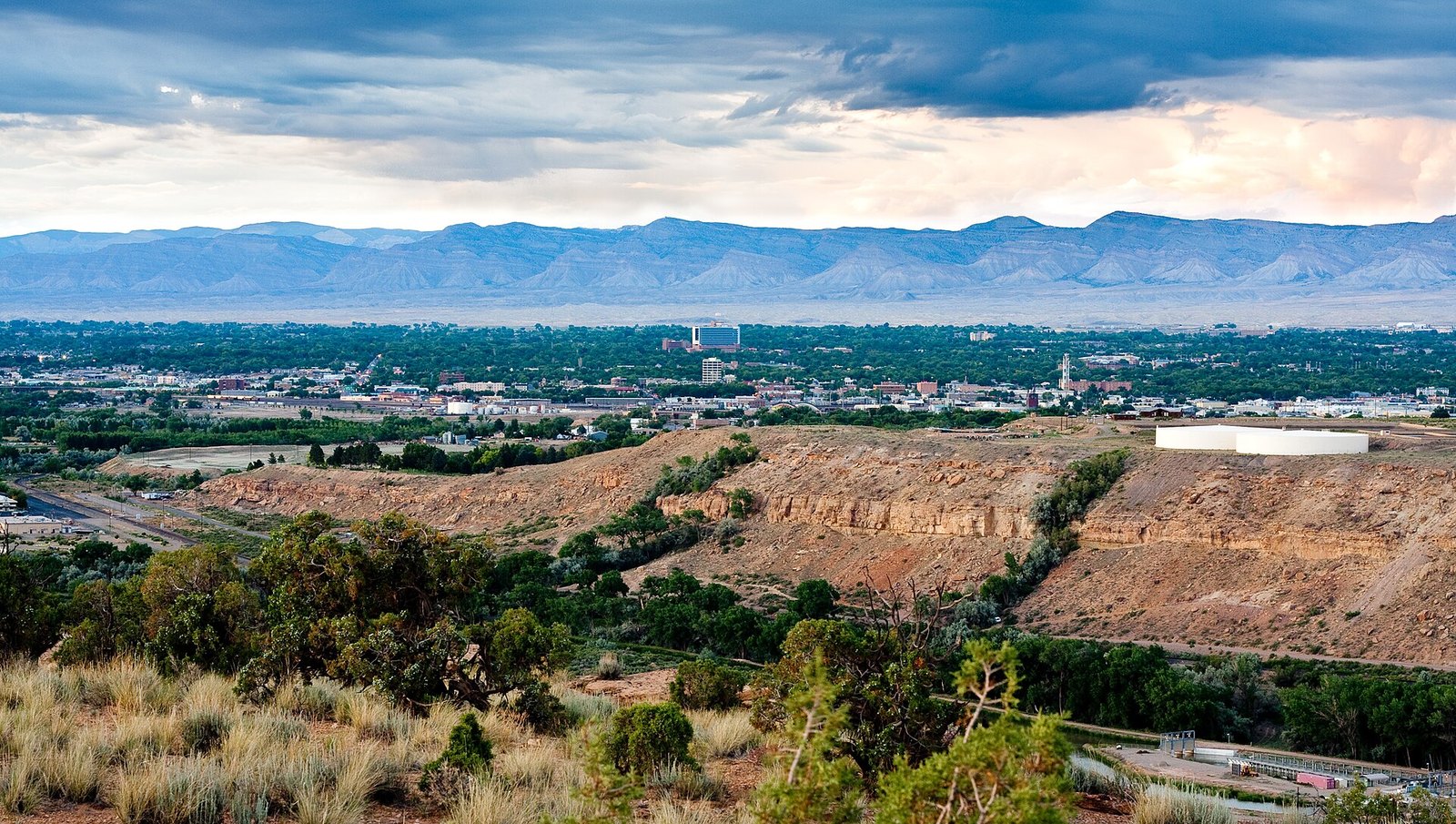
An initial report into the deaths of wildland firefighters on the Colorado-Utah border in late June describes extreme winds, bone-dry fuels and blinding smoke that left a rescue helicopter unable to land, NPR reported.
On June 27, members of the Rifle Interagency Helitack Crew — a specialized team that responds to fires by helicopter, often rappelling to the fireline — worked two fires in rugged red rock country. Winds gusted beyond 50 miles per hour at times.
Shortly after 12:30 p.m., according to the report, a new blaze "exhibiting extreme fire behavior" was spotted. Just before 3 p.m., the crew reported flames near their position. Ten minutes later a helicopter was en route, but thick blowing smoke had cut visibility to almost zero and the pilot could not land.
At 3:19 p.m., five firefighters deployed their fire shelters — bivouac-like sacks with an aluminum outer layer that reflects radiant heat. Three died at the scene. Two were evacuated with serious burn injuries, and one of them, Nathan Matthews, died on July 24, raising the toll to four.
Friends, family and colleagues gathered in Grand Junction, Colorado, on July 5 to honor Helitack Squad Leader Emily Barker, 38, and crew members Nicholas Hutcherson, 27, and Sydney Watson, 27.
U.S. Wildland Fire Service Chief Brian Fennessy said the three "represent the very best the wildland fire community has to offer." He said Hutcherson was an active member of the Northern Arizona Deaf and American Sign Language community, Watson was an enthusiastic solo backpacker who wanted to see more women on the male-dominated fireline, and Barker played defense for the Down Valley Divas in Vail's women's hockey scene.
The deaths came during a season shaped by historically low snowpacks and a record-shattering spring heat wave, worsened by human-caused climate change. Helicopter pilot Nicholas Dale was also killed in Colorado in July, and firefighters have been burned in Washington, Oregon and California.
"We're trying to figure out if we knew them. We're trying to figure out if it's somebody that we loved," said Riva Duncan, president of the advocacy group Grassroots Wildland Firefighters.
Duncan said the January creation of the U.S. Wildland Fire Service, housed in the Interior Department, has been a distraction. Interior Secretary Doug Burgum said the "default" should be direct attack — working at the edge of fires. Duncan called that dangerous in extreme conditions and "a level of micromanagement that is really concerning," saying the choice between direct and indirect attack belongs to the incident commander on the ground.
Andy Jones, of a U.S. Forest Service helitack crew in northern Utah, told NPR the news was "a huge gut punch, because the fire world is small." He said colleagues began texting him: "Hey, you're going to hear something soon. I'm OK."
This article was produced with the assistance of artificial intelligence (AI), in accordance with our editorial policy.