Kiyoshi Kurosawa's First Samurai Film Opens in US Theaters
"The Samurai and the Prisoner," from the Japanese director known as a master of horror, opens July 31 in New York and Los Angeles before expanding to other major cities in August.
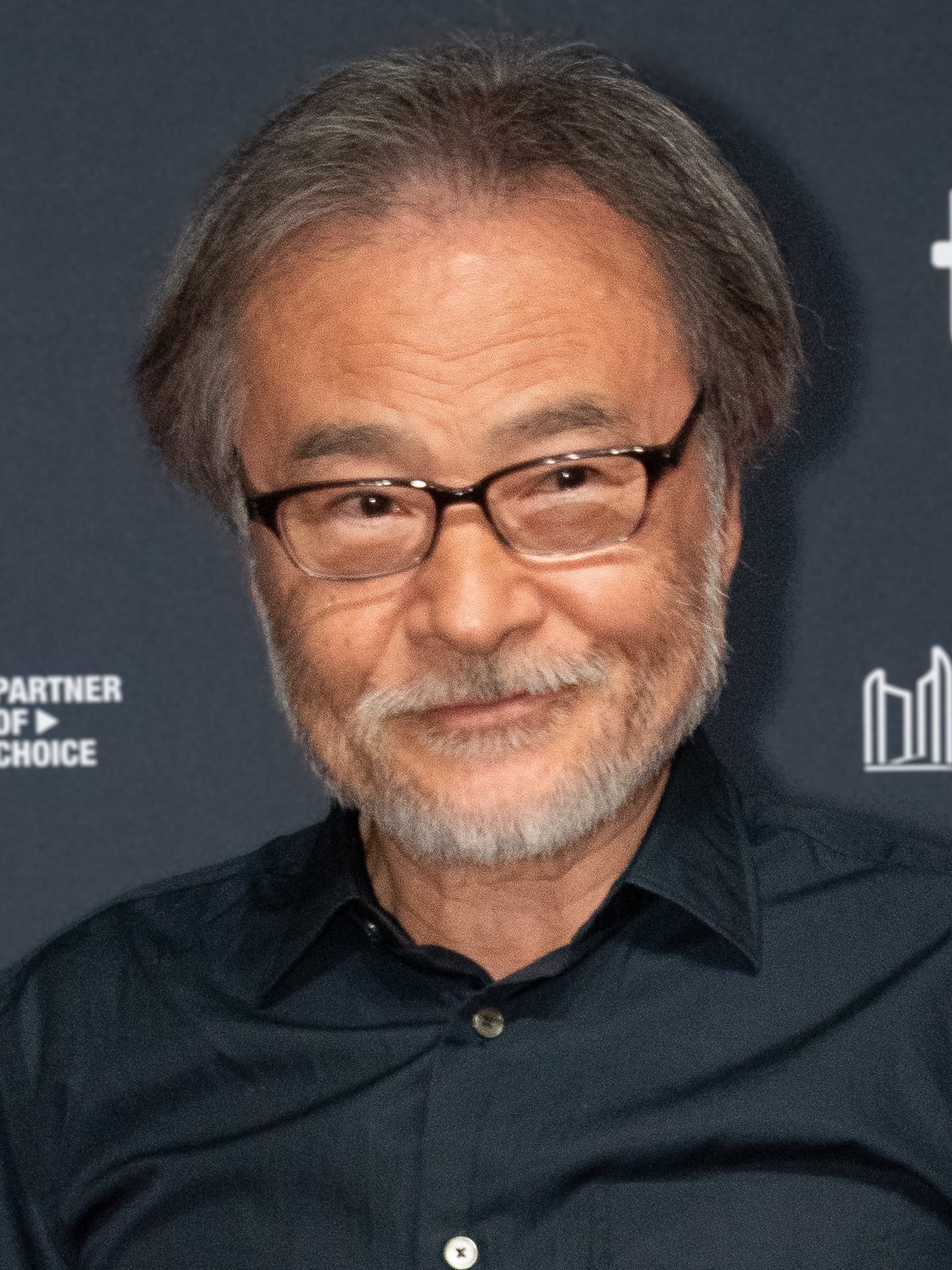
Kiyoshi Kurosawa, the Japanese director long known as "the master of horror," says he was nervous about how audiences would receive his first samurai film. He needn't have worried.
"The Samurai and the Prisoner" opens July 31 in New York and Los Angeles, followed by a rollout in major U.S. cities through August. The film drew an enthusiastic response when it premiered at the Cannes Film Festival in May, and judging by its reception in Japan, where it opened earlier this year, it is turning out to be Kurosawa's most popular film to date.
That is a notable claim for a director with dozens of respected works to his name, including "Wife of a Spy," which won the Silver Lion at the 2020 Venice Film Festival, and "Tokyo Sonata," his 2008 film about family conflict that won the Un Certain Regard Jury Prize at Cannes.
"Filmmaking remains a mystery for me," Kurosawa told The Associated Press in a recent online interview from New York. He described the work as a complex undertaking that requires bringing together the real world — what is being filmed — and what is not real, the story that must be depicted. "I don't understand it. And that's why I keep making films," he said.
His earlier films, such as the 1997 thriller "Cure," starring Koji Yakusho as a detective chasing a serial killer, are driven by an unsettling creepiness that unfolds in mundane surroundings. The samurai genre, he said, already presupposes a fictitious, otherworldly place where everyday normalcy does not exist.
The new film centers on a rivalry between warlords. "There is, first of all, power. A feudalistic society is built on a hierarchical relationship of those at the top and those at the bottom. Then there's betrayal," Kurosawa said. "People try to grab power, and in so doing get thrown into confusion. That exists in any society, historically and perhaps even today."
Kurosawa said he did not know what to expect, starting with basics such as how to direct actors' line delivery, since the genre offered no predefined parameters. Many Japanese viewers now find the old-style samurai form, known as "jidaigeki," as unfamiliar as Western audiences do. But the sets, costumes, props, wigs and makeup worked together, he said, and he was able to shoot in old temples and castles in Kyoto.
He kept his trademark long shots and close, almost claustrophobic dialogue scenes. The film also includes wide shots of armored warriors on a hilltop, evocative of "Ran" and "Kagemusha" by Akira Kurosawa, who is not related to him.
Kurosawa said the shoot was enjoyable enough that he would like to make another samurai film, with more elaborate sword fights in the vein of the "Zatoichi" series of the 1960s and 1970s. He also wants to try new genres, perhaps a musical, and promised to keep making horror films.
"A scary thing generally doesn't happen every five minutes in my films," he said. "But if that's OK, then I'd like to make my film."
This article was produced with the assistance of artificial intelligence (AI), in accordance with our editorial policy.