ICE Will Release Body Camera Video Only When It Serves the Agency's 'Best Interests'
Immigration and Customs Enforcement says all field officers will have body cameras by the end of September, but its policy gives the director broad power to withhold footage.
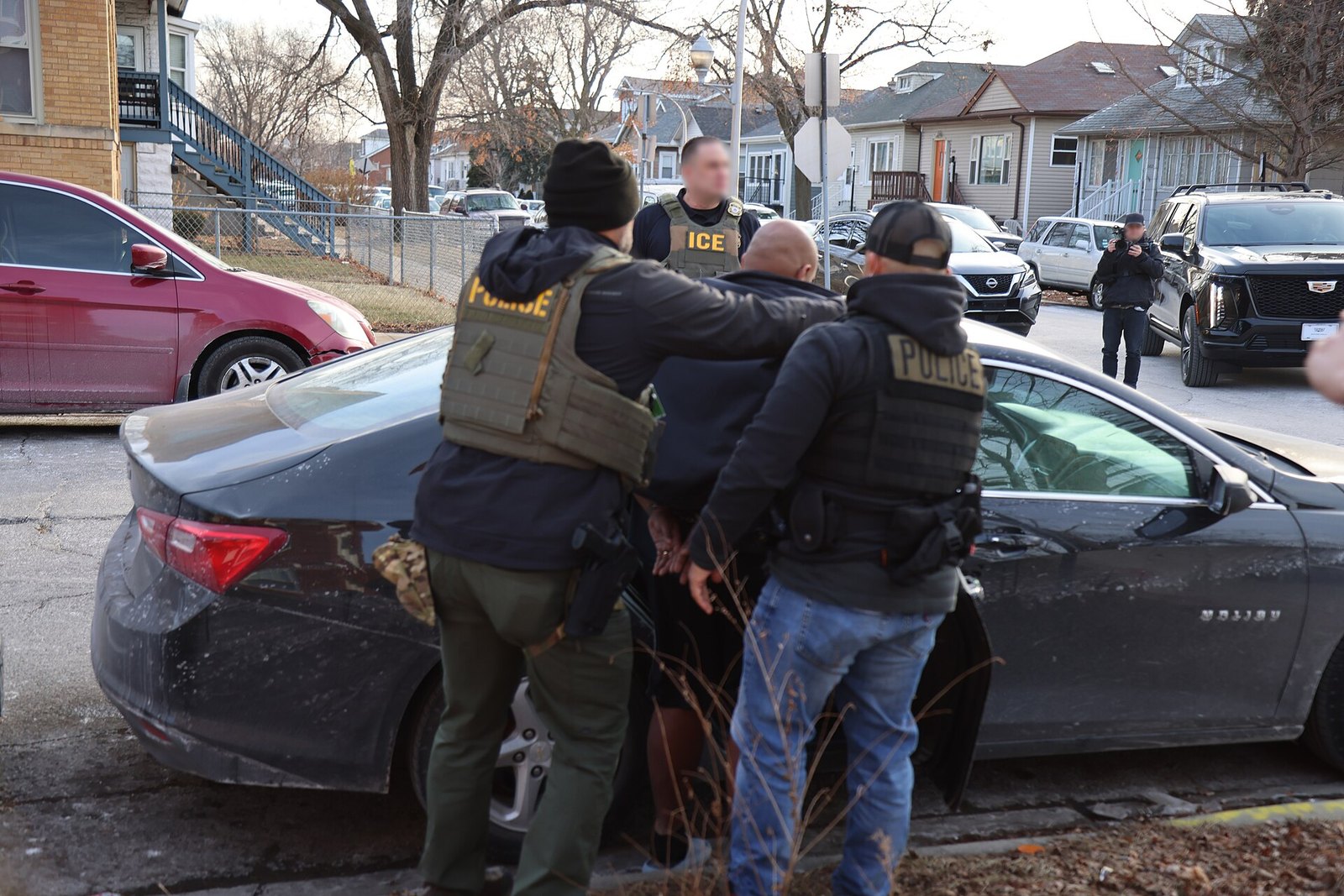
Immigration and Customs Enforcement is moving to equip its officers with body cameras within the next two months, but the agency's policy gives it broad control over what the public will ever see — specifying that any release must be in ICE's "best interests."
After years of delays, ICE said field officers nationwide will have body-worn cameras by the end of September. The rollout follows recent fatal shootings by officers enforcing President Donald Trump's immigration crackdown, which intensified pressure for the kind of accountability cameras can provide.
Under the policy, issued in February 2025, ICE will promptly release video of shootings and other encounters in which agents cause death or serious injury only after determining that doing so "is in the best interests of the agency." A committee of senior ICE officials and lawyers will review footage and recommend whether to release it, potentially within 72 hours. But if the director finds "specific and compelling circumstances," they may block or indefinitely delay release. The policy does not spell out what those circumstances are, and ICE did not respond to a question from The Associated Press about how such decisions would be made.
Christopher Schneider, a professor at Brandon University in Canada and co-author of "Police Body-Worn Cameras: Media and the New Discourse of Police Reform," said selective releases are routine at some agencies but rarely written so plainly into policy. "In some ways, ICE is saying the quiet part out loud," he said. "Body-worn cameras are being used as contemporary image-work tools to present the police to the public in the most favorable way possible."
The policy requires officers to activate cameras during arrests, search warrants and emergency responses. Released footage must have all officers' identifying features redacted, including faces, names and badge numbers.
ICE spent $30.9 million in July on equipment from Axon, the Arizona company that also makes Tasers, federal spending records show. The purchase began one day after an ICE officer fatally shot a 25-year-old motorist in Maine; days earlier, another officer shot and killed a homebuilder driving to work in Houston. Neither shooting was recorded on body camera, angering members of Congress who had appropriated $20 million for cameras in a bill ending a partial government shutdown on April 30.
More than half of field officers have received cameras, ICE said. The timeline slips past earlier estimates: Sen. Susan Collins, R-Maine, said last month the agency told her deployment would be complete by the end of August. Rep. Henry Cuellar, D-Texas, said officers in the Houston area, which received more than 800 cameras, have begun training. At least one member of every arrest team will be required to carry one.
"I think the American people need to see what that officer sees and hears," White House border czar Tom Homan said July 19 on CBS News' "Face the Nation." "And if you look at the data, body cameras actually exonerate agents more than they, you know, provide evidence of wrongdoing."
Practices vary widely. A Chicago watchdog agency routinely releases use-of-force video within 60 days; Philadelphia's police department rarely does and has no policy for it. Schneider noted that Customs and Border Protection has not released footage of the January shooting of Alex Pretti in Minneapolis, though agents' cameras captured it. CBP Commissioner Rodney Scott told lawmakers in February the material was under investigation and would be released "when it's appropriate."
ICE began testing body cameras in 2021, under President Joe Biden.
This article was produced with the assistance of artificial intelligence (AI), in accordance with our editorial policy.