Economist: Flexibility Key to Keeping Women in Workforce
University of Michigan economist Betsey Stevenson says remote and flexible work arrangements help explain recent shifts in women's labor force participation.
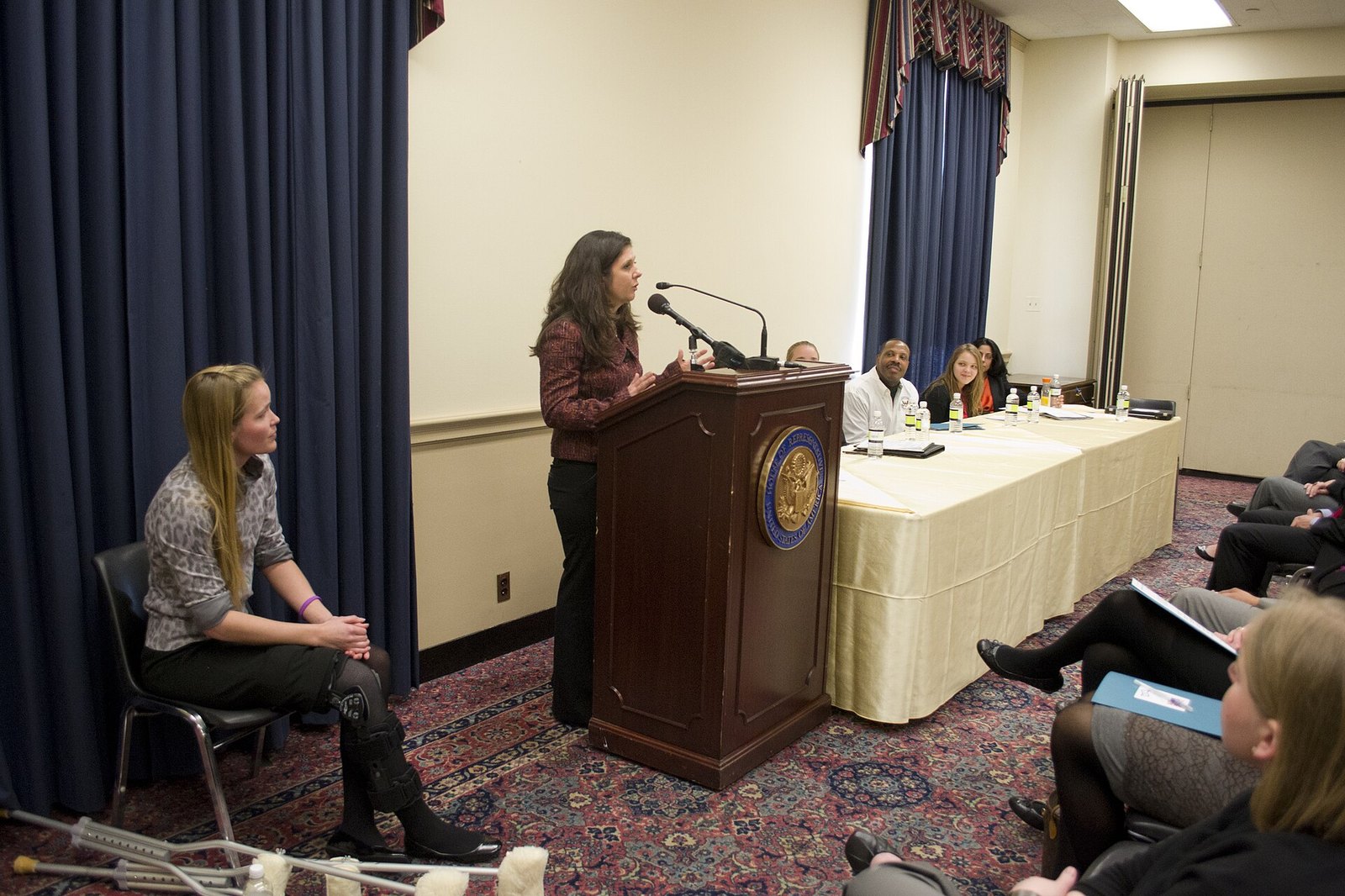
Women's participation in the U.S. labor force has been declining after reaching record highs, according to government data, prompting questions about whether the shift reflects a temporary dip or a deeper trend.
Betsey Stevenson, a professor of economics and public policy at the University of Michigan, told NPR's Juana Summers that the recent decline follows the highest labor force participation rate on record for "prime age" women — those between 25 and 54 — and cautioned against reading too much into short-term data.
"The survey is quite noisy. It's not that many people," Stevenson said, adding that longer-term trends in 2025 still showed "really optimistic growth" in women's labor force participation.
Stevenson noted that some female-dominated sectors, including education and government, have seen job cuts, while childcare costs remain high. She said women who can't find work tend to leave the labor force altogether rather than remain unemployed, unlike men, who are more likely to stay in the labor force while unemployed.
Asked about employers scaling back the flexible and remote work arrangements that became common during the pandemic, Stevenson said the shift will disproportionately affect women, who were more likely than men to seek flexible arrangements even before the pandemic to balance work with caregiving responsibilities.
She said the rise of remote work helped draw college-educated women with young children into the workforce, and, more significantly, helped keep them there. "It removes some of the burdens and stresses," she said, even a few days of remote work per week can reduce women's exits from jobs when they face childcare or family challenges.
On whether women are choosing to leave the workforce or being pushed out, Stevenson said the two forces are intertwined, comparing it to the blades of a pair of scissors. She said the underlying issue is a labor market that isn't generating enough opportunities to keep as many women working as a year ago.
This article was produced with the assistance of artificial intelligence (AI), in accordance with our editorial policy.