Extreme Heat Is Quietly Becoming an Air Travel Problem
Thinner hot air makes it harder for planes to take off, and researchers say weight restrictions and delays could become far more common.
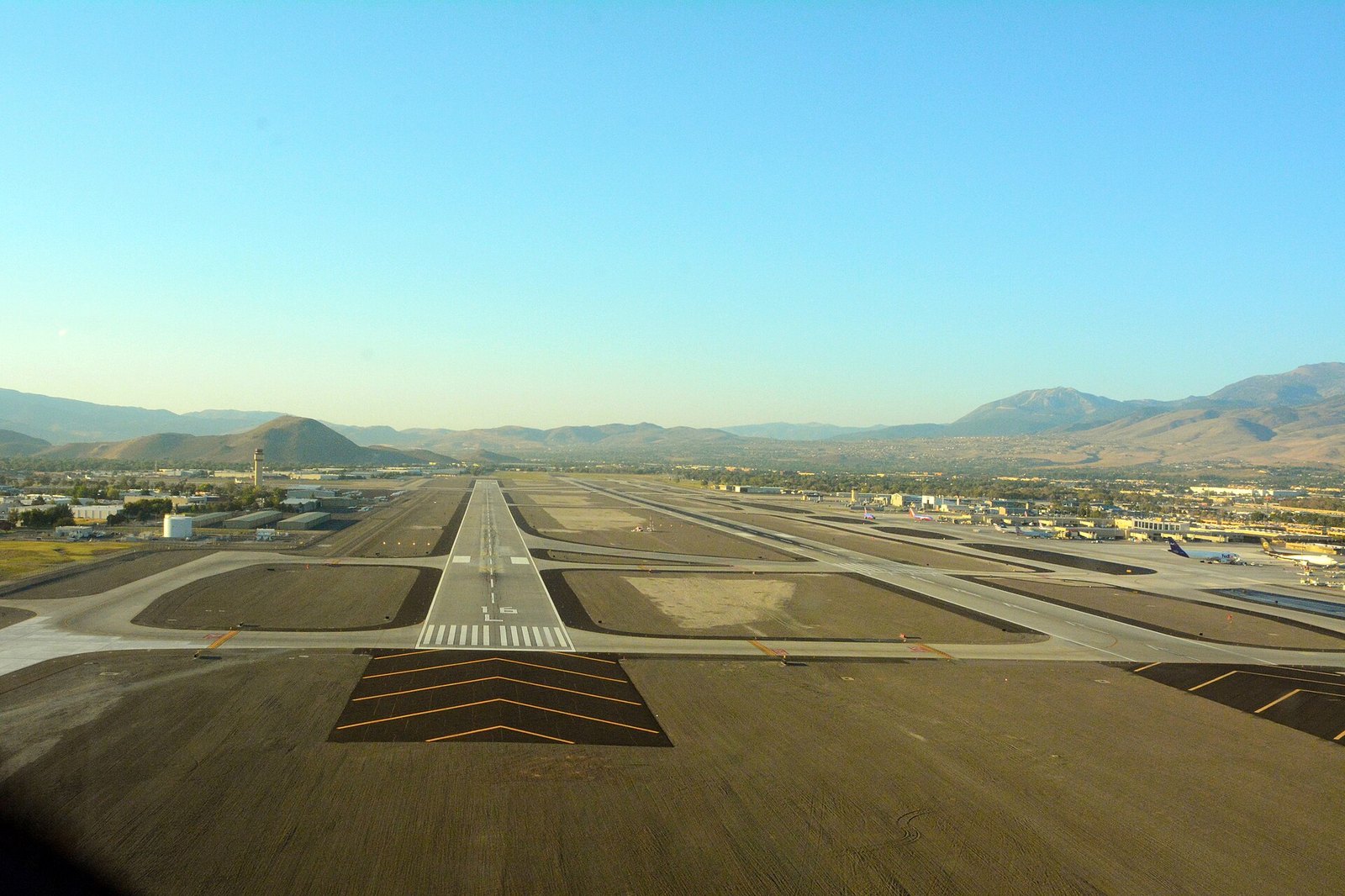
Airline passengers watch the forecast for thunderstorms and snow. Increasingly, they may need to watch the thermometer too.
On the hottest days, thinner air makes it harder for aircraft to take off safely, and airlines may respond by removing cargo, carrying less fuel or asking passengers to give up their seats. American Airlines offered compensation to customers who voluntarily gave up seats on a July 24 flight from Harry Reid International Airport in Las Vegas after the temperature reached 114 degrees Fahrenheit (47 Celsius). The airline described reducing a plane's weight as standard industry practice in hot-weather destinations when conditions require it to ensure a safe takeoff.
The explanation is physics. Hot air is thinner than cool air, making it harder for wings to generate lift and for jet engines to produce thrust, said Ross Aimer, a retired United Airlines captain and chief executive of Aero Consulting Experts. "There is a science behind all this," Aimer said. "You can't deny the science of flight and what it takes for an airplane to operate."
Aimer compared the effect to athletes competing at altitude, noting that teams playing in Mexico City during this year's World Cup — more than 7,300 feet (2,225 meters) above sea level — contended with thin air that tires players faster. "Just like human beings, jet engines require lots of cool, dense air to perform well," he said.
Before every departure, pilots and airlines calculate the aircraft's weight, the airport's elevation and the outside temperature, said Alan Price, a retired Delta Air Lines captain. Airports at higher elevations, such as Denver, sit above 5,000 feet (1,524 meters) and are already operating in thinner air. Runway length matters too, which is one reason New York's LaGuardia and Washington's Reagan National can face weight limits in very hot weather.
The Federal Aviation Administration sets no single maximum takeoff temperature; limits vary by aircraft make and model, weight and airport altitude.
A 2017 study by researchers from Columbia University, NASA's Goddard Institute for Space Studies and the Logistics Management Institute projected that some airports could see weight restrictions on 10% to 30% of flights departing during the hottest part of the day by midcentury if greenhouse gas emissions kept rising. A more recent study found planes at four European airports would need to shed the weight equivalent of 10 passengers per flight by 2065.
An Associated Press analysis of weather station data found Phoenix Sky Harbor has averaged 43 days a year since 2020 at or above 110 F (43 C), more than triple the mid-20th-century average. Harry Reid averaged about 18 such days a year from 2020 to 2025. Palm Springs International Airport has averaged 55 days this decade, an 83% increase over the 2000s.
This article was produced with the assistance of artificial intelligence (AI), in accordance with our editorial policy.