Democratic Primary Results Show Voters Want Change, Not Ideology
Recent primary wins in Minnesota, Wisconsin and Connecticut reveal a Democratic electorate driven by demand for turnover rather than a clear left-center split.
Democratic voters across several states have sent a consistent message this month: they want change, regardless of ideology.
In Minnesota, Lt. Gov. Peggy Flanagan, backed by progressives including Sen. Bernie Sanders and Sen. Elizabeth Warren, decisively defeated centrist Rep. Angie Craig, who had support from House Democratic Leader Hakeem Jeffries and former Speaker Nancy Pelosi. Flanagan was significantly outspent but declared, "For months now, I have been telling you that this campaign was about the many versus the money. Well guess what? The many just won."
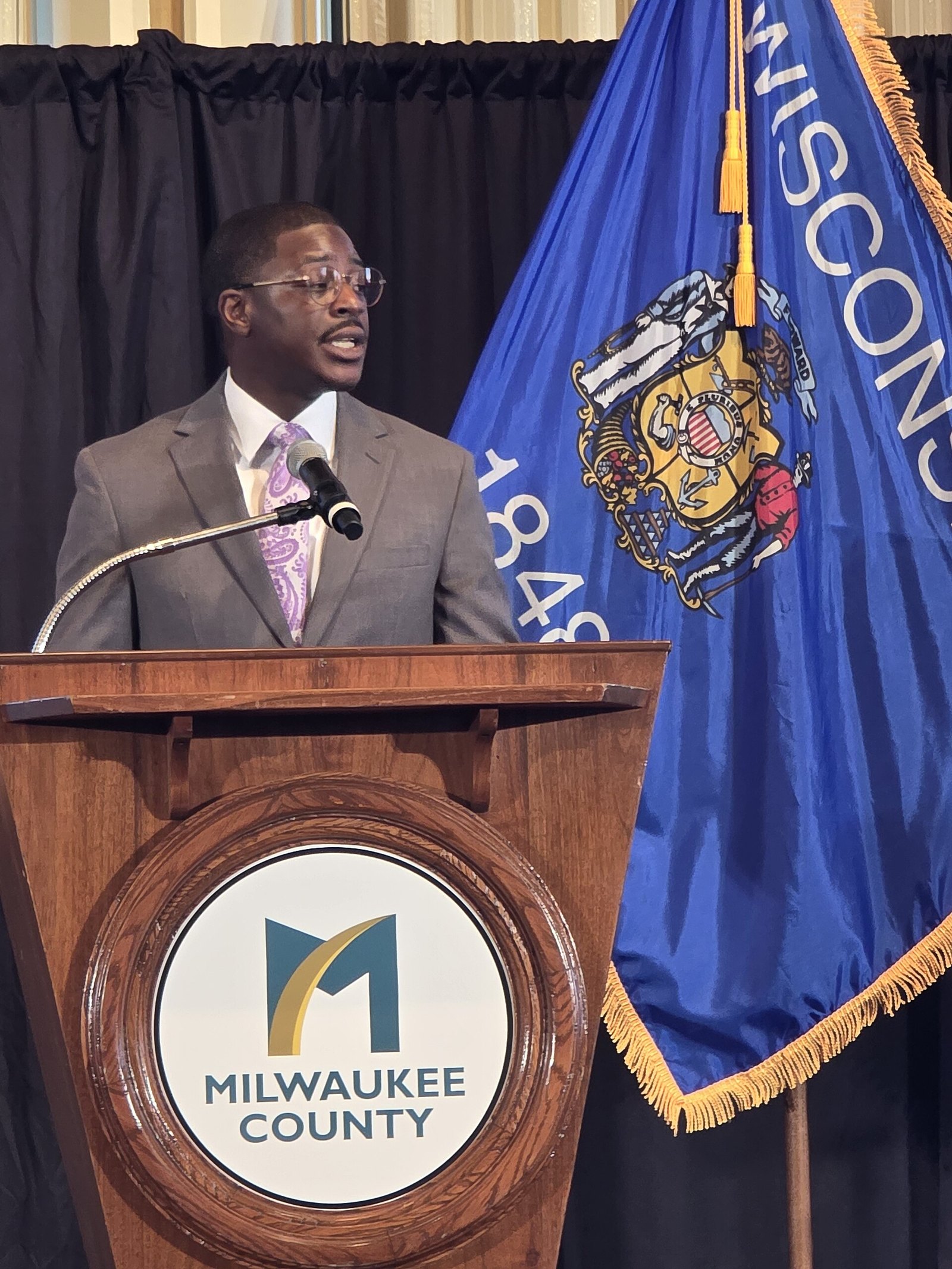
In Wisconsin, democratic socialist Francesca Hong narrowly lost the governor's primary to Milwaukee County Executive David Crowley, 40, a more moderate Democrat who reentered the race in its final weeks and won the backing of outgoing Gov. Tony Evers. Hong's past comments, including support for defunding the police, resurfaced during the campaign, and she lacked endorsements from prominent progressives like Sanders and Rep. Alexandria Ocasio-Cortez.
Voter Sarah Atkins Hoggatt, 61, said she agreed with Hong on issues like reproductive rights but worried her progressive label would hurt her chances against Republican Tom Tiffany. "I voted for someone who I think has a better chance," she said of her vote for Crowley. "I didn't vote my heart."
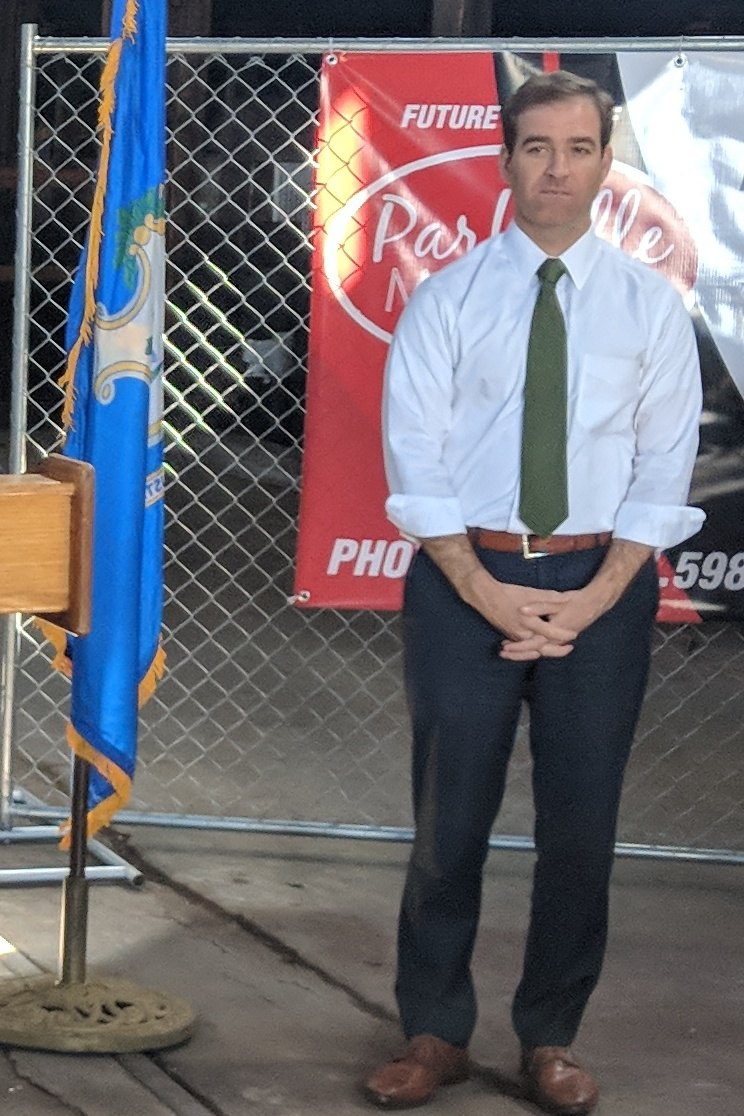
In Connecticut, former Hartford Mayor Luke Bronin, 47, defeated 14-term Rep. John Larson, 78, in a race centered on generational change. "If leaders in our party don't recognize that we need to make changes, then the changes are going to come from the ground up," Bronin said in his victory speech.
Larson became the seventh Democratic House incumbent to lose a primary this year. The pattern of losses spans ideological lines, making it difficult to characterize simply as a leftward shift. The push for generational turnover has intensified since 2024, when concerns about President Joe Biden's age ended his reelection bid.
Democrats now face the challenge of channeling this internal frustration into wins against Republicans in November, with 2028 presidential contenders watching closely as a new generation of leaders emerges within the party.
This article was produced with the assistance of artificial intelligence (AI), in accordance with our editorial policy.