California Adopts Strictest Home Landscaping Rules to Curb Wildfires
New state rules require homeowners in fire-prone areas to clear flammable vegetation within five feet of their houses, affecting nearly 2 million properties.
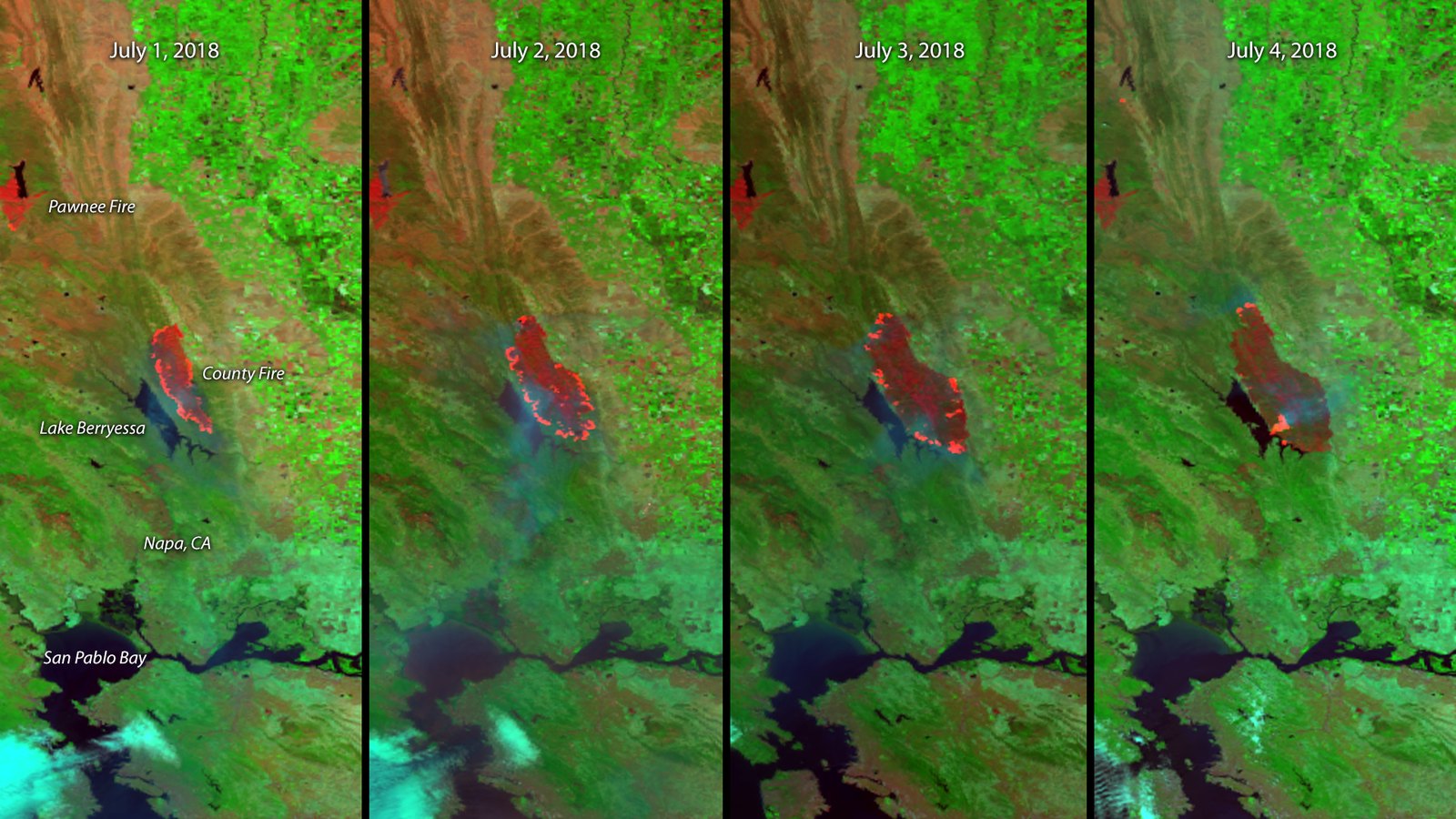
California has adopted the toughest wildfire-related landscaping rules in the country, requiring homeowners in fire-prone areas to limit vegetation within five feet of their houses. The California Board of Forestry and Fire Protection approved the rules Wednesday after years of debate.
Research shows dry, dense vegetation near buildings helps wildfires spread. During extreme conditions, high winds can carry burning embers far from the main fire; when embers land in vegetation near a home, they can ignite and spread flames to the structure and neighboring buildings.
Regulators initially considered banning nearly all vegetation within the five-foot buffer, known as Zone Zero, except for well-maintained trees. That proposal drew pushback from residents worried about losing garden greenery and facing high maintenance costs. The final rule is a compromise: lawns, flowers and non-woody plants up to 18 inches tall are allowed, unless located directly under a home's roofline. Trees are permitted, but branches must be trimmed to stay five feet from the structure.
The rules take effect immediately for new construction but will be phased in for existing homes, affecting nearly 2 million properties in high-risk areas. State officials say the changes reflect intensifying wildfires driven partly by climate change; more than 57,000 California homes and buildings have been destroyed in the past decade.
Yana Valachovic of the University of California Cooperative Extension, who advised the state on the rules, testified that wildfires have created "an existential crisis" affecting health and finances statewide.
Opposition emerged from some homeowners and community groups who argued the rules infringe on private property rights and impose steep costs. Dave Lefkowitz of the Mandeville Canyon Association testified the regulations would cost California homeowners "tens of billions of dollars." Similar vegetation rules were recently defeated in Oregon and Washington amid public pushback and misinformation.
Experts say even green vegetation can ignite under extreme wildfire conditions, and homes with plants within six feet of exterior walls face higher risk. For existing homes, the new rules will not take effect before 2029, and compliance will initially focus on education before enforcement by local fire departments and state inspectors becomes mandatory.
This article was produced with the assistance of artificial intelligence (AI), in accordance with our editorial policy.