Betting Markets Now Take Wagers on Cancer Drug Trials. Researchers Call It 'Ghastly.'
Kalshi and Polymarket are letting users bet on clinical trial outcomes and FDA approvals, drawing objections from patients' families and trial researchers who warn of tampering.
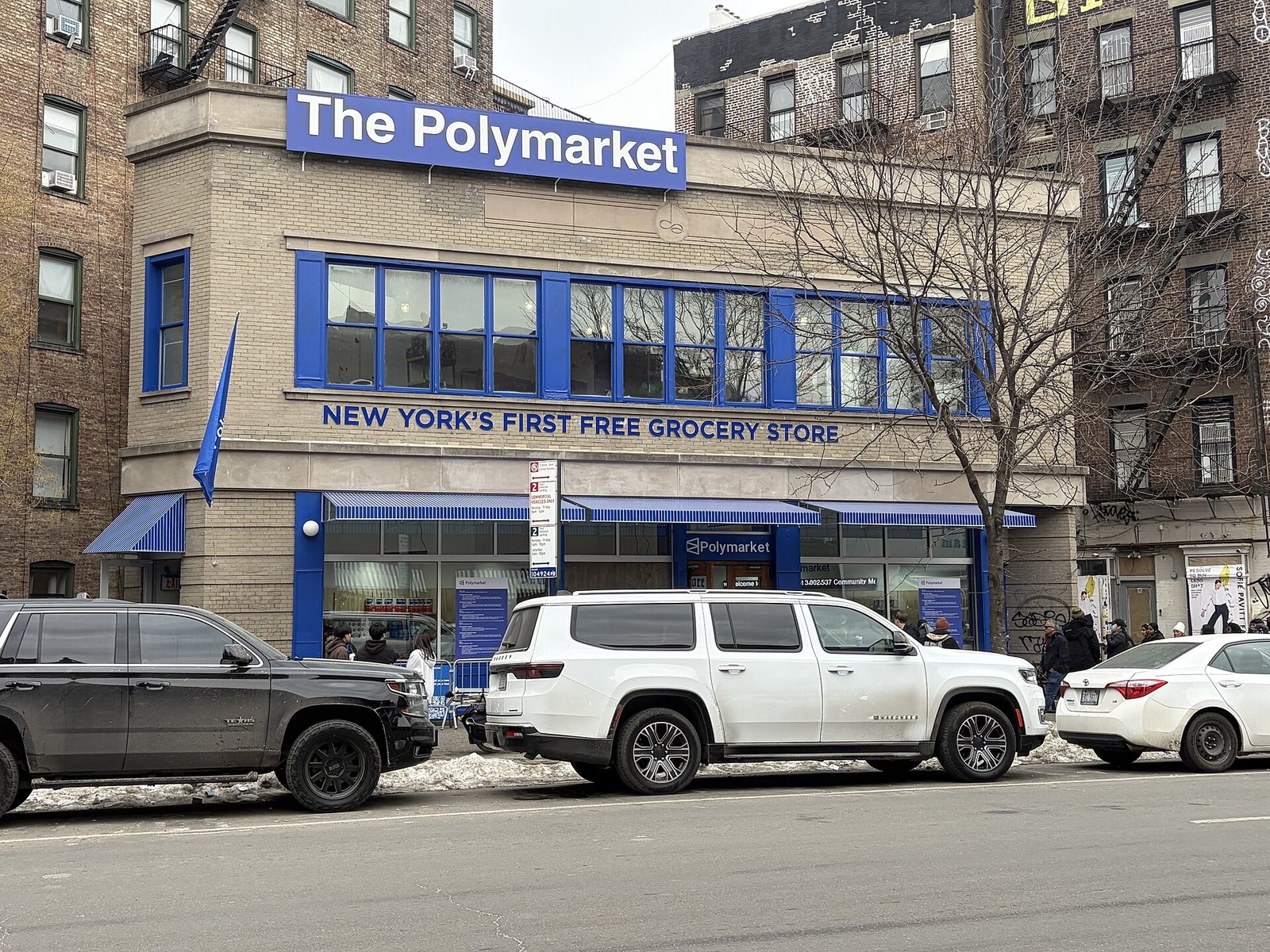
Prediction market platforms Kalshi and Polymarket have begun allowing users to bet on the outcomes of clinical trials and on whether the Food and Drug Administration will approve new medications, prompting objections from drug trial researchers and from families of patients enrolled in those trials.
On Kalshi, users can currently wager on whether a weight-loss medication and a breast cancer treatment will win federal approval, and on what date. Polymarket, which declined to comment, is taking bets on the approval of cancer treatments and on whether the United States will allow Chinese peptides to be sold to Americans.
Joshua Pederson, a humanities professor at Boston University, enrolled his 12-year-old son in a clinical trial for a novel treatment after the boy's cancer returned. He asked that his son's name be withheld to discuss the medical details. The child was declared cancer-free last summer following months of chemotherapy and radiation, but the disease came back months later.
"What seemed to be missed in the CEO statements was the fact that there were going to be patients on the other side of these bets," Pederson said. "A clinical trial failing is a more sanitized euphemism for, people are going to suffer, people are going to die, people are going to have one fewer clinical option available to them in one of the most difficult medical situations of their entire life."
Billions of dollars are traded each week on the lightly regulated platforms, where users bet on everything from movie reviews to elections to conflicts in the Middle East.
Kalshi argues the markets generate useful information about which drugs are likely to be approved. "If you want to ban profiting from the failure of clinical trials, you would start with the stock market, where the financial incentive for this type of profit is orders of magnitude larger," said company spokesman Jack Such, citing short sellers. "The stock market doesn't give any valuable information to researchers."
David Tsai, who runs clinical trials at a Bay Area biotech company, started an online petition seeking a ban, arguing the practice "threatens the very foundation of trust and integrity in biotechnology." He said a pharmacist holding a bet on an oncology infusion trial "could adjust the infusion rate" or other variables affecting results and patient safety.
Nicholas Zaorsky, a professor of radiation oncology at the Mayo Clinic in Jacksonville, Florida, said investigators, coordinators and sometimes participants "can directly influence aspects of the outcomes being wagered on," creating "financial incentives that risk undermining trial integrity."
Kalshi says employment verification and surveillance tools will minimize insider trading. Prediction markets have previously helped identify insider traders, including President Trump's teleprompter operator, former Rep. George Santos and a special forces soldier betting on military intelligence about the toppling of Venezuelan leader Nicolás Maduro. Anne Wojcicki, founder of 23andMe, has vouched for the markets; a Kalshi-sponsored white paper called an "open, transparent dataset about trial probabilities" empowering for patients.
Tsai said the sheer number of people involved in trials makes catching every bad actor difficult.
This article was produced with the assistance of artificial intelligence (AI), in accordance with our editorial policy.