Study: 89% of Avocado Oil Foods Tested Contained Other Oils
NPR's Planet Money newsletter uses a UC Davis analysis of 54 products to explain "healthwashing" — the marketing of ordinary food as healthier, at a premium price.
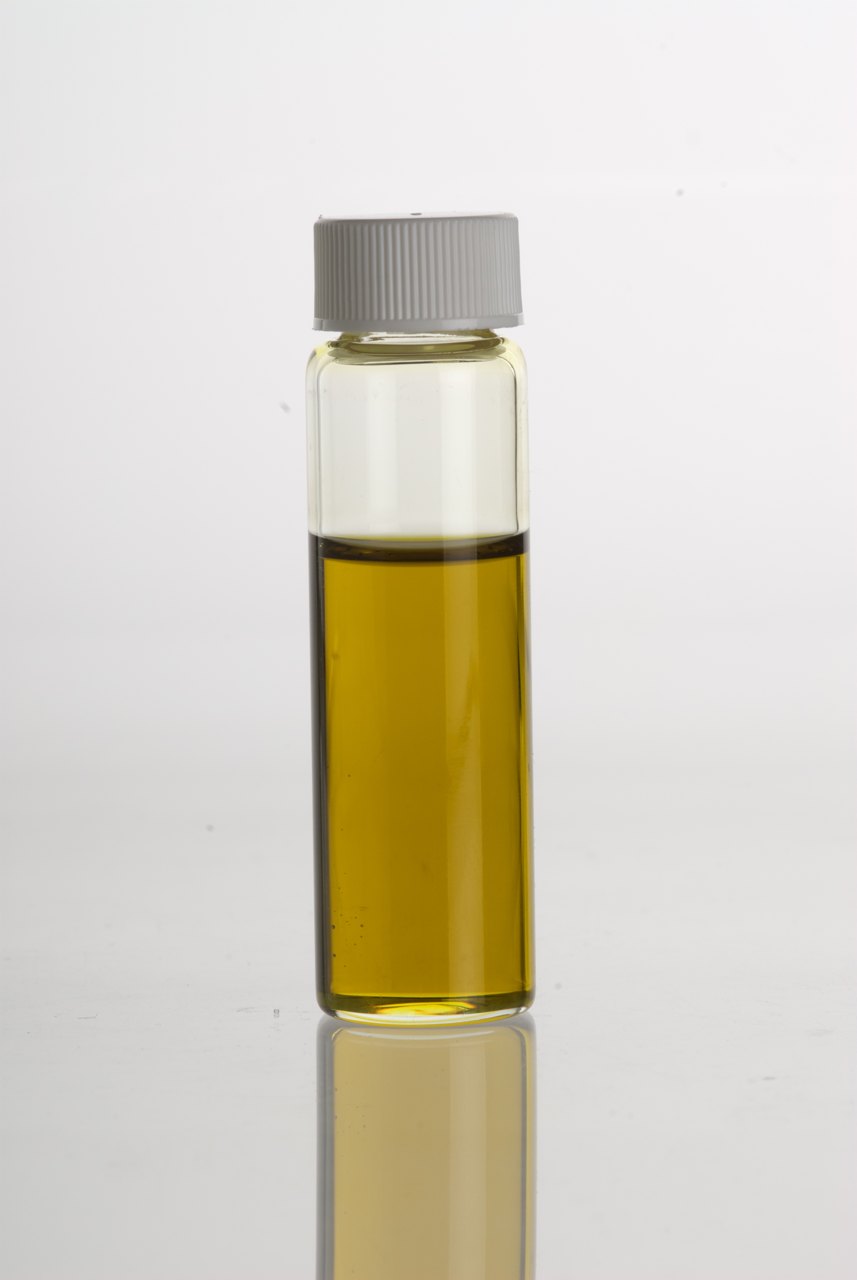
Researchers at the University of California, Davis chemically analyzed 54 food products that listed avocado oil as their only oil ingredient and found that 89% of them appeared to be adulterated with other oils, according to a study described in NPR's Planet Money newsletter.
One product appeared to contain no avocado oil at all, one of the researchers said. The items tested included premium goods such as avocado-oil potato chips, salad dressing and mayonnaise. The findings were previously reported by NPR's Maria Godoy.
If a product lists avocado oil as its only oil ingredient but actually contains other oils, that could violate federal food-labeling rules, the newsletter noted. The study did not determine who introduced the other oils, or whether the brands knew about them.
Planet Money framed the case as an extreme example of a broader practice that consumer advocates call "healthwashing": nudging shoppers toward believing a product is healthier — and worth a higher price — through buzzwords, packaging and other marketing.
Many products carrying labels such as "organic," "non-GMO," "high protein" or "no cholesterol" are still packed with sugar, salt, saturated fat, preservatives and other additives, the newsletter said. Labels like "organic" and "non-GMO" do not necessarily make a product more nutritious.
The economics, the newsletter argued, rest on what economists call asymmetric information — when one side of a transaction knows less than the other. Shoppers rarely know exactly what is in packaged food, which creates room for businesses to mislead and overcharge, much as with a dishonest mechanic or used-car dealer. That information gap is a standard justification for government intervention, and is why federal rules require most packaged foods to disclose ingredients and nutrition information.
Because consumers do not have hours to decode labels, they rely on mental shortcuts and the front of the package. Behavioral economists call the result the "health halo effect": a single healthy-sounding claim or image can make a product seem better for you overall than it is.
Healthwashing may also serve as a pricing strategy, the newsletter said. Shoppers with more disposable income are often willing to pay more for food that seems healthier, even when it is not, and health-coded labels help companies reach them.
This article was produced with the assistance of artificial intelligence (AI), in accordance with our editorial policy.